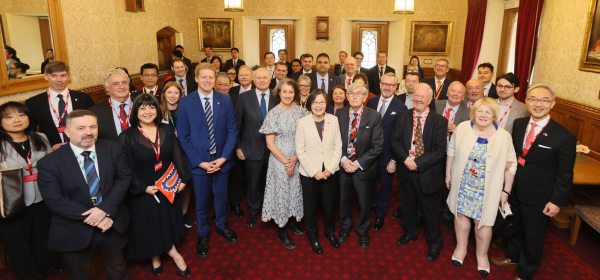
The 114th Double-Tenth Day on NATO’s Eastern Flank: A Celebration of What Never Was

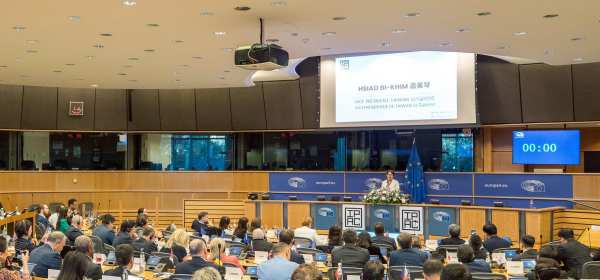
Written by Chien, Hung-yi. This article reflects on a National Day reception hosted by Taiwan’s representative office in a NATO member state on its eastern flank. Answering the question of what happened in Taiwan 114 years ago highlights two national-historical narratives of Taiwan. The author believes a Taiwan-centred view aligns more closely with lived reality and explains Taiwan’s complicated history to international friends.

Taiwan’s Arctic Imperative: Navigating a New Global Frontier

Written by Aileen A. Espiritu, Marc Lanteigne, and Tse-Kang Leng. This article argues that Taiwan should construct a clear, multifaceted Arctic policy to safeguard its future prosperity and strengthen the country’s international standing. It outlines multiple areas where Taiwan can contribute and benefit, including trade, climate, science, diplomacy, Indigenous communities and geopolitics. An inclusive Arctic policy is not distant curiosity but a strategic aspiration.

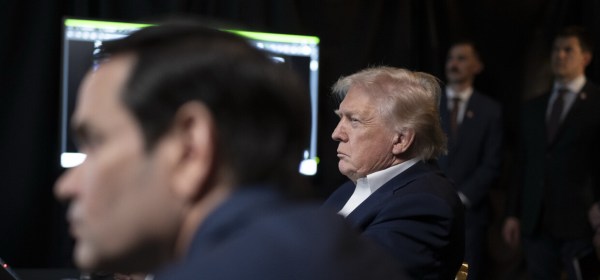
Hopeful Reset or Regression? Cheng Li-wun through the eyes of younger Taiwanese

Written by Aleksandrs Gross. This article examines Cheng Li-wun’s leadership through the eyes of the younger generation. Not only did her statements on identity and Taiwan’s future fail to resonate with younger people, but she also failed to address livelihood issues such as high housing prices, inflation and employment pressure, which are seen as the most critical issues for younger Taiwanese.

Cheng Li-wun’s Victory: A New Chair for an Old Party

Written By Paula Perez. This article analyses the promises and positions of Cheng Li-wun. It argues that Cheng offers nothing new in terms of its identity claims and the 1992 Consensus and questions who is the audience Cheng is speaking to. However, she brings something other leadership candidates did not, personifying the redemption of a generation who she claims is misled by de-Sinicised education.

Cheng Li-wun: The Second Coming of Hung Hsiu-chu?

Written by Brian Hioe. This article compares the new KMT party chair Cheng Li-wun to Hung Hsiu-chu. Both made waves on the basis of their deep blue political leanings and hardline stance on advocating for unification. She already faces some internal pushback against her leadership, though it remains to be seen whether Cheng will follow Hung’s trajectory of falling from grace.

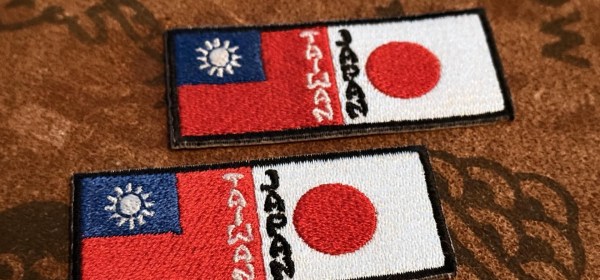
Eighty Years After the Battle of Okinawa, Thousands of Taiwan’s World War II Dead are Still Missing

Written by Bryn Thomas. This article interviews one of the thousands of Taiwanese who fought for Japan in the Battle of Okinawa. With at least 1000 Taiwanese troops took part and suffered a casualty rate of over 90% during the battle, the Okinawa Peace Memorial only listed 34 names of Taiwan’s war dead. The postwar political situation in Taiwan made it complex to honour these fallen soldiers.

Taiwan’s Forgotten War: WWII Survivors Remember US Bombing Raid On Taipei

Written by Bryn Thomas. This article remembers the survivors of the US bombing of Taipei in May 1945. Although the day was one of the deadliest in Taipei’s history, there are no public memorials to the Taipei Air Raid. In the 80 years since the war, a combination of political realities and dominant narratives has left it largely forgotten, except by those who lived through it. 

“From Empire to Republic”: Taiwan, WWII, and Making a History Docuseries

Written by Bryn Thomas. This article takes us behind the scenes in the creation of the From Empire to Republic docuseries of TaiwanPlus News and this special issue. Taiwan’s World War II history made it to the headlines time and again in 2025, including President Lai Ching-te marking the 80th VE day in May to Lai drawing parallels between current Taiwan and the 1930s’ democracies when commemorating the VJ day.

When Secrets Collapse: Implications of the China Spy Scandal on UK-Taiwan Relations

Written by Alexandra Whitehead. This article asks what the China spy scandal in the UK means for Taiwan and analyses both its opportunities and risks, including the need to reassess its relations with Beijing and to clarify its legal framework to match its political rhetoric. Putting them together, the case is unlikely to drastically change the course of UK-Taiwan relations. 

Taiwan’s Food Culture as a Cure for Overtourism

Written by Gita T. This article argues that Taiwan has a chance to avoid overtourism and achieve ESG goals by leveraging its food culture. Taiwan’s snack-based dining offers a natural way to spread visitors beyond overcrowded sites. This could include gamified snack trails, an authentic cultural experience, and curated insider routes for continuity travellers.

1 2 3 4 26