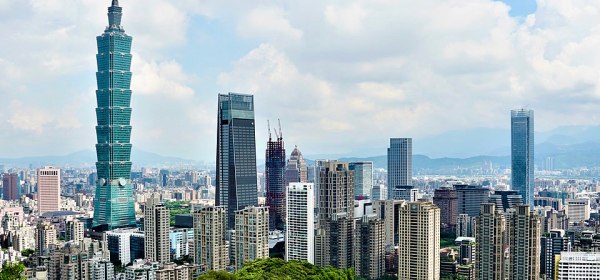
The Unresolved Housing Problem in Taiwan 

Written by Yi-Ling Chen. This article traces Taiwan’s housing transformation, arguing that the state’s role remains central, and that its interventions have facilitated commodification, speculation, and inequality in Taiwan’s housing sector. It calls for restoring housing’s use value and reimagining it as a basic necessity. 

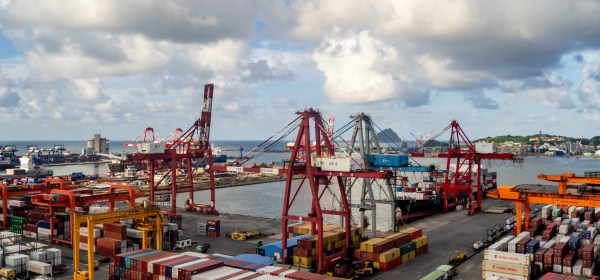
Why Taiwan’s Family Businesses Still Rule and Why It Matters

Written by Zong-Rong Lee. As part of the Taiwan Insight–IJTS special issue on the Topical Section “Transitions and Challenges in Taiwan’s Economy and Society,” this article presents Zong-Rong Lee’s study on Taiwan’s enduring family capitalism. It traces how political patronage, kinship networks, and market reforms sustained family dominance, raising concerns about competition and long-term adaptability.

Introduction to The Topical Section on ‘Transitions and Challenges in Taiwan’s Economy and Society’ 

Written by Zong-Rong Lee and Thung-Hong Lin. This article introduces the Taiwan Insight–IJTS special issue on the Topical Section “Transitions and Challenges in Taiwan’s Economy and Society.” Initiated as an open invitation to scholars worldwide, the Topical Section reflects on Taiwan’s economic transformation, convening debate on structural shifts, their consequences, and the pressing challenges shaping Taiwan’s future. 

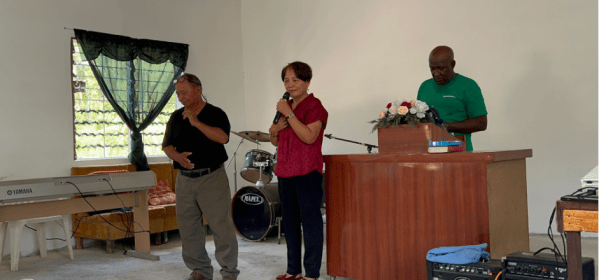
Religious Transnationalism and Historical Narratives of Taiwan Indigenous Peoples during the 1995 Taiwan Strait Crisis  

Written by Fasa’ Namoh. This article explores how charismatic Christian prophecy shaped the 1990s migration of Paiwan families from Taiwan to Belize. Drawing on multisited fieldwork in Belize, Taiwan, and the United States, the research examines how religious landscapes and cultural memory are reterritorialised through cross-cultural encounters and diasporic practices.  

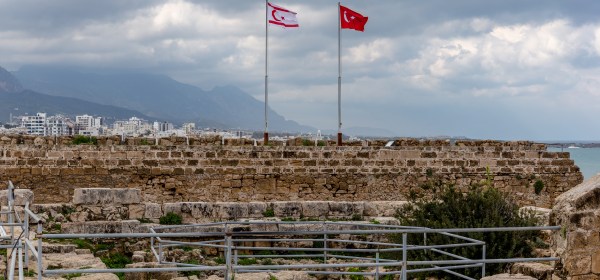
Mandarin Soft Power with Taiwanese Characteristics: Values, Visibility, and Challenges

Written by Elaine Chung and Qipeng Gao. This article examines Taiwan’s efforts to promote Mandarin education abroad as a tool of soft power, particularly in the UK. Drawing on student interviews, it explores how political values, language ideologies, and structural constraints shape learners’ choices. It offers insight into how Taiwan can strengthen its visibility and appeal in global language education.

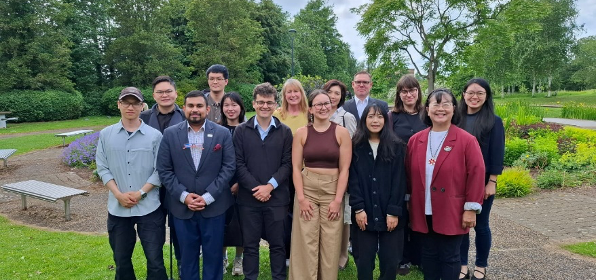
First Round of Early Career Scholars Workshop on Taiwan Studies: Reflections of the Organisers 

Written by Raian Hossain & Ping-An Wei. This article offers a reflection on the motivations behind organising the first Early Career Scholars Workshop on Taiwan Studies, the key achievements of the event, and the broader vision of establishing an Early Career Scholars Network under the Taiwan Research Hub. The organisers highlight how the workshop created opportunities for interdisciplinary exchange, professional development, and long-term community building among emerging scholars in the field.

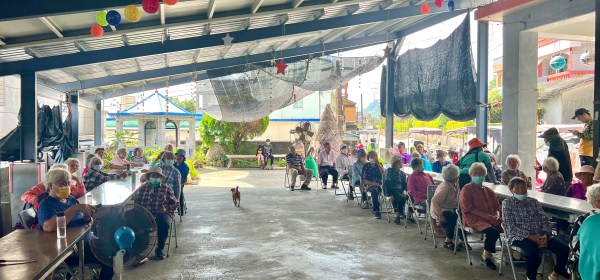
Group Photos (Hezhao) and the Depoliticisation of Indigeneity in Taiwan 

Written by Aaron Su. This article discusses the crucial role of photography in consolidating a liberal multicultural order in Taiwan by obscuring dissent through visual depictions of harmonious Indigenous life. Drawing on fieldwork at Taiwan’s Cultural Health Stations, the author shows how photography portrays Indigenous satisfaction with current health policies, leaving little room for the everyday pressures, demands, and disputes.

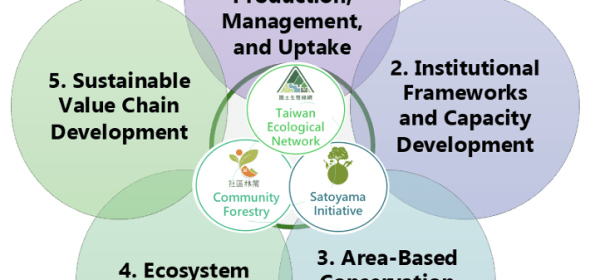
Looking Ahead to 2030: Realising Five Strategic Objectives of the Satoyama Initiative in Taiwan 

Written by Paulina G. Karim and Kuang-Chung Lee. This article outlines how Taiwan is advancing the Satoyama Initiative through five strategic objectives set out in the 2023–2030 IPSI Plan of Action. By integrating knowledge co-production, institutional capacity, area-based conservation, ecosystem restoration, and sustainable value chains, the authors highlight how Taiwan’s ‘3 in 1’ strategy contributes to global biodiversity goals through local and people-centred approaches.

1 2 3 10