Reflections on the Identity at Indigenous Popular Music Training Camp in Taiwan 

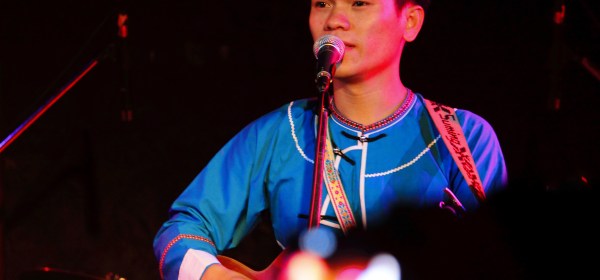
Written by Kuing, Guo-Ting Lin. In recent years, there have been various Indigenous popular music creation and cultivation programmes in Taiwan. For example, the music training camp “Psiwali School” at the Pasiwali Music Festival in Taiwan with the purpose of discovering Indigenous musicians. Another example is the “MINETJUS Electronic Music Production” Programme, which is held by Dark Paradise Records (派樂黛唱片), an independent record label based in Taipei. This initiative blends electronic music and Indigenous culture to help younger musicians turn cultural marginality into unique cultural assets. Most training camps in Taiwan still rely on government support, aiming to strengthen the unique cultural identity of contemporary Indigenous youth and regard this as a catalyst for promoting ethnic diversity. This article examines the meaning of Taiwan’s Indigenous popular music creation and cultivation programmes.

The Search for a Shared Script: A Very Brief History of Writing Lyrics in Taiwanese 

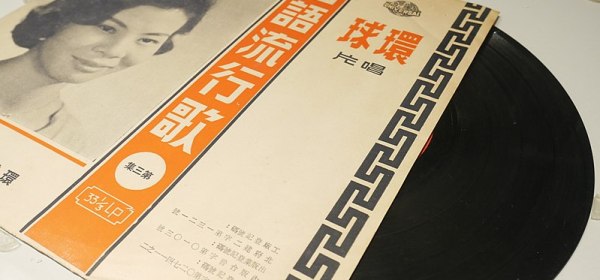
Written by Cheng-Ting Wu. Imagine you are trying to write a song in Taiwanese Southern Min (hereinafter “Taiwanese”). After creating a soulful melody and heartfelt lyrics, you wonder: How should I write them down? You can choose any of the music notations you prefer for melody, from staff to numbered system. For lyrics, regardless of whether you are a native speaker or a learner of Taiwanese, you also have a choice. This brief article discusses this choice or the different strategies in the history of writing music in Taiwanese.

Hoklo Rap and Taiwanese Resistance Vernaculars 

Written by Meredith Schweig. Since the end of the 1980s, when rap music first took root in urban Taiwan, artists have explored the creative possibilities inherent to rhyming in the multiple languages spoken on the island. Early commercial pop-oriented performers like Yu Chengqing tended to rap in Mandarin; acts primarily associated with the underground folk and rock scenes, like Blacklist Workshop and Jutoupi, performed almost exclusively in Hoklo; and American-born Taiwanese teen sensations the LA Boyz peppered their Mandarin and Hoklo verses with English.

Indigenous popular music and language revitalisation in Taiwan 

Written by Karen Huang. In 2020, Paiwan singer Abao (阿爆) became an overnight sensation at the 31st Golden Melody Awards (GMA) when her Paiwan album ‘Kinakaian MOTHER TONGUE’ brought home multiple major awards, including the ‘Album of the Year’ and ‘Song of the Year’. The awards surprised many, as Mandarin popular music usually dominates these two cross-language categories. It was the first time an Indigenous-language singer had won both categories simultaneously.

Treating the Faceless’ Art Experiences Equally: An Interview with an Independent Researcher Tze-Ning Hong

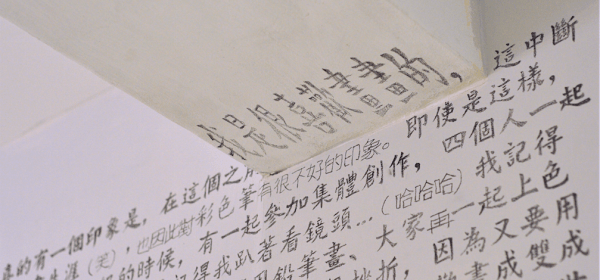
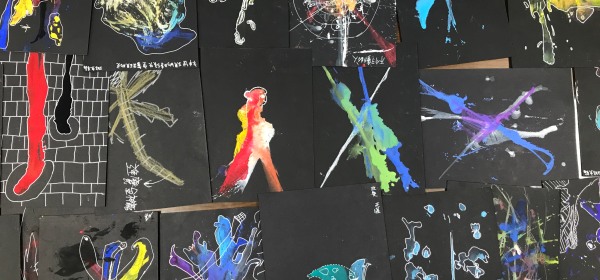
Written by Yi-Cheng Sun; translated by Yi-Yu Lai. Tze-Ning Hong, an independent researcher, designer, and artist, has been immersed in an artistic environment since childhood and graduated from the Department of Fine Arts at National Taiwan Normal University. Her father, a calligraphy teacher in elementary school, provided her with a unique perspective as she navigated between her family and school life during her childhood. From this vantage point, Tze-Ning constantly observed the subtle transformations between “her father as a teacher” and “her father as a dad.” This experience gave her a more nuanced understanding of the teacher’s role than the average person. She has captured and preserved unnoticed and delicate memories regarding art education due to her special position.

Exploring the Undefined Creativity in Youth Theatre Education: An Interview with Wen-Qi Yu, Artistic Director of Flying Birds Theatre Group

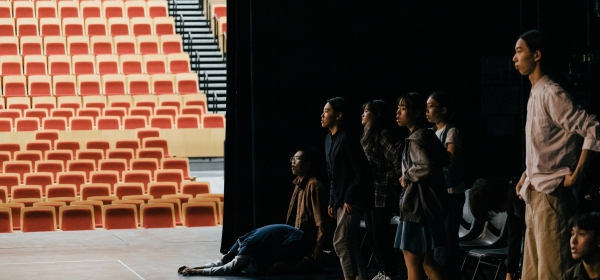
Written by Yi-Cheng Sun; translated by Yi-Yu Lai. Before starting the interview, during lunch, Rei-Tzu, the production coordinator of Flying Birds Theatre Group, told us about the “earliest university.” In English, “University” is derived from the word “universe.” In Latin, “universus” is composed of “unus” (one) and “versus” (towards a particular direction), giving it the literal meaning of “towards a specific direction.” According to our limited knowledge of history, the University of Bologna, established by students in 1088 in Italy, is the first university in Europe, earning it the title “mother of universities.” The “earliest university” topic quickly sparked our discussion about knowledge and the essence of education, with art being the primary focus.

Plasticising Cultures through Art Education: An Interview with an Artist Wei-Lun Chang

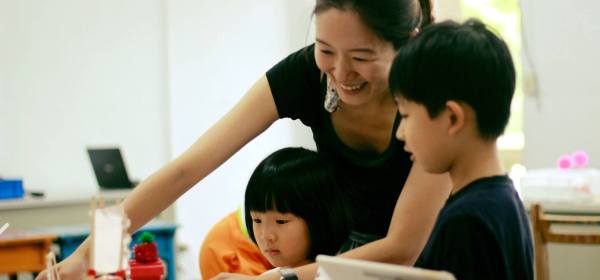
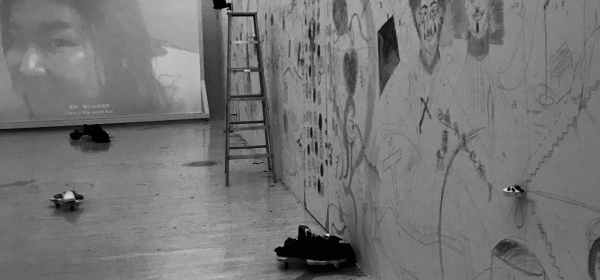
Written by Yi-Cheng Sun; translated by Yi-Yu Lai. Before my interview with Wei-Lun Chang, I felt isolated and distant from her previous paintings. However, I experienced a contrasting feeling upon entering her home on the interview day. The toys in the corner and the children’s graffiti scattered around the walls made me feel the presence and interdependence of growing lives in this space. Wei-Lun’s role is not only that of an artist and educator, as I knew her to be, but also that of a mother––the mother of two children. The role of motherhood always brings significant changes, growth, and understanding in the continuous process of life, and Wei-Lun’s life journey is no exception.

Creating Artworks with Experience: An Interview with an Artist-Teacher Shao-Gang Wang

Written by Yi-Cheng Sun; translated by Yi-Yu Lai. In 2022, at the Taipei Fine Arts Museum’s “Taipei Art Awards” exhibition, artist Shao-Gang Wang was honoured with the Excellence Award for his artwork titled “The Bird’s Still Singing.” This piece continues his collaboration with young actors that began in 2019 with the works “AppleGreen” and “DeepBlue.”

The Director-Sensei of Shadow Puppetry: An Interview with an Artist-Teacher Yun-Hsuan Kao

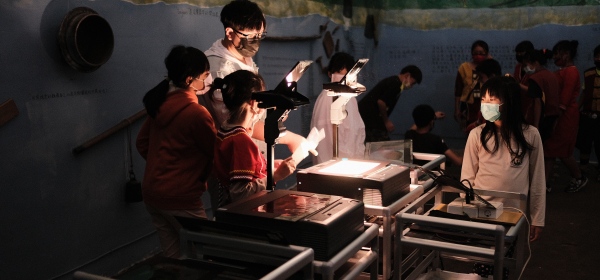
Written by Yi-Cheng Sun; translated by Yi-Yu Lai. The night following the conclusion of the 2022 National Creative Drama Competition, residents of the Ciwidiyan community (Shuilian village) learned that their representative troupe had won the Modern Shadow Puppetry Excellence Award of the Elementary School Division. The community members prepared drinks and delicacies to celebrate, eagerly awaiting the return of the students and teachers from Shuilian Elementary School. The fried chicken cutlets cooked long ago turned cold, and the elders holding congratulatory red envelopes were also a bit weary. Only when the firecrackers along the way burst into loud noises did the delight in the air, with flying paper scraps both inside and outside the houses, seem to repeatedly congratulate: “Finally, it’s here!”

Art Education for the Real World: An Interview with an Artist-Teacher Pin-Hsuan Tseng

Written by Yi-Cheng Sun; translated by Yi-Yu Lai. Pin-Hsuan Tseng taught art at Gongliao Junior High School in New Taipei City from 2012 to 2022. Besides being an art teacher, she is well-known for her 2017 initiative called the “Ordering Dishes to End Discrimination” movement. This gentle movement embedded in everyday life aimed to restore the proper name of “Fushan lettuce,” which is commonly referred to as “mainland girl”, with underlying discrimination against females from China. Regarding nationality and gender, Taiwanese media once used “mainland girl” to refer to Chinese prostitutes who arrived illegally in Taiwan, while the smooth appearance of Fushan lettuce was thought to correspond with this image.

1 8 9 10