Ecotourism Destination Marketing Organisation (DMO) – A Case Study of the Shih-ba-luo-han-shan Forest Reserve in Southern Taiwan 

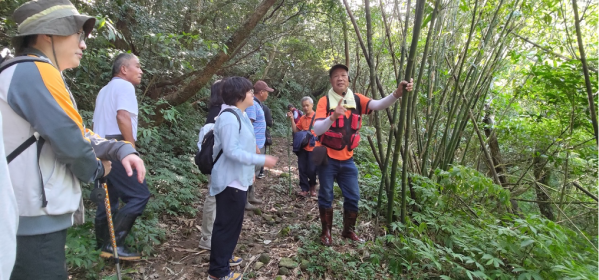
Written by Mei-Hui Chen. This article introduces the concept of Ecotourism Destination Marketing Organisations (DMOs) and illustrates how they function through the case of the Shih-ba-luo-han-shan Forest Reserve in southern Taiwan. By fostering cross-sector collaboration and community participation, the DMO model supports sustainable ecotourism and biodiversity conservation.


From Co-Learning to Co-Production: Building an Innovative Satoyama Network along Taiwan’s North Coast 

Written by Hsin-Hsun Huang. Addressing rural challenges, the Northern regional exchange base of the Taiwan Partnership for the Satoyama Initiative (TPSI-N) focuses on connecting people to Taiwan’s Satoyama landscapes to achieve sustainability. By cultivating relational values through school partnerships, inter-partner co-creation, and inviting external engagement, it empowers local communities. It preserves vital environments for the benefit of both residents and broader society.

From Conservation to Governance: Advancing Connectivity through Nature-based Strategies within the Taiwan Ecological Network 

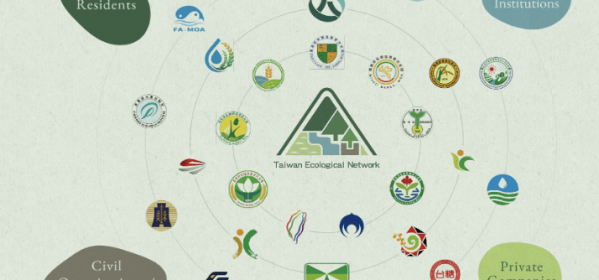
Written by Hwa-Ching Lin, Chih-Chin Shih, Hsiao-Tien Hsieh, and Chia-Tzu Chen. This article explores how Taiwan’s conservation vision has broadened from isolated reserves to an island-wide ecological network. Through data-driven planning, nature-based strategies, and cross-sector cooperation, the governance model contributes to ecosystem services that are essential to public safety, human well-being, and sustainable economic development.

Co-Weaving Taiwan Ecological Network – Satoyama in Practice 

Written by Paulina G. Karim. This special issue, co-produced by Taiwan’s Forestry and Nature Conservation Agency and the Taiwan Partnership for the Satoyama Initiative, presents a “3-in-1” people-centred conservation strategy combining the Taiwan Ecological Network, Community Forestry, and Satoyama approaches. It shows how Indigenous and local communities steward the island’s bio-cultural landscapes.

Siraya Groups Take Stand Against KMT Effort to Deny Indigenous Recognition to Pingpu Groups

Written by Brian Hioe. Siraya civil society groups oppose a KMT proposal to create a “Pingpu Indigenous” category, arguing it undermines their full legal recognition mandated by a 2022 Constitutional Court ruling. The debate reflects ongoing struggles over identity, resources, and recognition amid shifting political dynamics and the KMT’s efforts to defund Indigenous institutions.

V4-Taiwan Industrial Cooperation as a Strategic Response to a Shifting Global Order

Written by Filip Křenek. The EU faces new dependencies on U.S. LNG and Chinese clean tech, with the Visegrád Four (V4) particularly exposed to these pressures yet well-positioned to benefit from the green transition. This article argues that Taiwan is advancing its energy transformation and technological edge amid rising geopolitical tensions, creating opportunities for V4-Taiwan collaboration.

De-risking the Next Generation Solar Supply Chain: the Taiwan-EU Potential Collaboration 

Written by Yu-Ping Yang. Facing China’s dominance in the solar panel market, the EU is exploring perovskite solar cells (PSCs) as a strategically important alternative to diversify its supply chain and reduce reliance on China-controlled materials and manufacturing. This article examines the strategic advantages of PSCs and Taiwan’s potential role in building a resilient PSC supply chain for the EU.

Adding Turbulence to the Turbulent Region: Cooperation Between Western Balkans, China, and Taiwan

Written by Stefan Vladisavljev and Damir Dizdarević. The Western Balkans face the challenge of balancing growing Chinese influence with the need for diversified and resilient partnerships to support their green transition. While limited by diplomatic constraints, Taiwan offers a strategic alternative through cooperation in clean energy and technology that aligns with democratic values and enhances supply chain security.

The Power of “Taiwan Can Green”: Energy transitions as a discursive response to Cross-Strait Geopolitical Tensions 

By Anthony Ho-fai Li. This article explores why the Democratic Progressive Party (DPP) has been so committed to the aggressive target of domestic solar energy installation despite intensified controversies since 2016. It argues that its commitment goes hand in hand with enhancing its ideational power through the narrative of “Taiwan can green,” which helps Taiwan navigate the escalating cross-Strait geopolitical tensions and the DPP to cope with domestic political challenges.

1 2 3 4 10