“Be My Guest”: How Taiwan Is Using Social Media Influencers for International Engagement

Written by Chiaoning Su. This article discusses how Taiwan is leveraging social media influencers for nation branding as part of its public diplomacy efforts. While current initiatives effectively promote Taiwan’s democratic values and openness, the government needs to address several key issues, such as defining a clear target audience, fostering bottom-up partnerships with foreign influencers, and navigating geopolitical challenges.


The Disinformation Chorus: How Taiwanese TV Talk Shows Push Chinese Propaganda 

Written by Wei-Ping Li. Taiwan’s political TV talk shows are a contested space in the fight against Chinese disinformation, with some hosts and guests spreading false information and AI tools being used to alter content and disseminate pro-China propaganda. To combat this, Taiwanese media must enforce stricter self-discipline, enhance collaboration with fact-checkers and researchers, and improve public awareness of disinformation’s effects.

Words of Influence: PRC terms and Taiwanese identity 

Written by Karen Huang. This article explores the growing use of PRC terms in Taiwan Mandarin and the social reactions to this trend. While some Taiwanese view this trend as a natural result of language contact, others perceive these terms as a form of cultural invasion. The debate among Taiwanese netizens reflects broader concerns about cultural identity, political influence from China, and the implications for younger generations in Taiwan.

Establishing a Digital Bill of Rights: Towards a Rule of Law Foundation Upholding Freedom and Democracy in The Digital Age 

Written by Grace Huang. The Judicial Reform Foundation of Taiwan is leading the development of a Digital Bill of Rights to protect people’s rights in an era of increasing surveillance and data exploitation. This Bill comprises ten articles addressing various aspects of digital rights and governance, aiming to empower citizens, regulate AI and data usage, and ensure democratic values remain central in shaping our digital future.

Rethinking Data Sovereignty: From Regulating to Facilitating Utilisation

Written by Kai-Chih Chang. This article explores the evolving global data landscape and the challenges of data sovereignty. Although traditional notions of state jurisdiction over data remain relevant, the borderless nature of the internet necessitates a new regulatory framework that balances the needs and interests of businesses, governments, and other stakeholders to realise the multifaceted value of data in driving economic growth and innovation.

Navigating data sovereignty: lessons for Taiwan

Written by Zach Meyers. The concept of data sovereignty presents challenges for Taiwan, which relies heavily on open digital trade. While Taiwan’s Personal Data Protection Act allows cross-border data transfers with some restrictions, it still faces difficulties in asserting its standards due to its smaller market size and reliance on larger economies. To navigate these challenges, Taiwan may benefit from supporting multilateral data standards and strengthening its role as a key tech partner globally.

Taiwan’s Internet Governance: A Democratic Framework for Multistakeholder Participation and Global Connectivity 

Written by Anthony Lee. This article explores Taiwan’s Internet governance model, underlining its commitment to democratic principles and multistakeholder participation. Taiwan’s success in this area will depend on confronting challenges such as adapting to emerging technologies, ensuring privacy protection, and navigating geopolitical pressures while upholding democratic values and fostering international partnerships.

The Most Critical Resilience Questions of Them All: Taiwan’s Undersea Cables  

Written by Charles Mok and Dr Kenny Huang. This article examines Taiwan’s critical reliance on its undersea cable system for digital resilience in the face of potential blockades and disruptions. It emphasises the need for Taiwan to enhance its strategy by expanding partnerships to position itself as a regional “transfer station” for digital traffic while fostering investment and cross-sector collaboration to strengthen its connectivity infrastructure.

The national Committee on Climate Change: Also a security issue  

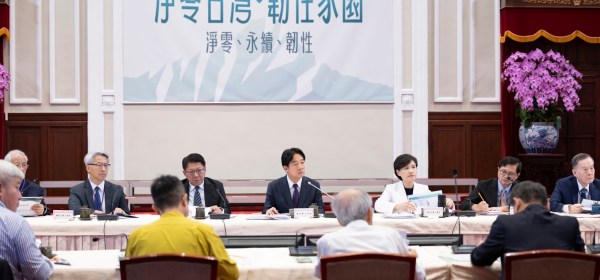
Written by Paul Jobin. This article discusses the challenges and strategic priorities of Taiwan’s national committees placed in the Presidential Office, addressing the issues of climate change, defence resilience, and health. This article reviews the first meeting of the National Climate Change Response Committee to assess the government’s stance on nuclear energy, the priorities of different stakeholders in climate policy, and the potential synergies with Taiwan’s defence and health strategies.  

1 3 4 5 6 7 10