
Written by Helen Hai-Ning Huang. This article highlights the key provisions of the Climate Change Response Act, particularly its design, objectives, and emissions reduction targets, and dissects the historic constitutional climate lawsuit in Taiwan.

Written by Helen Hai-Ning Huang. This article highlights the key provisions of the Climate Change Response Act, particularly its design, objectives, and emissions reduction targets, and dissects the historic constitutional climate lawsuit in Taiwan.
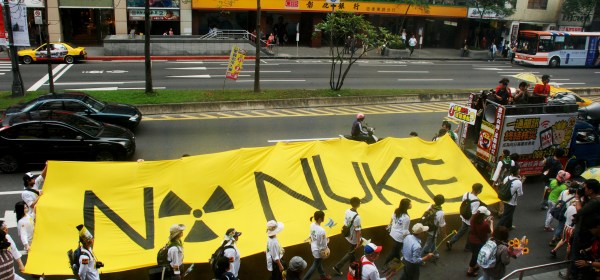
Written by Mori Lin. This article explores Taiwan’s journey toward a nuclear-free homeland. It examines the challenges and opportunities in its energy transition, the impact of legal reforms, and the ongoing efforts to enhance energy security and sustainability.

Written by Kuan-Wei Chen. This article explores Taiwan’s integration of ecological considerations into its constitution through ecological constitutionalism. It highlights legislative advancements and the challenges of implementing these principles in legal and constitutional frameworks.
Written by Hsiu-Yun Wang. This article reviews the six decades during which the terms used to describe “sexual harassment” have evolved, and victims’ experiences have shifted from suffering in silence and depending on their fathers for justice to being able to take action themselves. However, many fundamental challenges remain unchanged.

Written by Ting-Sian Liu. This article explores how gender-sensitive and inclusive environments emerged from the recent Bluebird action, challenging past cultures of misogyny and discrimination. It examines how the #MeToo movement has contributed to creating new spaces for collective healing that push social movements in Taiwan forward in thinking about the politics of difference.
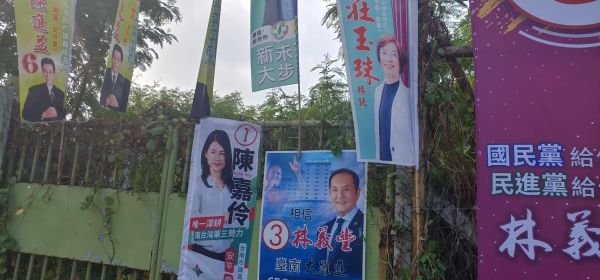
Written by Sheng-Hui Tseng. The workplace of politics, permeated by a culture of silence and cover-up, creates a hostile work environment for women that hinders them from seeking help or speaking out against sexual harassment. Breaking this culture requires the collective efforts of politicians, political parties, and the public.
Written by Sheng-Hui Tseng. The #MeToo movement in 2023 prompted revisions to gender equality laws, incorporating key changes such as broadening the scope of these laws, defining power-abused sexual harassment, and extending the timeframe for filing complaints. However, challenges in the workplace of politics persist due to deep-rooted patriarchal culture and informal power dynamics.

Written by Yi-Ping Hsieh. Taiwan has seen a dramatic increase in internet and social media use among adolescents, leading to heightened concerns over online sexual violence. This article focuses on unwanted online sexual solicitation among Taiwanese youth, suggesting the need for targeted interventions and a multifaced approach to protect Taiwanese youth.

Written by Linshan Jiang. “Fan Si-Chi’s First Love Paradise,” the most influential book of Taiwan’s #MeToo movement, was published in English translation this May. This review points out the Confucian patriarchal system of East Asian society in which the story is embedded and underscores the novel’s powerful message that “rage is a virtue” in the fight against such oppressive situations.
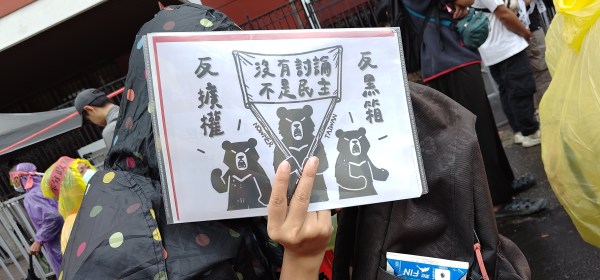
Written by Dominika Remžová. This article examines the recent Bluebird Movement in Taiwan, sparked by controversial legislative amendments pushed by the pan-Blue majority. Drawing parallels to the 2014 Sunflower Movement, it discusses the implications for Taiwan’s democracy, legislative transparency, and the balance of power between political factions.
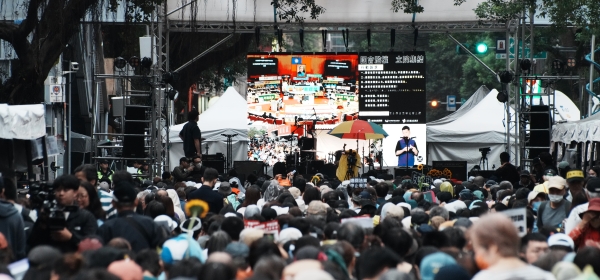
Written by the Taiwan Indigenous Youth Public Participation Association; translated by Yu-Chen Chuang. This article highlights the involvement of Indigenous rights advocacy groups in the Bluebird Movement. They call for Indigenous legislators to prioritise their communities’ rights, foster cross-party collaboration, and address the electoral system’s challenges that hinder effective Indigenous political participation.
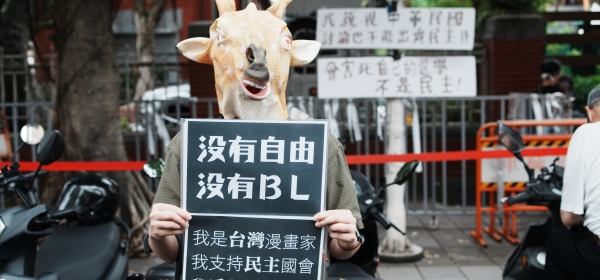
Written by Chee-Hann Wu. During the Bluebird Movement, demonstrators used diverse, creative, and aesthetically pleasing signs that referenced pop culture to convey political messages and advocate for democracy.
 Taiwan Insight