From Musical Garbage Trucks to Garbage Consciousness in Taiwan

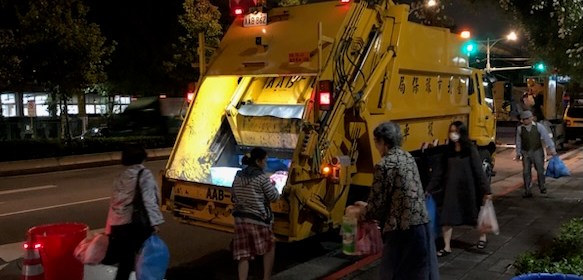
Written by Nancy Guy. Garbage, or rather, thoughts of garbage, are part of daily life in Taiwan. This is illustrated in the practices of individuals and households as they manage the material byproducts of everyday living. It is also reflected in all manner of creative practice. This post introduces the music of garbage trucks, the ‘Maiden’s Prayer’, not only on the music, but to social context with the music and Taiwan’s ‘throwing garbage’ culture.

Revisiting Research: Indigenous Peoples as Non-State Diplomatic Actors in the Public/Cultural Diplomacy of Taiwan 

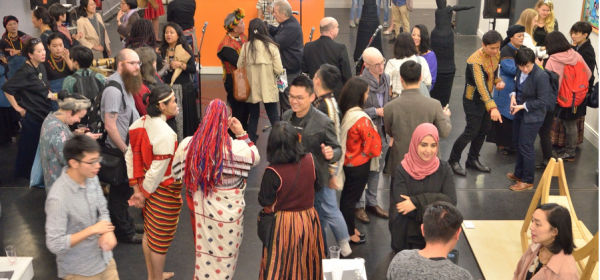
Written by Dr Carla Figueira. This article reflects on the 2024 IJTS Open Access Award-winning paper, “Indigenous Peoples as Non-State Diplomatic Actors in the Public/Cultural Diplomacy of Taiwan: A Case Study of Dispossessions: Performative Encounter(s) of Taiwanese Indigenous Contemporary Art.” It highlights the value of engaging with the personal and social contexts shaping research outputs. It celebrates the growing academic focus on Indigenous Peoples and cultural diplomacy, foregrounding Taiwan’s unique position.

Who Are the Victims of Taiwan’s Cultural Budget Disputes? The Invisible Right to Cultural Participation for People with Disabilities

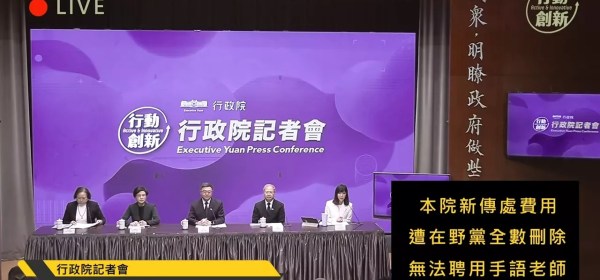
Written by Hsin-Yi Chao. This article discusses cultural equity and the rights of persons with disabilities in Taiwan. It examines cultural equity subsidies since 2016, noting that despite overall budget growth, cultural equity funding remains unstable. The author highlights a case where budget cuts led to the suspension of sign language interpretation services and proposes policy recommendations to strengthen cultural equity implementation.

Love is Impossible, but Justice will not Suffice.

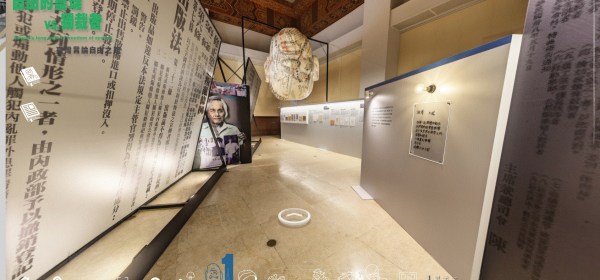
Written by Patricia Huang. This article analyses the budget cuts to Taiwan’s Ministry of Culture, including the freezing of funds for museums and the possible impacts of under-budgeting. It explores the debate around subsidising culture and the concept of “Cultural Exception”. The author also examines alternative funding sources for culture, taking examples from other countries, such as lotteries and TV licensing fees.

A Time of Extinction: Dedicated to Whom? Exploring Sustainability through the Lens of Theater, Let’s Be Consciously Wasteful

Written by Charles Lee. This article raises fundamental questions about theatre sustainability. It focuses on theatre venues and infrastructure in Taiwan by critically examining productions that attempt to respond to the concerns through distinct approaches. The author also investigates the unique dynamics Taiwanese The author also explores the unique dynamics that Taiwanese audiences have with the “aesthetics of Anthropocene theatre”.

Improving Conditions of Artistic Labour and Local Economic Sustainability 

The essence of cultural policy lies in nurturing and stimulating social creativity, which involves both the preservation of classics and the kindling of future possibilities. The durability of policy development hinges on the transmission of memory and skills. Rather than being a political display, citizens occupy a central role in artistic performance, whether as creators or audience members. Does the support for creators aim to ensure the vitality and competitiveness of society, to enhance cultural production, or does its impact merely extend to safeguarding welfare measures? 

Reflections on the Identity at Indigenous Popular Music Training Camp in Taiwan 

Written by Kuing, Guo-Ting Lin. In recent years, there have been various Indigenous popular music creation and cultivation programmes in Taiwan. For example, the music training camp “Psiwali School” at the Pasiwali Music Festival in Taiwan with the purpose of discovering Indigenous musicians. Another example is the “MINETJUS Electronic Music Production” Programme, which is held by Dark Paradise Records (派樂黛唱片), an independent record label based in Taipei. This initiative blends electronic music and Indigenous culture to help younger musicians turn cultural marginality into unique cultural assets. Most training camps in Taiwan still rely on government support, aiming to strengthen the unique cultural identity of contemporary Indigenous youth and regard this as a catalyst for promoting ethnic diversity. This article examines the meaning of Taiwan’s Indigenous popular music creation and cultivation programmes.

Treating the Faceless’ Art Experiences Equally: An Interview with an Independent Researcher Tze-Ning Hong

Written by Yi-Cheng Sun; translated by Yi-Yu Lai. Tze-Ning Hong, an independent researcher, designer, and artist, has been immersed in an artistic environment since childhood and graduated from the Department of Fine Arts at National Taiwan Normal University. Her father, a calligraphy teacher in elementary school, provided her with a unique perspective as she navigated between her family and school life during her childhood. From this vantage point, Tze-Ning constantly observed the subtle transformations between “her father as a teacher” and “her father as a dad.” This experience gave her a more nuanced understanding of the teacher’s role than the average person. She has captured and preserved unnoticed and delicate memories regarding art education due to her special position.

1 2 3