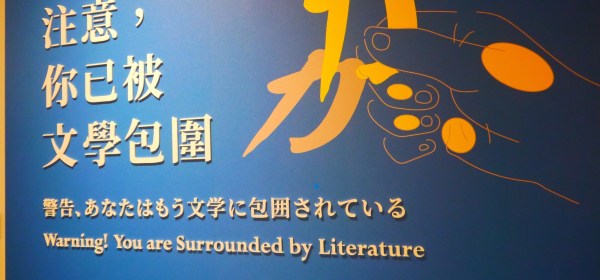
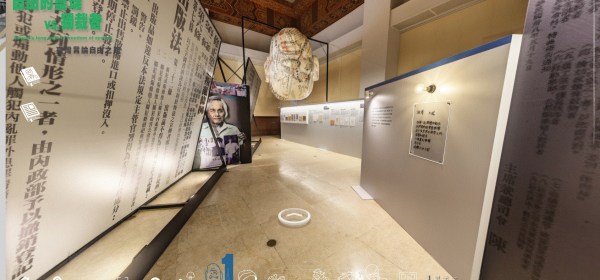
Love is Impossible, but Justice will not Suffice.

Written by Patricia Huang. This article analyses the budget cuts to Taiwan’s Ministry of Culture, including the freezing of funds for museums and the possible impacts of under-budgeting. It explores the debate around subsidising culture and the concept of “Cultural Exception”. The author also examines alternative funding sources for culture, taking examples from other countries, such as lotteries and TV licensing fees.

The TaiwanPlus Controversy: Press Freedom, Political Influence, and the 2024 U.S. Election Coverage 

Written by Chiaoning Su. This article examines the reporting controversy faced by TaiwanPlus, a government-funded English-language news platform in Taiwan, following the U.S. election. It highlights how Taiwan’s coverage of the U.S. election goes beyond geopolitical and economic considerations to address issues of press freedom. The article emphasizes the need for Taiwan’s public media to reinforce its independence and create a better environment for press freedom.

Newsgames for the Greater Good: The Effects of Graphic Realism and Geographic Proximity on Knowledge Acquisition and Willingness to Help

Written by Jih-Hsuan Tammy Lin and Dai-Yun Wu. The article discusses newsgames, a game genre of interactive digital experiences designed to inform players about real-world issues. It explores the impact of graphic realism and geographic proximity on player engagement and emotional responses. The research indicates that newsgames can foster prosocial behavior and awareness.

“Be My Guest”: How Taiwan Is Using Social Media Influencers for International Engagement

Written by Chiaoning Su. This article discusses how Taiwan is leveraging social media influencers for nation branding as part of its public diplomacy efforts. While current initiatives effectively promote Taiwan’s democratic values and openness, the government needs to address several key issues, such as defining a clear target audience, fostering bottom-up partnerships with foreign influencers, and navigating geopolitical challenges.

The Disinformation Chorus: How Taiwanese TV Talk Shows Push Chinese Propaganda 

Written by Wei-Ping Li. Taiwan’s political TV talk shows are a contested space in the fight against Chinese disinformation, with some hosts and guests spreading false information and AI tools being used to alter content and disseminate pro-China propaganda. To combat this, Taiwanese media must enforce stricter self-discipline, enhance collaboration with fact-checkers and researchers, and improve public awareness of disinformation’s effects.

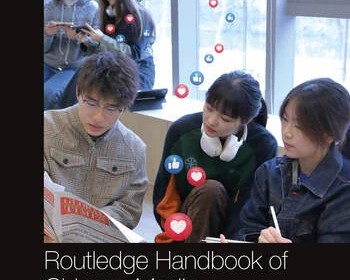
Words of Influence: PRC terms and Taiwanese identity 

Written by Karen Huang. This article explores the growing use of PRC terms in Taiwan Mandarin and the social reactions to this trend. While some Taiwanese view this trend as a natural result of language contact, others perceive these terms as a form of cultural invasion. The debate among Taiwanese netizens reflects broader concerns about cultural identity, political influence from China, and the implications for younger generations in Taiwan.

1 2 3 5