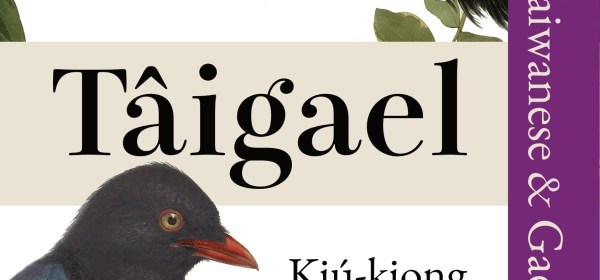
Tâigael: Orchids, Maternal Care, and a New Rosetta Stone

Written by Hannah Stevens and Will Buckingham. The article introduces Tâigael: Stories from Taiwanese & Gaelic, a translation project linking two minoritised languages through English and Mandarin as bridges. Writers reflect on linguistic solidarity, maternal legacies in “mother tongues,” risks of reinforcing hierarchies, and ecological fidelity in translation. Together, their essays highlight translation’s generative, resistant, and collaborative potential.
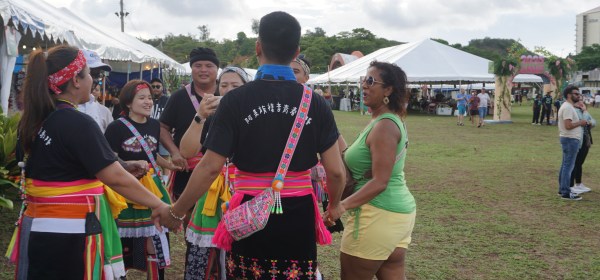
The Island Is Our Canoe: Taiwan–Guam Exchange Finds Connection Beyond the Stage

Written by Eloise Phillips. This article examines the 2025 Taiwan–Guam cultural exchange, led by Taiwan’s National Museum of Prehistory, which wove song, canoe building, and shared practices into island diplomacy. Through workshops, performances, and informal encounters, the program connected Austronesian communities across the Pacific, highlighting resilience, mutual reclamation, and living traditions of cultural practice, language, and art.

How Young Taiwanese Women’s Views on Romantic Romance Are Shaping Taiwanese Society

Written by Elspeth Lewis. Taiwan has the lowest birthrate in the world. This article explores this trend by putting women at its centre, challenging what we thought we knew. Beyond the vague idea of becoming more liberal, it explores the difference between the younger generation and their parents. Moreover, the traditional society does not condone the newly created ideas around dating, sex and relationships either.

How Tsai Ing-Wen’s fashion sense can provide explanations for gender inequality within Taiwanese politics

Written by Carlotta Rose Busetto. This article examines Tsai Ing-wen’s fashion in her two successful presidential campaigns and how posting certain outfits online increased her electability. It finds that clothes matter in Taiwan and Tsai was not free to wear what she wanted. Moreover, clothes matter more than gender because Tsai also utilised them to promote her own political agenda.

Indigenous Identity in Taiwan’s Contemporary Cinema: From Screen to Self

Written by Ana Paloma Martínez Gómez. This article explores how Indigenous identity is portrayed on screen and how film supports cultural revitalisation and self-representation through a decolonial and gendered lens. As a new Taiwanese national identity emerges, the gap between official recognition and ongoing cultural marginalisation reveals the complex space Indigenous communities occupy.

Gender, Remittances, and Taiwan’s Migrant Worker Financial Ecosystem: Beyond the Numbers

Written by Renee Te-Jung Chen. This article looks beyond the numbers of Taiwan’s Small-Amount Remittance Services for Foreign Migrant Workers from a gender perspective. It argues that the milestone of becoming the primary remittance channel obscures the gendered patterns in adopting the new platform. It suggests that the collection of sex-aggregated data is necessary.

From Overcrowding to Opportunity: Taiwan’s Appeal for Indian Tourists

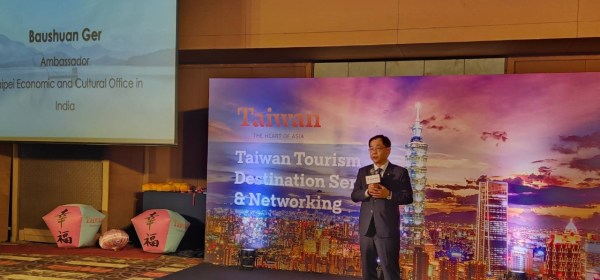
Written by Neeraj Mehra. This article discusses Taiwan’s untapped potential in India’s booming outbound tourism market, highlighting shared cultural ties, natural attractions, and democratic values. The author proposes that easing visas, improving air connectivity, boosting targeted marketing, and fostering educational exchanges may expand tourism, strengthen Taiwan’s soft power, and advance its New Southbound Policy goals.

Religious Transnationalism and Historical Narratives of Taiwan Indigenous Peoples during the 1995 Taiwan Strait Crisis  

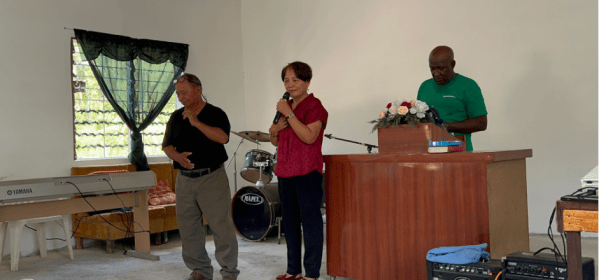
Written by Fasa’ Namoh. This article explores how charismatic Christian prophecy shaped the 1990s migration of Paiwan families from Taiwan to Belize. Drawing on multisited fieldwork in Belize, Taiwan, and the United States, the research examines how religious landscapes and cultural memory are reterritorialised through cross-cultural encounters and diasporic practices.  

Mandarin Soft Power with Taiwanese Characteristics: Values, Visibility, and Challenges

Written by Elaine Chung and Qipeng Gao. This article examines Taiwan’s efforts to promote Mandarin education abroad as a tool of soft power, particularly in the UK. Drawing on student interviews, it explores how political values, language ideologies, and structural constraints shape learners’ choices. It offers insight into how Taiwan can strengthen its visibility and appeal in global language education.

Group Photos (Hezhao) and the Depoliticisation of Indigeneity in Taiwan 

Written by Aaron Su. This article discusses the crucial role of photography in consolidating a liberal multicultural order in Taiwan by obscuring dissent through visual depictions of harmonious Indigenous life. Drawing on fieldwork at Taiwan’s Cultural Health Stations, the author shows how photography portrays Indigenous satisfaction with current health policies, leaving little room for the everyday pressures, demands, and disputes.

What I saw and heard: Vatican Diplomacy and Taiwan

Written by Thomas Ching-Wei TU. This second part of the article presents possible suggestions for promoting Taiwan-Vatican relations. For instance, it could review the visa difficulties of foreign clergy and nuns and strengthen educational and technological exchanges. Only through a greater understanding of the Vatican’s special diplomacy can the friendship with Taiwan’s only European diplomatic partner be deepened.

1 2 3 4 5 6 56