What I Saw and Heard: Triangular Relations among Taiwan, China, and the Holy See

Written by Thomas Ching-Wei TU. This two-part article reflects on Taiwan’s diplomacy with the Holy See from a high-level politics perspective and examines how Taiwan can enhance cooperation. It argues that in addition to calling for religious freedom in China, the Taiwanese should understand the primary goals of the Vatican’s diplomacy and its differences with secular states. 

Be Water: The Dragon’s Identity and Pride Flow Across Borders

Written by Meng Kit Tang. This commentary explores how Bruce Lee’s legacy offers a compelling, non-political model for redefining Chinese identity in Taiwan.  By reframing Chinese identity as values-based, Lee serves as a bridge across generations, borders, and political divides. The article proposes civic and youth-centred initiatives that leverage Lee’s enduring appeal to foster intergenerational confidence, cross-cultural empathy, and peaceful dialogue in the Taiwan Strait.

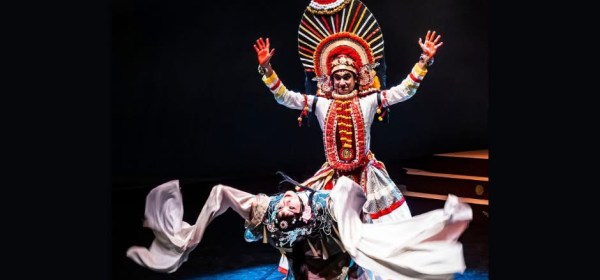
Twenty Years of EX-Theatre Asia: Making Taiwan A Hub of Intercultural Asian Theatre

Written by Maisnam Arnapal. This article explores EX-Theatre Asia’s rise as a hub of intercultural performance since its founding in 2006. Blending diverse Asian traditions through its “Theatre of Essence,” the company redefines Asian identity and globalisation. It highlights Taiwan’s growing cultural influence and EX-Theatre’s role in shaping global conversations on performance.

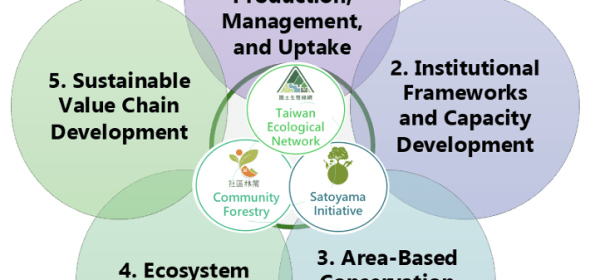
Looking Ahead to 2030: Realising Five Strategic Objectives of the Satoyama Initiative in Taiwan 

Written by Paulina G. Karim and Kuang-Chung Lee. This article outlines how Taiwan is advancing the Satoyama Initiative through five strategic objectives set out in the 2023–2030 IPSI Plan of Action. By integrating knowledge co-production, institutional capacity, area-based conservation, ecosystem restoration, and sustainable value chains, the authors highlight how Taiwan’s ‘3 in 1’ strategy contributes to global biodiversity goals through local and people-centred approaches.

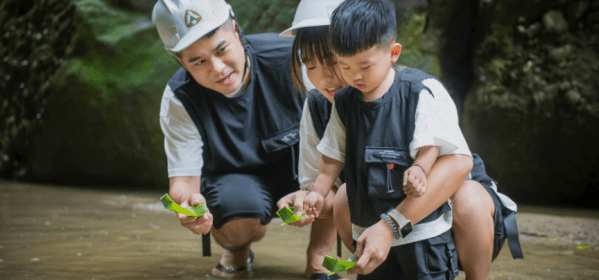
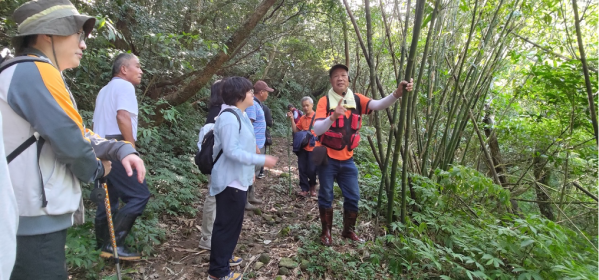
Ecotourism Destination Marketing Organisation (DMO) – A Case Study of the Shih-ba-luo-han-shan Forest Reserve in Southern Taiwan 

Written by Mei-Hui Chen. This article introduces the concept of Ecotourism Destination Marketing Organisations (DMOs) and illustrates how they function through the case of the Shih-ba-luo-han-shan Forest Reserve in southern Taiwan. By fostering cross-sector collaboration and community participation, the DMO model supports sustainable ecotourism and biodiversity conservation.

From Co-Learning to Co-Production: Building an Innovative Satoyama Network along Taiwan’s North Coast 

Written by Hsin-Hsun Huang. Addressing rural challenges, the Northern regional exchange base of the Taiwan Partnership for the Satoyama Initiative (TPSI-N) focuses on connecting people to Taiwan’s Satoyama landscapes to achieve sustainability. By cultivating relational values through school partnerships, inter-partner co-creation, and inviting external engagement, it empowers local communities. It preserves vital environments for the benefit of both residents and broader society.

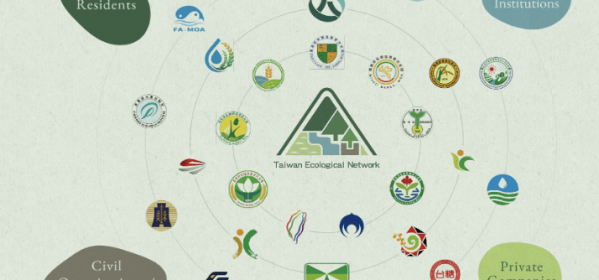
From Conservation to Governance: Advancing Connectivity through Nature-based Strategies within the Taiwan Ecological Network 

Written by Hwa-Ching Lin, Chih-Chin Shih, Hsiao-Tien Hsieh, and Chia-Tzu Chen. This article explores how Taiwan’s conservation vision has broadened from isolated reserves to an island-wide ecological network. Through data-driven planning, nature-based strategies, and cross-sector cooperation, the governance model contributes to ecosystem services that are essential to public safety, human well-being, and sustainable economic development.

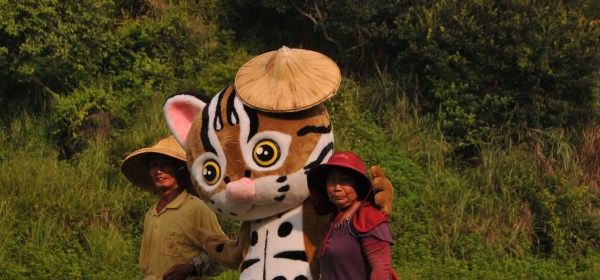
Co-Weaving Taiwan Ecological Network – Satoyama in Practice 

Written by Paulina G. Karim. This special issue, co-produced by Taiwan’s Forestry and Nature Conservation Agency and the Taiwan Partnership for the Satoyama Initiative, presents a “3-in-1” people-centred conservation strategy combining the Taiwan Ecological Network, Community Forestry, and Satoyama approaches. It shows how Indigenous and local communities steward the island’s bio-cultural landscapes.

My PhD Mentor, Tu Laoshi

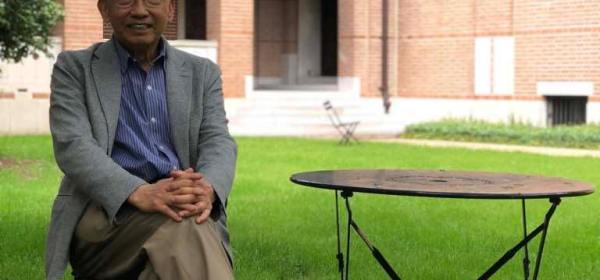
Written by Linshan Jiang. This memorial essay reflects on the author’s time with Professor Tu Kuo-ch’ing, a deeply influential poet, scholar and the founder of the Center for Taiwan Studies at the University of California, Santa Barbara, who passed away earlier this year. His passing left a profound and unexpected void. This essay shares how Professor Tu introduced the author to Taiwanese literature and supported her academic journey.

Navigating Taiwanese Identity: Second-Generation Multiculturalism in Conversation with Dr Pei-Chia Lan

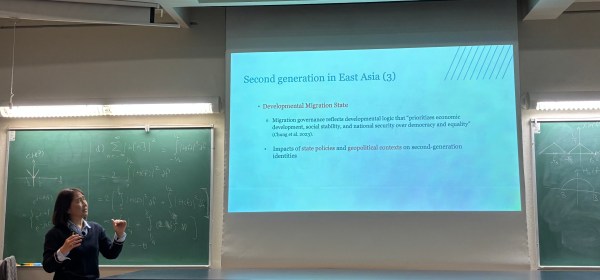
Written by Rose Kuo and Rachel Levine. The article is the first in this special issue in collaboration with the Center for Taiwan Studies (CTS) at the University of California, Santa Barbara. It recapitulates a talk by Dr. Pei-Chia Lan, hosted by CTS. Focusing on children of immigrant marriage migrants and their children, Dr. Lan examines identity struggles, social stigma, and geopolitical impacts. Her research highlights Taiwan’s evolving multicultural landscape and advocates for inclusive policies that support immigrant families and promote societal integration.

1 3 4 5 6 7 56