Twenty Years of EX-Theatre Asia: Making Taiwan A Hub of Intercultural Asian Theatre

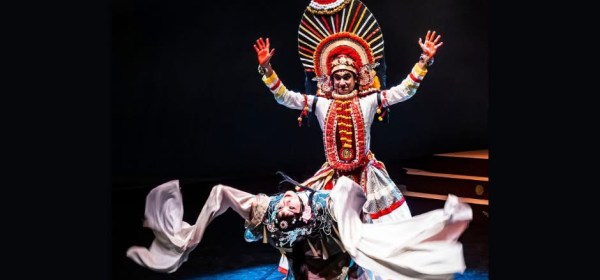
Written by Maisnam Arnapal. This article explores EX-Theatre Asia’s rise as a hub of intercultural performance since its founding in 2006. Blending diverse Asian traditions through its “Theatre of Essence,” the company redefines Asian identity and globalisation. It highlights Taiwan’s growing cultural influence and EX-Theatre’s role in shaping global conversations on performance.

2024 Taiwan Theatre Report: A Gray Area

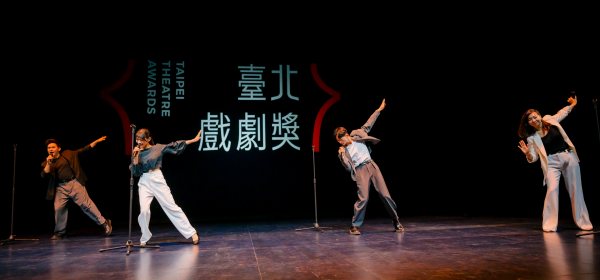
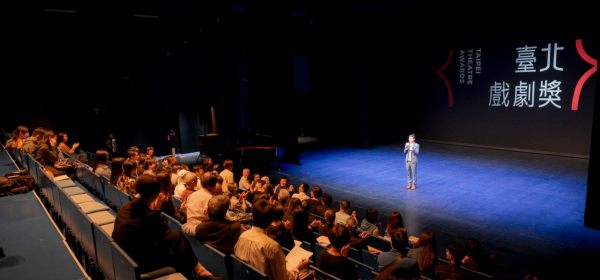
Written by Yi-Ping Wu. The 2024 Taiwan Theatre Report analyses the trends in Taiwan’s theatre scene, highlighting the rising popularity of musicals and comedy while addressing the impact of the #MeToo movement. Finally, the government’s launch of the Taipei Theatre Awards signals institutional support, even as the industry faces challenges balancing commercial success with artistic and social responsibility.

A Time of Extinction: Dedicated to Whom? Exploring Sustainability through the Lens of Theater, Let’s Be Consciously Wasteful

Written by Charles Lee. This article raises fundamental questions about theatre sustainability. It focuses on theatre venues and infrastructure in Taiwan by critically examining productions that attempt to respond to the concerns through distinct approaches. The author also investigates the unique dynamics Taiwanese The author also explores the unique dynamics that Taiwanese audiences have with the “aesthetics of Anthropocene theatre”.

The Howitzer Drill Demonstration in Kinmen 

Written by An-Ru Chu. This article explores the performative nature of the cannon drill demonstration at the Shishan (Mt. Lion) Howitzer Front, a popular tourist attraction in Kinmen, in conversation with Island in Between. Unlike the drill or military-related actions performed at other sites, the cannon drill at Kinmen is unique in that it is not performed by soldiers, but exclusively by performers. In addition, the multilayered identities of the performers further complicate people’s engagement with a contested land like Kinmen. The author traces the history of such a performance and argues its linearity in conversation with Kinmen’s Cold War memories.

Exploring the Undefined Creativity in Youth Theatre Education: An Interview with Wen-Qi Yu, Artistic Director of Flying Birds Theatre Group

Written by Yi-Cheng Sun; translated by Yi-Yu Lai. Before starting the interview, during lunch, Rei-Tzu, the production coordinator of Flying Birds Theatre Group, told us about the “earliest university.” In English, “University” is derived from the word “universe.” In Latin, “universus” is composed of “unus” (one) and “versus” (towards a particular direction), giving it the literal meaning of “towards a specific direction.” According to our limited knowledge of history, the University of Bologna, established by students in 1088 in Italy, is the first university in Europe, earning it the title “mother of universities.” The “earliest university” topic quickly sparked our discussion about knowledge and the essence of education, with art being the primary focus.

Taiwanese Theatre’s Struggle: The 228 Incident and White Terror Era

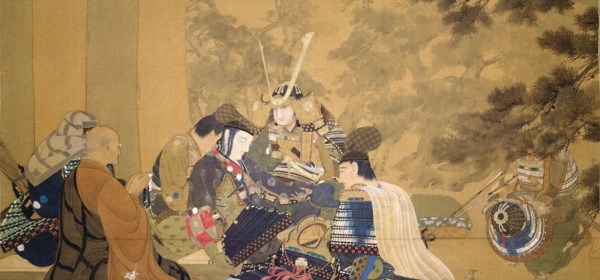
Written by Yin-Chen Kang. This year marks the 76th anniversary of the February 28 Incident, also known as the 228 Incident. Occurring 76 years ago, this event was sparked at the end of February, leading to the KMT military’s brutal campaign in March against those they considered dissidents, resulting in the slaughter of numerous civilians. This marked the beginning of an extended period of White Terror. While the incident profoundly impacted Taiwanese society, many people may not be aware of the significant consequences of the 228 Incident and the ensuing White Terror on the development of modern Taiwanese theatre.

Hybrid Taiwanese Opera: The Vitality of “Opeila”

Written by Jasmine Yu-Hsing Chen. In Taiwan, outdoor Taiwanese opera performances next to temples have been essential to Taiwanese religious traditions for decades. Most troupes adhere to the etiquette of performing “classical plays for matinees and opeilas for evening performances.” Unlike performances in the afternoon, which are mostly classical repertoires based on books and legends, evening performances are always energetic. With the accompaniment of an electronic piano and jazz drums, the actors on stage sing pop songs and dress in shining sequin robes, fancy suits, or colourful Japanese costumes. This hybrid performance style has been called “opeila” (oo-phiat-a), which is phonetically adapted from the Japanese pronunciation of “opera” (o-pe-ra オペラ) in Taiwanese. This unique subgenre of Taiwanese opera has livened memories in numerous Taiwanese people and is one of the most concrete testimonies of vital Taiwanese culture.

Innovating Tradition: The Interdisciplinary Practice of “Bodehi” Glove Puppetry Theatre in Taiwan 

Written by Chih-Ching Chester Tsai. Bodehi, Budaixi, or literal translation cloth sack theatre​ (布袋戲), is a form of traditional puppetry theatre in Taiwan. It was brought to Taiwan by early immigrants from southeast provinces of China during the Qing Dynasty. It has since developed into a unique form of theatre infused with local style and would later grow into one of the unofficial symbols of Taiwanese culture.​ 

Taiwanese Theatre as a Keyword: Publications in 2022 

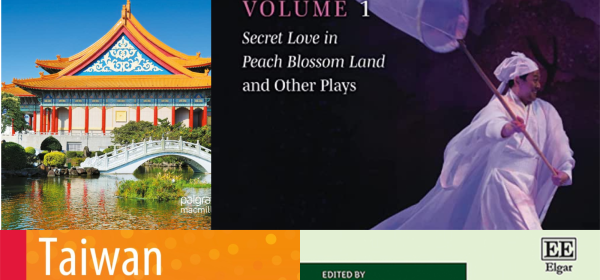
Written by Yuning Liu. “Taiwanese drama/theatre/performance” as a keyword is unfortunately not a prevalent term in Anglophonic academic circles. However, 2022 can indeed be considered a fruitful year in Taiwan’s play translation and theatre research. In this article, I review the research focusing on Taiwanese drama/theatre/performance published in 2022. As a theatre scholar, my goal is not only to raise awareness of Taiwanese theatre studies but, more importantly, to consider how to take Taiwanese theatre research beyond the framework of regional theatrical studies and find more possibilities for dialogue with global audiences and theatre studies scholars.  

The Intercultural Resonance between Taiwan and Q: A Night at the Kabuki (2022) 

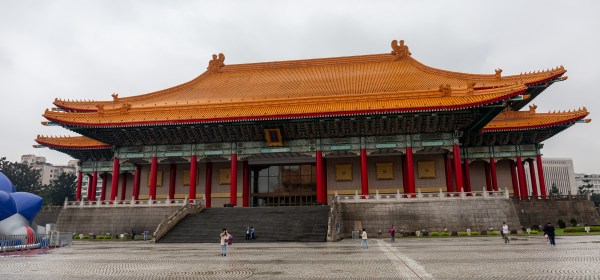
Written by An-Ru Chu. In the second half of 2022, when Taiwan was gradually relieved from the waves of omicron subvariant-induced outbreak, the country experienced an unprecedentedly large quantity of theatrical productions and cultural events since many of them should have been presented earlier but rescheduled because of the pandemic. Meanwhile, a Japanese staged play, ​Q: A Night at the Kabuki, broke National Theatre (NT) box office record in Taipei. NT sold 12,000 tickets in merely twenty minutes for the first time in thirty-five years. When applauding the artistic achievement of the play per se, most posts also mentioned the following two aspects: first, the strong emotions evoked by seeing one of the leading actresses, ​​​​Takako Matsu, in person, which echoes how the show had extensively grabbed the media’s attention since last May.

2022 Taiwan Theatre Report: Coronavirus, Chaos, Challenges, and Changes

Written by Yi-Ping Wu. How would people of the future think of the theatre of Taiwan in 2022? A year haunted by the Coronavirus pandemic? A year in which the international situation was overshadowed by the Russian-Ukranian war? What are some lessons we learned in the past year? Undeniably, 2022 was a rapidly changing and challenging year for the Taiwanese. As to the field of theatre, 2022, in my perspective, could be recognised as the year of “change” due to the following characteristics. 

1 2