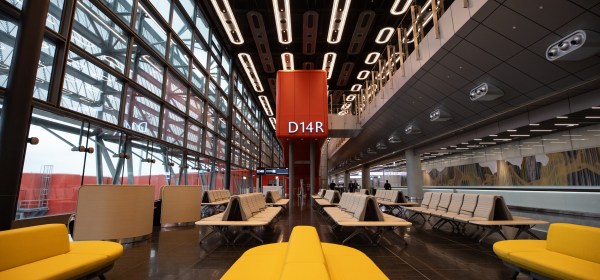
From Martial Law to Open Skies: The Politics Embedded in Taoyuan Airport’s Architecture, and now shaped by a British Vision 

Written by Gahon Chiang. The northern concourse of Taiwan Taoyuan International Airport’s Terminal 3 opened on 25 December 2025, signifying progress from martial law to democracy. This terminal’s design emphasises openness and passenger mobility, contrasting the enclosed layouts of earlier terminals. The evolution of the airport reflects Taiwan’s broader democratic transformation, reshaping citizen-state relations.
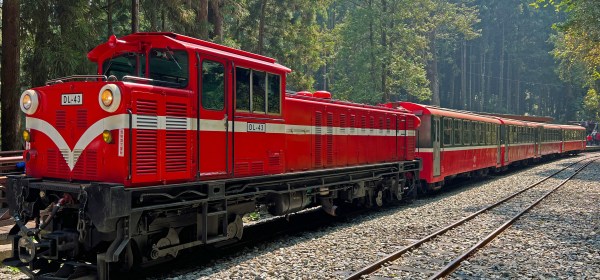
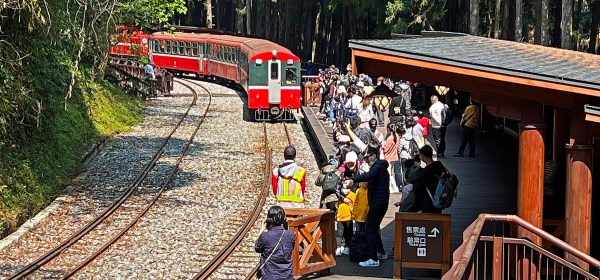
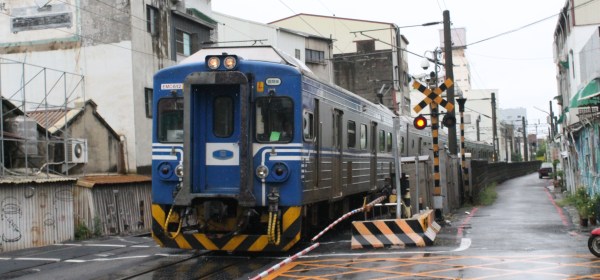
Diplomacy on Rails: Strengthening Taiwan-Japan Relations Through Railway Culture

Taiwan and Japan use railway diplomacy to strengthen cultural and technological ties through heritage preservation, tourism, and smart rail innovation. Unlike China’s debt-driven projects, their approach prioritises sustainability and soft power. Expanding collaborations into Southeast Asia and integrating AI-driven rail systems will enhance their influence in the Indo-Pacific region.

Tracks of Influence: How Taiwan’s Railway Heritage Fuels Soft Power

Written by Tang Meng Kit. Taiwan’s railway heritage, originating from its Japanese colonial past, has transformed into a vibrant symbol of soft power. Through thoughtfully curated museums, cultural events, and international collaborations, particularly with Japan, Taiwan weaves history and innovation into a compelling narrative. This approach not only nurtures cultural exchange and tourism but also reinforces Taiwan’s resilience and evolving national identity on the global stage.

Teaching Instruction Manual of Safe Cycling in Taiwan: A Critical Discourse Analysis

Written by Yi-Ting Lu. This article introduces and examines the “Safe Cycling” manual for school teachers and parents in Taiwan. The author argues that while it emphasises cyclists’ responsibilities, the manual neglects children’s unique needs and perceptions. It is recommended that future revisions should empower children and foster a positive image of cyclists to enhance safety.