How placement in Kew led us to the world: paving the route to our PhD

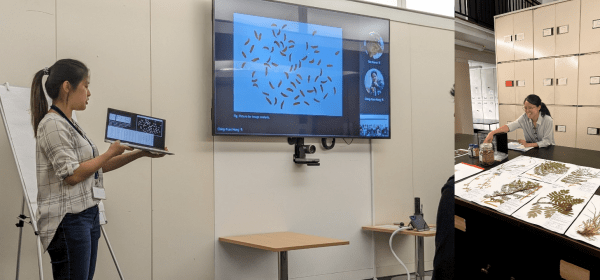
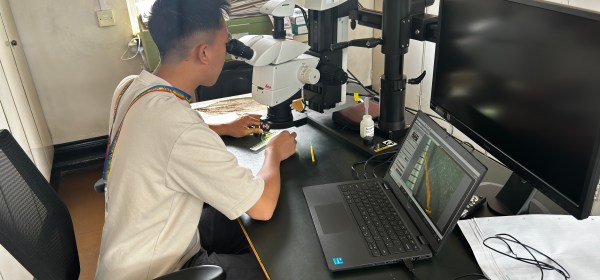
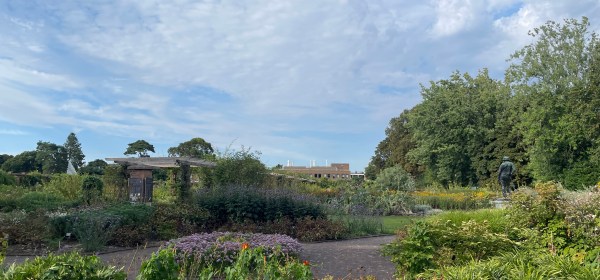
Written by Ching-yuan (Joy) Hung and Mu-Chen (Jenny) Liu. This article tells the shared journey of two NTU graduate students who interned at the Kew Gardens. Immersed in diverse experiences, including seed imaging, herbarium tours, and a culture of scientific exchange, they found renewed purpose in research, which led both to reimagine their paths toward doctoral studies and global collaboration.

At Different Stages, the Same Roots: How Kew Gardens Shaped Our Path in Plant Science 

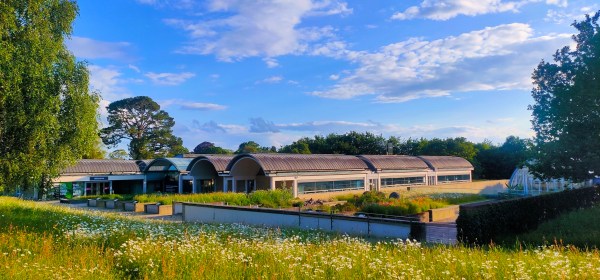
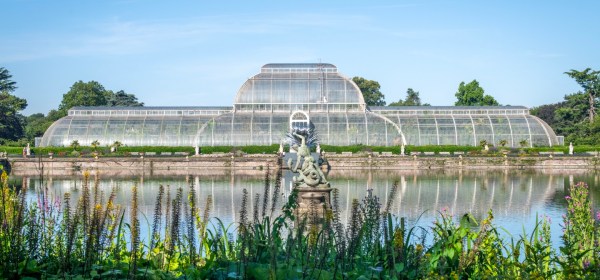
Written by Ni-Chen Lin and Chih-Wei Hsieh. Two NTU students, Ni-Chen and Chih-Wei, joined Kew’s Millennium Seed Bank through the NTU Overseas Internship Programme. Their experiences, studying seed survival and tree seed diversity, broadened their global perspectives on conservation. Returning to Taiwan, both apply Kew’s collaborative, research-driven values in academic and governmental roles.

Connecting Science and Society: Reflections from the Placement Based on a Citizen Science Initiative at Kew

Written by Ssu-Han (Evelyn) Chiu. This article recounts the author’s 2024 internship at Kew Gardens. Working with Kew’s Science Education Team, the author explored citizen science initiatives, attended the International Botanical Congress, and co-organised a workshop on public engagement, which reshaped the author’s understanding of collaboration, communication, and innovation in global plant science.

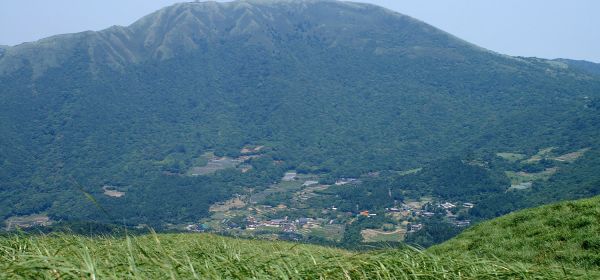
From Co-Learning to Co-Production: Building an Innovative Satoyama Network along Taiwan’s North Coast 

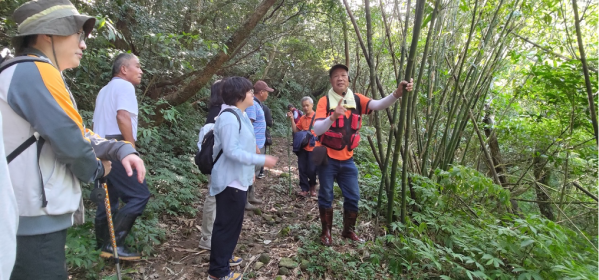
Written by Hsin-Hsun Huang. Addressing rural challenges, the Northern regional exchange base of the Taiwan Partnership for the Satoyama Initiative (TPSI-N) focuses on connecting people to Taiwan’s Satoyama landscapes to achieve sustainability. By cultivating relational values through school partnerships, inter-partner co-creation, and inviting external engagement, it empowers local communities. It preserves vital environments for the benefit of both residents and broader society.

From Conservation to Governance: Advancing Connectivity through Nature-based Strategies within the Taiwan Ecological Network 

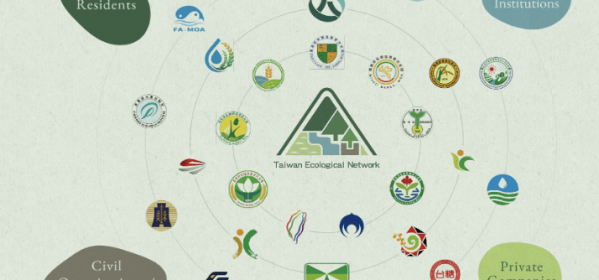
Written by Hwa-Ching Lin, Chih-Chin Shih, Hsiao-Tien Hsieh, and Chia-Tzu Chen. This article explores how Taiwan’s conservation vision has broadened from isolated reserves to an island-wide ecological network. Through data-driven planning, nature-based strategies, and cross-sector cooperation, the governance model contributes to ecosystem services that are essential to public safety, human well-being, and sustainable economic development.

Rukai Tribe’s Millet Farming: Indigenous Knowledge and Climate Change Adaptation Wisdom 

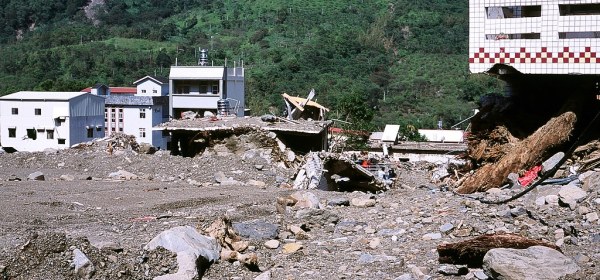
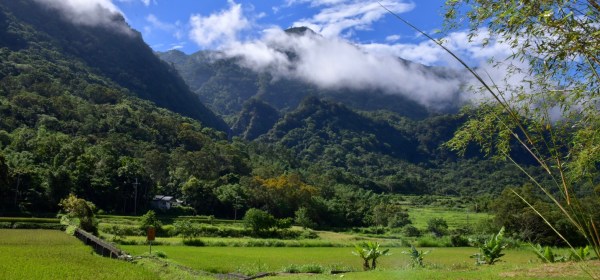
Written by Tzu-Ming Liu. The article discusses how the Rukai tribe’s traditional millet intercropping system not only sustains their food security and cultural heritage but also serves as an effective adaptation strategy to climate change. It also critiques government policies and economic shifts that have neglected these Indigenous practices, leading to environmental injustice and increased vulnerability to extreme weather events.

Conservation and adaptation go hand in hand: on the role of Taiwan Ecological Network in fostering resilient landscapes and seascapes 

Written by Paulina G. Karim and Kuang-Chung Lee. This article discusses how the Taiwan Ecological Network integrates conservation and adaptation strategies to build resilient landscapes and seascapes in the face of climate change, biodiversity loss, and pollution. The authors highlight community-based resilience assessments and adaptive co-management practices, demonstrating the role of Indigenous and local knowledge in safeguarding both ecological systems and community well-being in Taiwan’s socio-ecological production landscapes and seascapes.

The New AI (Artificial Indigeneity): The Rise of Speculative Indigenous Fiction in Taiwan

Written by Ti-han Chang. This article explores a literary landscape where unique Austronesian cultural references blend with fantastical narratives of speculative realism which has given rise to a groundbreaking subgenre in eco-literature, Speculative Indigenous Fiction, in Taiwan. The author calls the new wave of fictional writing the new AI—‘Artificial Indigeneity’.

TACPS Cultural Petition to the 2024 Presidential Election: The Sustainability of Culture and Democratic Governance in Taiwan

People are the mainstay of Taiwan’s culture, and “freedom” is at the centre of people’s thoughts and creations. Since the early 2000s, Taiwan has undergone a series of citizen-led cultural reforms, including a series of citizens’ cultural movements from 2000 to 2010 (such as the advocacy for community development and multicultural policies), the establishment of the Ministry of Culture in 2012, the National Cultural Conference in 2017/2022, and the White Paper on Cultural Policy in 2018. With the promotion of the Cultural Fundamental Act in 2019, Taiwan has, on the one hand, established the prototype of the country’s “cultural governance” system and civic and cultural awareness, and on the other hand, demonstrated its uniqueness in practising sustainable cultural democracy and participatory cultural governance among the global society.

1 2