Facing the Uncertainty of Trump’s Taiwan Policy: Taiwan’s diplomatic, economic, and military approaches to address the significant challenge

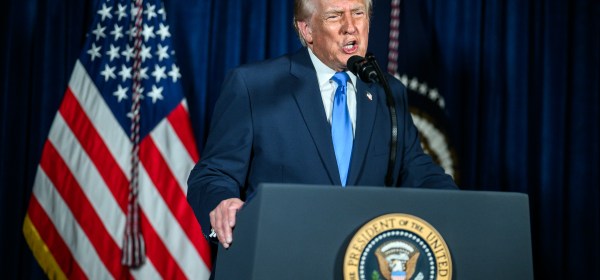
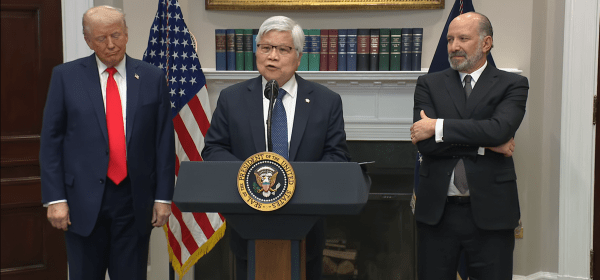
Written by Baosheng Guo. This article analyses Taiwan’s options in the face of Trump’s uncertain and unpredictable Taiwan policy. It suggests that Taiwan should urge the US to provide strategic clarity and strengthen its relationship with Europe. Taiwan should also weaponise the interdependence of its semiconductor industry with the US and prepare to restart its research and development of nuclear weapons.

The Unresolved Housing Problem in Taiwan 

Written by Yi-Ling Chen. This article traces Taiwan’s housing transformation, arguing that the state’s role remains central, and that its interventions have facilitated commodification, speculation, and inequality in Taiwan’s housing sector. It calls for restoring housing’s use value and reimagining it as a basic necessity. 

Introduction to The Topical Section on ‘Transitions and Challenges in Taiwan’s Economy and Society’ 

Written by Zong-Rong Lee and Thung-Hong Lin. This article introduces the Taiwan Insight–IJTS special issue on the Topical Section “Transitions and Challenges in Taiwan’s Economy and Society.” Initiated as an open invitation to scholars worldwide, the Topical Section reflects on Taiwan’s economic transformation, convening debate on structural shifts, their consequences, and the pressing challenges shaping Taiwan’s future. 

Lesson from India-Pakistan: Weaponisation of Chokepoints

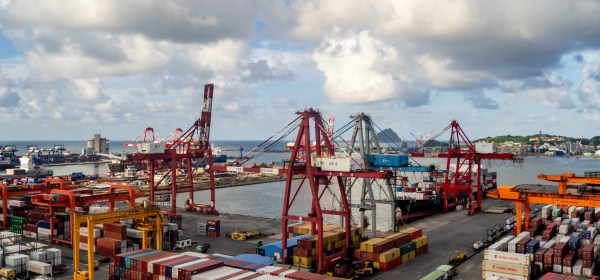
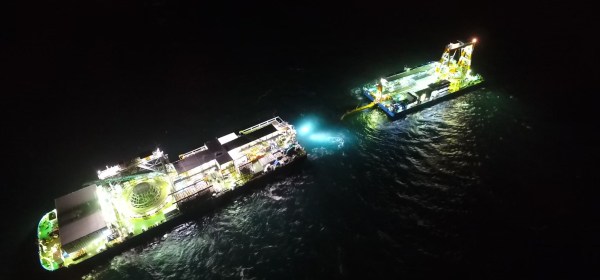
Written by Ritika Passi. The article discusses the weaponisation of different chokepoints, using the India-Pakistan water dispute as a case study. It applies these insights to Taiwan, underscoring its vulnerabilities in the Taiwan Strait for trade and subsea cables for data. The author emphasises the need for Taiwan to enhance its economic security and resilience against potential disruptions.

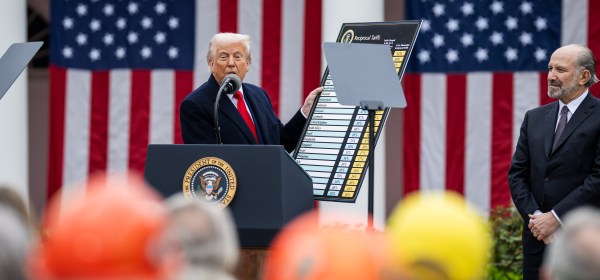
The Impact of Trump’s Tariff Policy on Global Trade and Its Geopolitical Ramifications

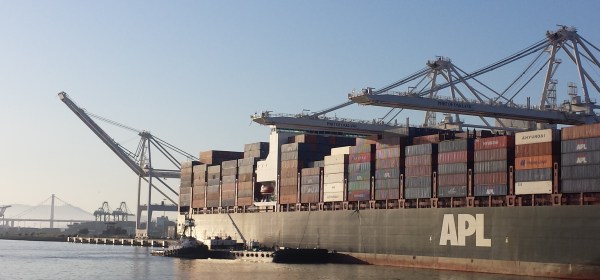
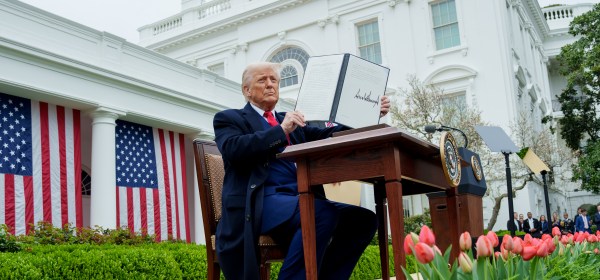
Written by Peter C.Y. Chow. This article assesses the impact of Trump’s tariffs from a global trade perspective. It argues that the effects of tariffs in reducing trade deficit remain indeterminate. Applying it to all trading partners will affect US relations with its allies, including Taiwan, and challenge the rules-based trade system that the US nurtured since the end of World War II. 

The Impact of Trump’s Recent Tariffs on Taiwan’s Trade, Investment, and Economic Prospects

Written by Alexander C. Tan. This article argues that Taiwan finds itself in a uniquely vulnerable position in the shifting landscape of international trade. The Taiwanese economy is heavily reliant on international trade. Taiwan is also excluded from major regional trade agreements such as the RCEP and CPTPP, limiting its options for diversifying trade relationships and mitigating the impact of tariffs.

TSMC: The Enduring Silicon Shield of Taiwan’s Economy

Written by Min-Hua Chiang. This article argues that the TSMC will continue to be Taiwan’s silicon shield, despite its US$100 billion investment pledge in the US, as most of the more advanced chips will be fabricated in Taiwan. That is also why Taiwan faces challenges from the US tariff threat in the near term. TSMC remains Taiwan’s best chip in its negotiations with the US.

Trump’s Tariffs 2.0: New Effects and Implications to Taiwan

Written by Guan-Yi Leu. This article analyses the effects of Trump’s tariffs on Taiwan economically and geopolitically. The main concern in Taiwan was the uncertainty and unpredictability caused by the policy. It also discusses Taiwan’s response to it, both in terms of government and businesses. Taiwan’s economy has shown resilience amidst geopolitical risks and has weathered previous conflicts.

Trump, Tariffs and Taiwan – walking a tightrope

Written by Michael Reilly. This article argues that the implications of Donald Trump’s tariffs for Taiwan are much more serious than a potential 0.43% hit to its GDP growth because the US and China are its two largest export markets, placing Taiwan on the front line of the trade war. Nevertheless, the choices of Taiwan are likely to be forced upon it by the decisions of American companies.

1 2 3 5