The national Committee on Climate Change: Also a security issue  

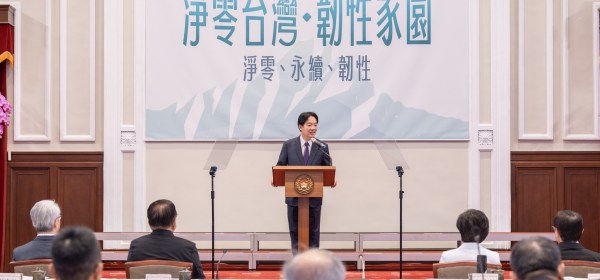
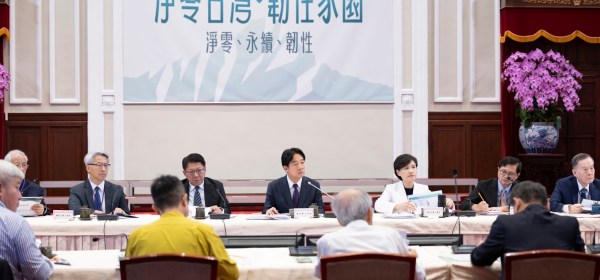
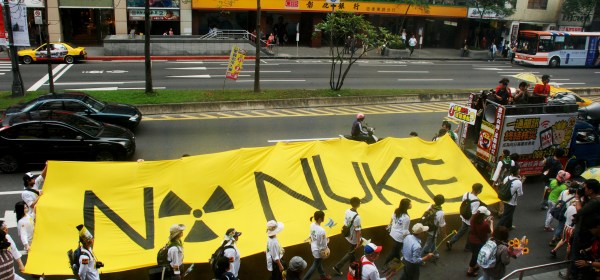
Written by Paul Jobin. This article discusses the challenges and strategic priorities of Taiwan’s national committees placed in the Presidential Office, addressing the issues of climate change, defence resilience, and health. This article reviews the first meeting of the National Climate Change Response Committee to assess the government’s stance on nuclear energy, the priorities of different stakeholders in climate policy, and the potential synergies with Taiwan’s defence and health strategies.  

Mastering Science, Technology and Society: Developing Taitung’s Perspective 

Written by Eric Siu-kei Cheng. Science and Technology Studies (STS) is an interdisciplinary field that explores the co-production between technology and society. Taiwanese scholars adopt the lens of STS to explore diverse topics and provide critical insights to public policies and social activism. The upcoming 2024 annual meeting of the Taiwan STS Association, to be held in Taitung City, will focus on the theme of “rhythm,” exploring the role of time, temporality, and timing in the context of STS.

Taiwan’s 2024 Presidential Candidates: How Do They Fare on the Climate?  

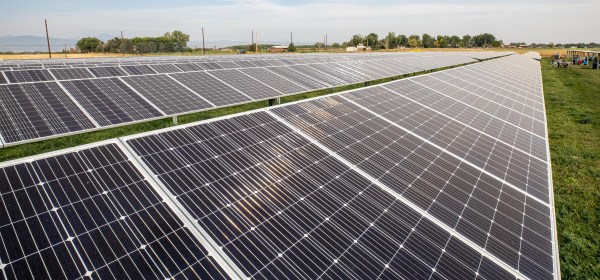
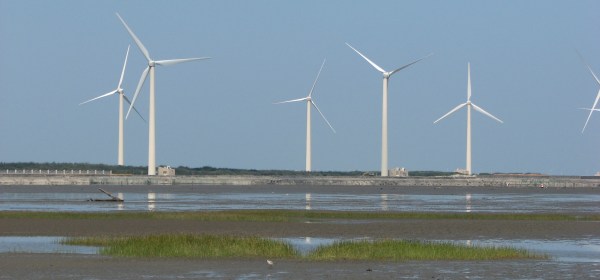
Written by Chia-wei Chao & Benjamin Yang. When it comes to the climate, all three candidates in Taiwan’s upcoming presidential election have emphasised the importance of taking action and committed to achieving net-zero emissions by 2050. The main driver behind this mainstreaming of climate policy is the fact that supply chain requirements have made the country’s export competitiveness highly connected to climate performance. Therefore, we must scrutinise the comprehensiveness of each candidate’s policy proposals, rather than solely relying on whether they are climate denialists, to distinguish their positions. Taiwan Climate Action Network (TCAN), a collaborative advocacy platform organised by five NGOs, has thus produced a climate commitment tracker to compare their positions on seven key climate-related policies: (1) 2030 emissions reduction target, (2) carbon pricing strategies, (3) 2030 power mix, (4) renewable energy development plan, (5) industrial decarbonisation, (6) public participation, and (7) just transition. In this article, we will focus specifically on their 2030 pledges, carbon pricing strategies, and just transition policies.

Indigenous Post-Disaster Decision-Making Mechanisms and Negotiation Strategies of Traditional Women Leaders 

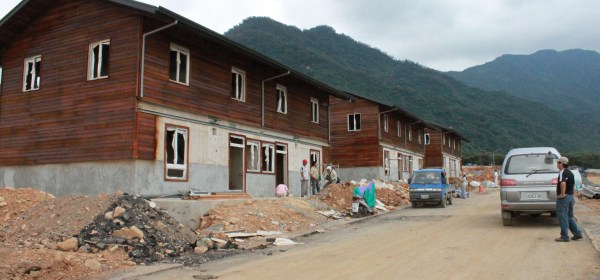
Written by Valagas Gadeljeman; translated by Yu-Chen Chuang. Since Typhoon Morakot, the government and academia have not thoroughly explored why Indigenous knowledge is fading and why Indigenous adaptation is becoming more difficult for Indigenous communities. Why can’t Indigenous people have the same freedom and right to choose where their tribe lives as they once did? What policies and laws have limited their ability to move freely? In short, there’s a lack of Indigenous perspectives in Taiwan’s post-disaster recovery discussions, especially when it comes to the importance of ancestral traditional territories. In this article, I’ll discuss the traditional decision-making processes and negotiation strategies in Indigenous communities, with a focus on Paiwan women leaders’ insights. 

1 2 3 4