After Fukushima, Japan is Re-investing in Nuclear. Why Won’t Taiwan?

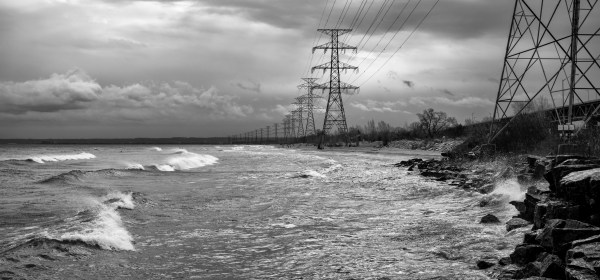
Written by Lena McEachern. This article argues that Taiwan should reinvest in nuclear energy for its energy security in the current geopolitical climate. It is also a relatively environmentally clean energy source. Although the referendum to open Maanshan reactor did not reach the legal threshold necessary to pass, the DPP should build momentum towards restarting decommissioned reactors.

KMT Likely to Cry Foul Over Referendum Decision by Central Election Commission

Written by Brian Hioe. The Central Election Commission (CEC) has approved a referendum on resuming operations for the recently shuttered Ma-anshan nuclear power plant, while rejecting a referendum on capital punishment. Although the KMT pushed for both referendums as part of its electoral strategy, it did not appeal to the general public with either referendum, perhaps reflecting weakness of the KMT at the local level.

V4-Taiwan Industrial Cooperation as a Strategic Response to a Shifting Global Order

Written by Filip Křenek. The EU faces new dependencies on U.S. LNG and Chinese clean tech, with the Visegrád Four (V4) particularly exposed to these pressures yet well-positioned to benefit from the green transition. This article argues that Taiwan is advancing its energy transformation and technological edge amid rising geopolitical tensions, creating opportunities for V4-Taiwan collaboration.

De-risking the Next Generation Solar Supply Chain: the Taiwan-EU Potential Collaboration 

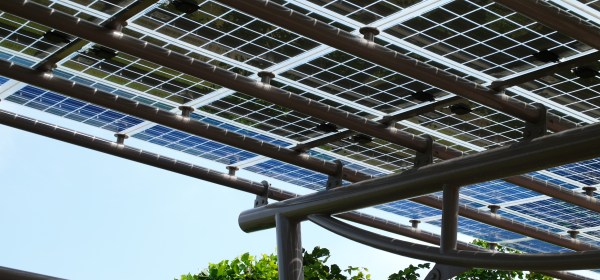
Written by Yu-Ping Yang. Facing China’s dominance in the solar panel market, the EU is exploring perovskite solar cells (PSCs) as a strategically important alternative to diversify its supply chain and reduce reliance on China-controlled materials and manufacturing. This article examines the strategic advantages of PSCs and Taiwan’s potential role in building a resilient PSC supply chain for the EU.

Adding Turbulence to the Turbulent Region: Cooperation Between Western Balkans, China, and Taiwan

Written by Stefan Vladisavljev and Damir Dizdarević. The Western Balkans face the challenge of balancing growing Chinese influence with the need for diversified and resilient partnerships to support their green transition. While limited by diplomatic constraints, Taiwan offers a strategic alternative through cooperation in clean energy and technology that aligns with democratic values and enhances supply chain security.

The Power of “Taiwan Can Green”: Energy transitions as a discursive response to Cross-Strait Geopolitical Tensions 

By Anthony Ho-fai Li. This article explores why the Democratic Progressive Party (DPP) has been so committed to the aggressive target of domestic solar energy installation despite intensified controversies since 2016. It argues that its commitment goes hand in hand with enhancing its ideational power through the narrative of “Taiwan can green,” which helps Taiwan navigate the escalating cross-Strait geopolitical tensions and the DPP to cope with domestic political challenges.

Navigating Geopolitical Turbulence with Taiwan’s Energy Transition Policy 

Written by Yun-Ling Ko and Chia-Wei Chao. Taiwan’s reliance on imported fossil fuels presents a critical energy security vulnerability and makes a transition to renewable energy a vital pathway to greater national resilience. This article argues that developing domestic renewable energy and strategically addressing supply chain dependencies are crucial for Taiwan to enhance its energy and national security in an evolving geopolitical landscape.

It’s Getting Serious: Taiwan’s Phasing Out of Nuclear Energy and Furthering its Transition to Green Energy

Written by Josie-Marie Perkuhn. On 17 May 2025, Taiwan shut down its last nuclear power plant, ending nearly five decades of nuclear energy use. While the government promotes renewables and sustainability, rising energy demands, heavy fossil fuel dependence, and geopolitical risks challenge its green transition. Civil society and innovation remain key drivers forward.

1 2 3 4