
Written by Chee-Hann Wu. During the Bluebird Movement, demonstrators used diverse, creative, and aesthetically pleasing signs that referenced pop culture to convey political messages and advocate for democracy.
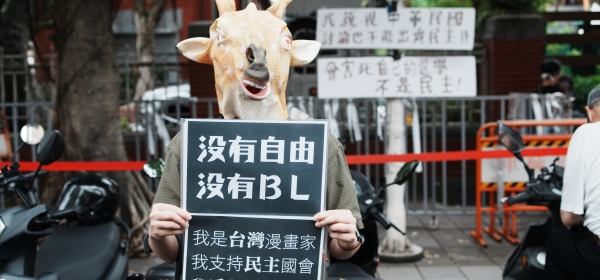
Written by Chee-Hann Wu. During the Bluebird Movement, demonstrators used diverse, creative, and aesthetically pleasing signs that referenced pop culture to convey political messages and advocate for democracy.
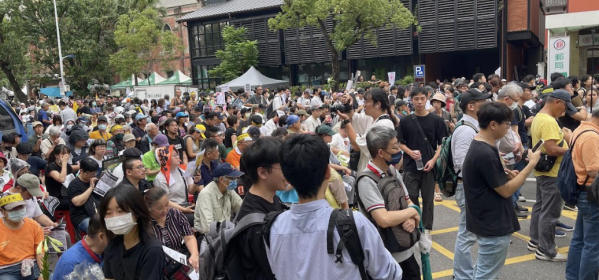
Written by Alan H. Yang. In May 2024, up to 100,000 people protested on Qingdao East Road, Taipei, against amendments to the Act Governing the Legislative Yuan’s Power, arguing these changes could expand legislative authority and undermine democracy. The protests saw significant involvement from the younger generation and led to the “Bluebird Action,” which leveraged digital technology for mobilisation.
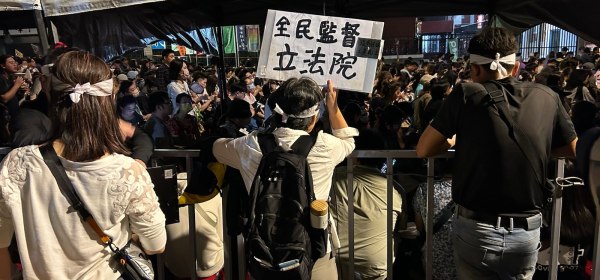
Written by Brian Hioe. This article compares the Bluebird Movement to the 2014 Sunflower Movement, emphasizing how both large-scale protests were fundamentally driven by concerns over China’s influence rather than purely about domestic issues.
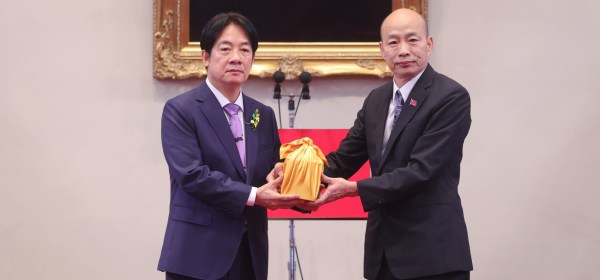
Written by Gunter Schubert. On May 20, Lai Ching-te became the fifth popularly elected president of the Republic of China, facing numerous challenges as Taiwan’s legislature’s lack of compromise hampers effective policymaking and risks paralysis. This article emphasizes the need for a culture of compromise and responsible political competition in Taiwan’s democracy.
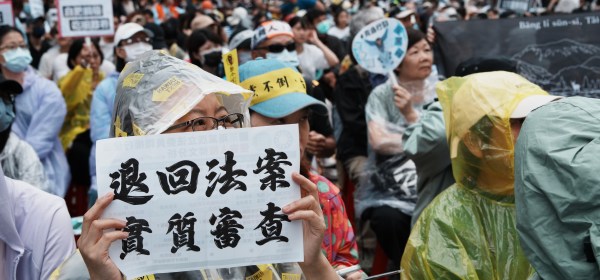
Written by Dung-Shiu Yu. The Bluebird Movement in Taiwan, protesting against legislative reforms, has gained international attention. This article highlights a powerful display of intergenerational support and grassroots activism, the “grandparents’ topping-up participation.”
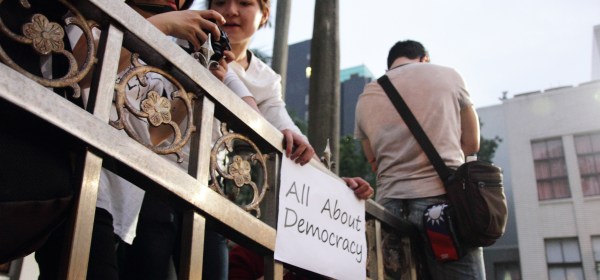
Written by Min-Yuan Hung. This article explores the evolution of democracy in Taiwan through key protest movements, highlighting that protecting the democratic way of life is a critical motivation for citizen activism in Taiwan. This narrative is essential to the Bluebird Movement and should not be overlooked.
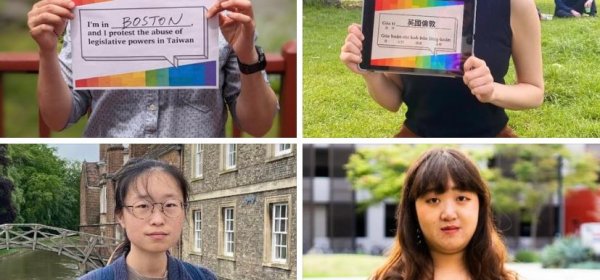
Written by the Overseas Taiwanese Solidarity Against Legislative Power Abuse. A group of overseas Taiwanese formed a solidarity movement against legislative power abuse in Taiwan, addressing concerns about the opaque legislative process, subversion of the Constitution, and its detrimental impact on Taiwan’s stability and sovereignty. They aim to gather the collective voices of overseas Taiwanese, create constant pressure on the Legislative Yuan, and stand in solidarity with all the protesters in Taiwan.
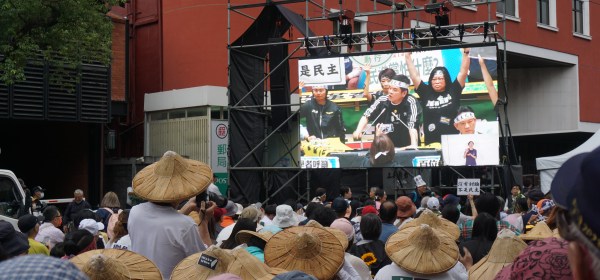
Written by You-Hao Lai. This article critically examines the procedural and substantive constitutional issues raised by Taiwan’s recent legislative reform, focusing on how the expansion of legislative power may undermine Taiwan’s democratic principles and impact the rights of private entities.

Written by Raian Hossain. This article analyses President Lai’s speech from geopolitical and domestic perspectives, focusing on democracy as a roadmap for Taiwan, Lai’s vision for cross-Strait relations and domestic agendas for Taiwan. It concludes that despite being bolder than Tsai in 2016, the speech was very status quo-maintained driven.
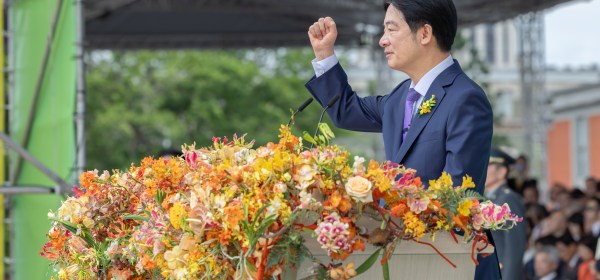
Written by Huynh Tam Sang. This article reviews President Lai address’ focus on peace and democracy amidst multiple challenges facing the new president. In particular, the lack of majority in the Legislative Yuan could proved to be a barrier to unity in terms of domestic reforms and foreign policy. His experience and statecraft is demanded to navigate the early days of the administration.

Written by Yu-Ching Kuo and Chun-Yi Lee. With limited access to the physical public sphere, the COVID-19 pandemic has made digital democracy more vital than ever. This article examines the challenges and opportunities of its adaptation in post-pandemic Taiwan, especially on the relationship between digital protection and citizens’ privacy.

Written by Frédéric Krumbein. Han Guo-yu is arguably the most definitive example of a populist in Taiwan. This article reviews his quick rise and fall and the media narratives of him and reflects on whether Taiwan is a hard place for populists to succeed.
 Taiwan Insight