Who Is Taiwanese: Rejection or Redefinition?

Written by Meng Kit Tang. This article explores the evolving debate over Taiwanese identity, contrasting two models: the rejectionist approach and the redefinition model. It examines the implications of each model for domestic cohesion, diplomacy, and national resilience, arguing that a redefinition approach provides Taiwan with a stronger foundation to navigate internal polarisation and external pressures.
Hopeful Reset or Regression? Cheng Li-wun through the eyes of younger Taiwanese

Written by Aleksandrs Gross. This article examines Cheng Li-wun’s leadership through the eyes of the younger generation. Not only did her statements on identity and Taiwan’s future fail to resonate with younger people, but she also failed to address livelihood issues such as high housing prices, inflation and employment pressure, which are seen as the most critical issues for younger Taiwanese.

Cheng Li-wun’s Victory: A New Chair for an Old Party

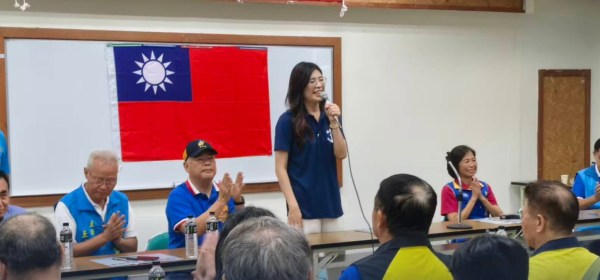
Written By Paula Perez. This article analyses the promises and positions of Cheng Li-wun. It argues that Cheng offers nothing new in terms of its identity claims and the 1992 Consensus and questions who is the audience Cheng is speaking to. However, she brings something other leadership candidates did not, personifying the redemption of a generation who she claims is misled by de-Sinicised education.

When the Waters Rose, So Did Taiwan’s People

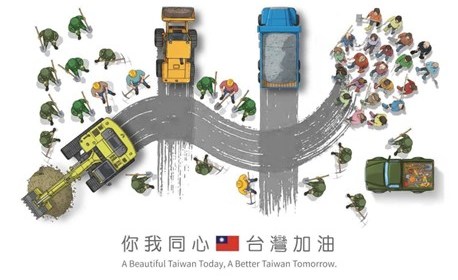
Written by Meng Kit Tang. This article reflects on Taiwan’s remarkable civic response to the 2025 Hualien floods, where thousands of volunteers, faith groups, and ordinary citizens mobilised overnight. The essay ultimately suggests that Taiwan’s story offers lessons not just for its own politics, but also for neighbours and rivals alike: that true strength and attraction emerge not from control, but from authenticity.  

Indigenous Identity in Taiwan’s Contemporary Cinema: From Screen to Self

Written by Ana Paloma Martínez Gómez. This article explores how Indigenous identity is portrayed on screen and how film supports cultural revitalisation and self-representation through a decolonial and gendered lens. As a new Taiwanese national identity emerges, the gap between official recognition and ongoing cultural marginalisation reveals the complex space Indigenous communities occupy.

Be Water: The Dragon’s Identity and Pride Flow Across Borders

Written by Meng Kit Tang. This commentary explores how Bruce Lee’s legacy offers a compelling, non-political model for redefining Chinese identity in Taiwan.  By reframing Chinese identity as values-based, Lee serves as a bridge across generations, borders, and political divides. The article proposes civic and youth-centred initiatives that leverage Lee’s enduring appeal to foster intergenerational confidence, cross-cultural empathy, and peaceful dialogue in the Taiwan Strait.

To Be Chinese, Truly — Beyond Flags and Borders

Written by Meng Kit Tang. In an era where Chinese identity is increasingly politicised and weaponised by state actors, this article argues for a re-centring of Chineseness around civic virtue, cultural continuity, and ethical striving. Taiwan, by embracing freedom and cultural plurality, emerges as a living laboratory for a more inclusive, moral, and modern understanding of what it means to be Chinese today.

Fists of Identity: How Martial Arts Reflect the Complex Ties Between Taiwan and China

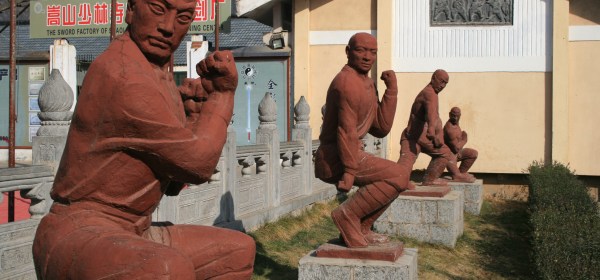
Written by Mark Gerard Murphy. This article reflects on the intersection of Chinese martial arts and nationalism in both Taiwan and Mainland China. It demonstrates how martial arts were closely tied to nationalist sentiments in different periods of history of both, but each followed distinct paths of development that reflected their respective cultural pride and national identity.

“Chinese Taipei” or “Team Taiwan”? Exploring Sport and National Identity in Contemporary Taiwan

Written by Daniel Yu-Kuei Sun. This article explores the usage of two terms representing Taiwan’s national team, “Team Chinese Taipei” or “Team Chunghwa” and “Team Taiwan”. It observes a gradual shift in traditional media outlets and social media platforms to use the latter. This identity was best articulate in baseball as it is a uniquely Taiwanese sport with marginal presence in Mainland China.

Olympics Continue to Serve as a Stand-in for Identity Contestation

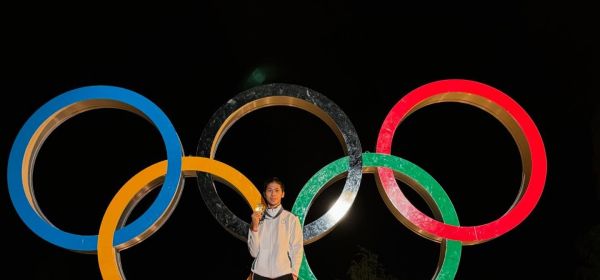
Written by Brian Hioe. This article explores the way in which the Olympics served as a stand-in for contestation about national identity in Taiwan. It compares the 2024 Olympics in Paris with previous Olympics, in response to the national referendum in 2018 on the name of Taiwan’s Olympic team and growing support for the status quo and progressive political values among young people.

Political Implication of Olympic Formula for Taiwanese Spectators in the Stands

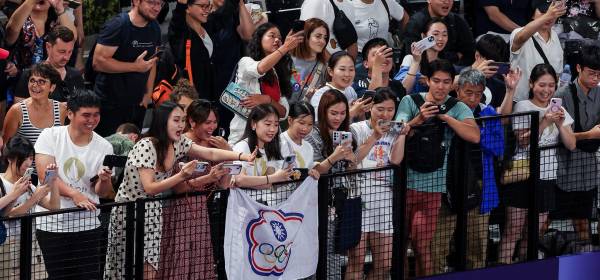
Written by Junwei Yu. This article highlights the political implication of the Olympic Formula of Chinese Taipei for Taiwanese spectators in the stand. The IOC regulations for spectators are relatively vague and that allow different handling of Taiwanese fans in various Olympics and sports events. This article reviews these incidents amidst increasingly assertive Taiwanese identity.

1 2 3 5