Building a Regional NGO Hub in Taiwan

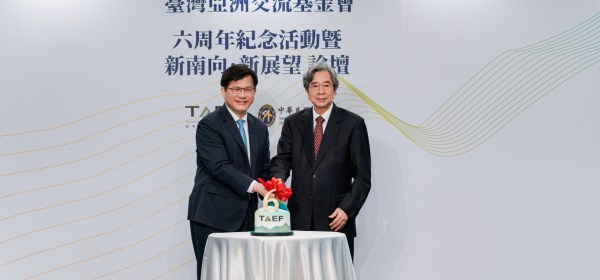
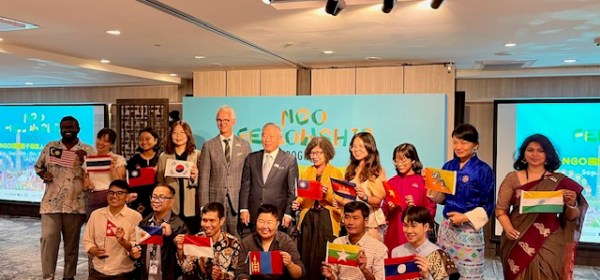
Written by Robert Wang. Over the past two years, with the support of AIT and MOFA as well as local NGOs, a Taiwan NGO alliance has successfully initiated a Fellowship Program to provide training for young NGO activists in the region and to create an NGO support network in Asia. It is important that this program be continued and expanded in order to strengthen civil societies and bolster democracies in the region.

Making History but Not as One Chooses: The Trump Administration and Challenges for US Taiwan Policy in an Era of Difficult Deterrence

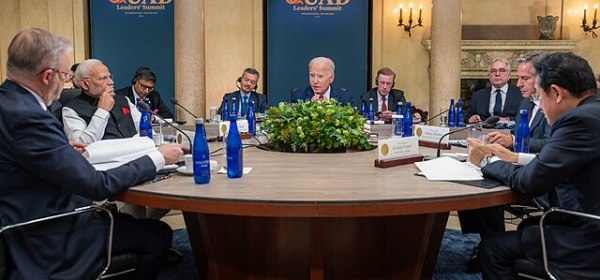
Written by Jacques deLisle. Amidst the focus on potential radical impact under the second Trump administration, this article examines some fundamental trends and challenges in US-Taiwan relations and US-China-Taiwan dynamics. The longstanding US policy of strategic ambiguity is becoming increasingly harder to hold and Taiwan’s capacity to navigate is waning. 

Taiwan in 2024: Geopolitical Uncertainties

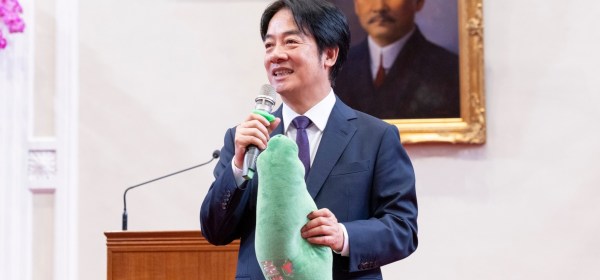
Written by Dr Chieh-chi HSIEH. This article argues that the path dependencies of the Taiwanese, US, Japanese, and South Korean governments encountered a change of political leadership in 2024, which created some uncertainties for Taiwan in 2025. They are compounded by the conservative stance of President Lai Ching-te towards President Trump since the latter’s election.

Taiwan in South Asia: Engagement, Opportunities & Constraints

Written by Raian Hossain. This article examines Taiwan’s relations and engagement in South Asia, with reference to the cases of India and Bangladesh. It argues that Taiwan has great potential in the region. Taiwan should strategise to interact with different South Asian countries based on their own merit and limitations and find areas of mutual interest to increase its regional footprint.

The U.S.-Taiwan Relations under Trump 2.0 

Written by Fang-Yu Chen. This article examines how a potential second Trump presidency could reshape U.S.-Taiwan relations, highlighting that while core policies may remain stable, Trump’s transactional approach and rhetoric could affect bilateral ties and public perception. It also emphasizes that Taiwan must strengthen its multi-faceted diplomatic strategies to maintain international support for Taiwan Strait issues, regardless of U.S. leadership changes.

How Will Taiwan Cope with Trump?

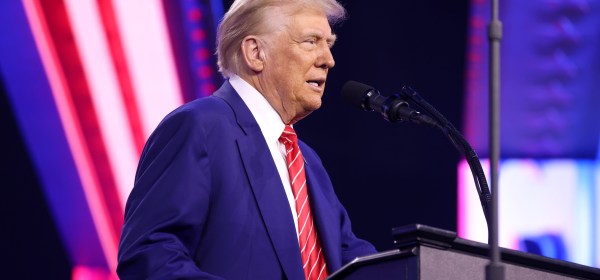
Written by Brian Hioe. This article discusses how can Taiwan responds to Trump’s election better than in 2016. Although the structural conditions remain the same, Taiwan may seek to reassure Trump on security, trade and industrial policy. Taiwan also needs a strategy to forge regional and international links to mitigate the uncertainty of a second Trump presidency.

The Porcupine Strategy: Taiwan’s Road to Self-Defense

Written by Dominika Remžová and Dominika Urhová. The article begins with the modernisation of China’s military and its implications for Taiwan’s defense strategies. It emphasises the need for Taiwan to adopt asymmetric warfare approaches amid increasing Chinese military pressures and to reform its armed forces. Taiwan’s reliance on its critical semiconductor industry is also highlighted, showcasing its strategic importance.

1 5 6 7 8 9 61