The U.S.-Taiwan Relations under Trump 2.0 

Written by Fang-Yu Chen. This article examines how a potential second Trump presidency could reshape U.S.-Taiwan relations, highlighting that while core policies may remain stable, Trump’s transactional approach and rhetoric could affect bilateral ties and public perception. It also emphasizes that Taiwan must strengthen its multi-faceted diplomatic strategies to maintain international support for Taiwan Strait issues, regardless of U.S. leadership changes.
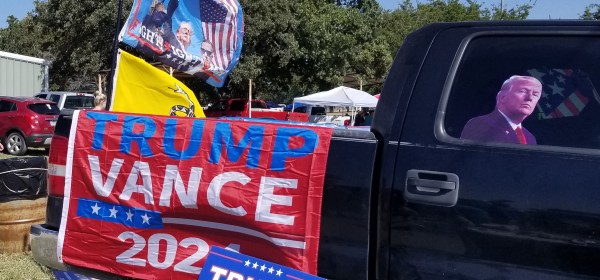
How Will Taiwan Cope with Trump?

Written by Brian Hioe. This article discusses how can Taiwan responds to Trump’s election better than in 2016. Although the structural conditions remain the same, Taiwan may seek to reassure Trump on security, trade and industrial policy. Taiwan also needs a strategy to forge regional and international links to mitigate the uncertainty of a second Trump presidency.

The Porcupine Strategy: Taiwan’s Road to Self-Defense

Written by Dominika Remžová and Dominika Urhová. The article begins with the modernisation of China’s military and its implications for Taiwan’s defense strategies. It emphasises the need for Taiwan to adopt asymmetric warfare approaches amid increasing Chinese military pressures and to reform its armed forces. Taiwan’s reliance on its critical semiconductor industry is also highlighted, showcasing its strategic importance.

The Promise of a Return to Taiwan in Recent Election Campaigns: Federated States of Micronesia, Solomon Islands, and Honduras 

Written by Jess Marinaccio. This article highlights the cases of the Federal States of Micronesia, Solomon Islands, and Honduras, where restoring diplomatic relations with Taiwan has become a talking point in election campaigns. While many analysts are concerned about Taiwan’s “diplomatic zero” situation, this article argues that the possibility of restoring broken diplomatic ties remains open for Taiwan’s recently departed allies.

Words of Influence: PRC terms and Taiwanese identity 

Written by Karen Huang. This article explores the growing use of PRC terms in Taiwan Mandarin and the social reactions to this trend. While some Taiwanese view this trend as a natural result of language contact, others perceive these terms as a form of cultural invasion. The debate among Taiwanese netizens reflects broader concerns about cultural identity, political influence from China, and the implications for younger generations in Taiwan.

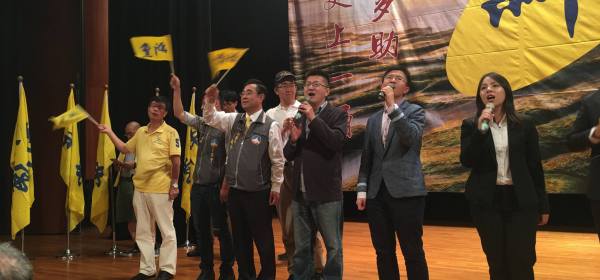
The Earth Thunders: A Preliminary Study of the New Party’s Ideological Transformation Through Its Lyrics’ Modification

Written by Jonathan Leung. This article examines the ideological transformation of the New Party through its theme song, The Earth Thunders. It argues that the party abandons the ROC identity and liberal ideologies and moves closer to China and Chinese nationalist sentiments. The slight modification of the lyrics portrays this counter-cultural move.

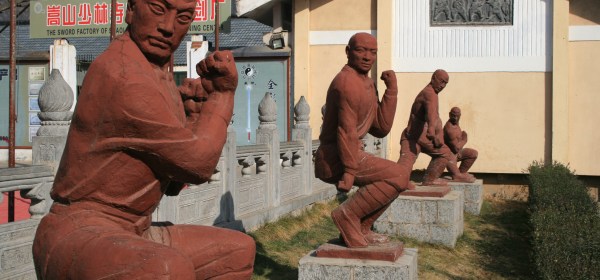
Fists of Identity: How Martial Arts Reflect the Complex Ties Between Taiwan and China

Written by Mark Gerard Murphy. This article reflects on the intersection of Chinese martial arts and nationalism in both Taiwan and Mainland China. It demonstrates how martial arts were closely tied to nationalist sentiments in different periods of history of both, but each followed distinct paths of development that reflected their respective cultural pride and national identity.

1 6 7 8 9 10 61