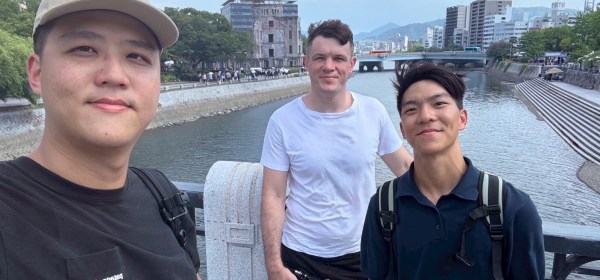
As Japan’s Relations With China Grow More Distant, Relations With Taiwan Improve

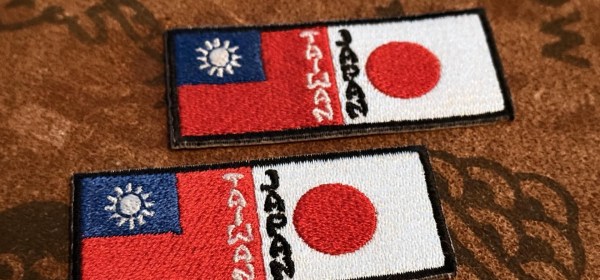
Written by Aleksandrs Gross. This article analyses recent Taiwan-Japan solidarity amid tensions between Japan and China. It captures how widespread and deep mutual support is at the grassroots, people-to-people level in both countries. The current tense political climate has only deepened the friendship between the two peoples. This benefits Taiwan and puts China in a tricky position.

Who Is Taiwanese: Rejection or Redefinition?

Written by Meng Kit Tang. This article explores the evolving debate over Taiwanese identity, contrasting two models: the rejectionist approach and the redefinition model. It examines the implications of each model for domestic cohesion, diplomacy, and national resilience, arguing that a redefinition approach provides Taiwan with a stronger foundation to navigate internal polarisation and external pressures.

A Third Front: The Pivot of Businesses Towards Activism

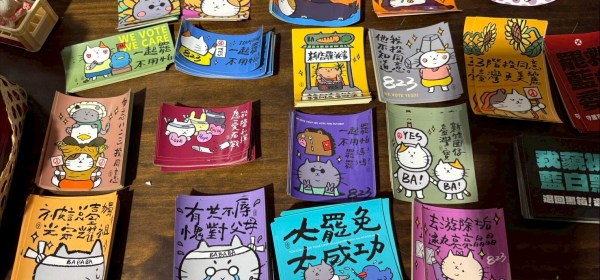
Written by Aleksandrs Gross. This article explores a unique phenomenon that occurred during the recalls – small businesses explicitly voiced their stance on the recalls. This mirrors similar patterns of Hong Kong during the pro-democracy movement in 2019. The author interviewed three pro-recall businesses to understand their stance and how they encourage constructive discussion without alienating opponents.

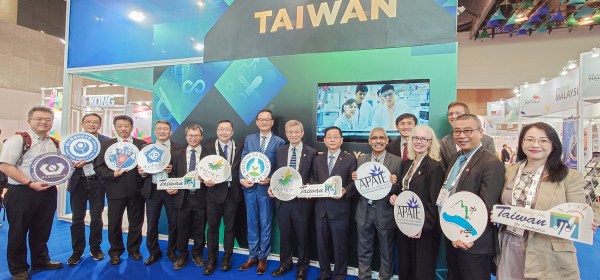
Taiwan-India University Cooperation: Emerging Corridors of Academic Exchange and Technological Diplomacy

Written by Neeraj Mehra. This article examines the growing educational partnership between Taiwan and India as a strategic soft power tool. Nearly 1,500 Indian students now study in Taiwan, primarily in engineering and technology fields, facilitated by a 2010 MOU and Taiwan’s New Southbound Policy. This collaboration offers complementary benefits: Taiwan’s semiconductor expertise paired with India’s demographic dividend and emerging tech sector. While recent high-level delegations signal strong governmental commitment, challenges remain in administrative barriers, visa processes, and funding stability. The author argues that with proper institutional mechanisms, this partnership could become a major Indo-Pacific academic alliance serving both knowledge diplomacy and technological self-reliance.

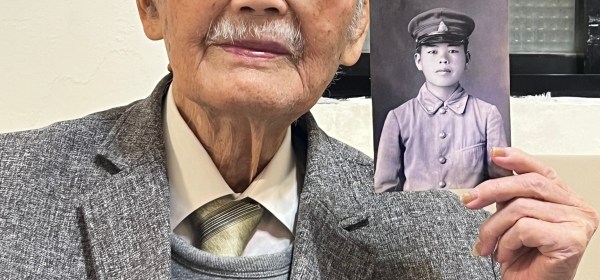
Eighty Years After the Battle of Okinawa, Thousands of Taiwan’s World War II Dead are Still Missing

Written by Bryn Thomas. This article interviews one of the thousands of Taiwanese who fought for Japan in the Battle of Okinawa. With at least 1000 Taiwanese troops took part and suffered a casualty rate of over 90% during the battle, the Okinawa Peace Memorial only listed 34 names of Taiwan’s war dead. The postwar political situation in Taiwan made it complex to honour these fallen soldiers.

“From Empire to Republic”: Taiwan, WWII, and Making a History Docuseries

Written by Bryn Thomas. This article takes us behind the scenes in the creation of the From Empire to Republic docuseries of TaiwanPlus News and this special issue. Taiwan’s World War II history made it to the headlines time and again in 2025, including President Lai Ching-te marking the 80th VE day in May to Lai drawing parallels between current Taiwan and the 1930s’ democracies when commemorating the VJ day.

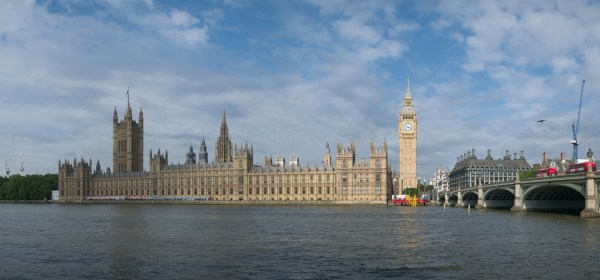
When Secrets Collapse: Implications of the China Spy Scandal on UK-Taiwan Relations

Written by Alexandra Whitehead. This article asks what the China spy scandal in the UK means for Taiwan and analyses both its opportunities and risks, including the need to reassess its relations with Beijing and to clarify its legal framework to match its political rhetoric. Putting them together, the case is unlikely to drastically change the course of UK-Taiwan relations. 

NATSA 2025 Opening Forum: Otherwise Relations between Taiwan and Southeast Asia

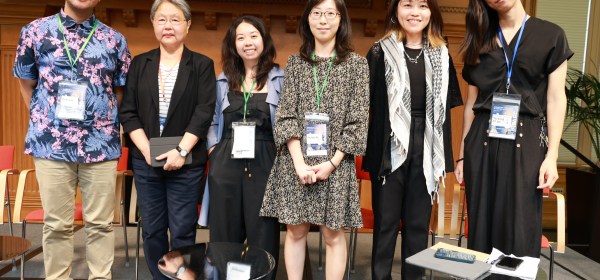
Written by the NATSA 2025 Programme Committee. This article shares the NATSA 2025 opening forum, “Otherwise Relations between Taiwan and Southeast Asia.” Adopting an “otherwise,” the forum challenges nationalistic views by centring Taiwan’s ongoing entanglements with Indigenous solidarity, migration, gender economics, human rights, and more, urging a new approach to Taiwan Studies.

Taiwan in Global Discussions

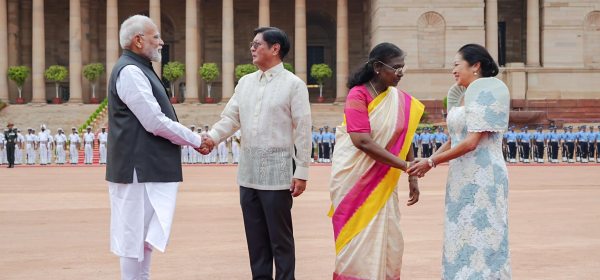
Written by Manoj Kumar Panigrahi. This article begins with Philippine President Marcos Jr.’s recent visit to India. It highlights the new bilateral agreements, investment, and his remarks on Taiwan that provoked Chinese and Taiwanese responses. The author then provides a critical examination of the India-China and India-Taiwan relationships, particularly situating Taiwan at the center of evolving regional security and economic dynamics.

The Island Is Our Canoe: Taiwan–Guam Exchange Finds Connection Beyond the Stage

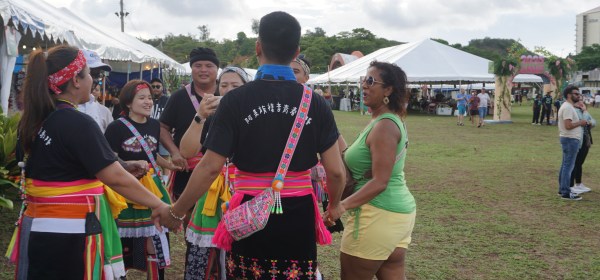
Written by Eloise Phillips. This article examines the 2025 Taiwan–Guam cultural exchange, led by Taiwan’s National Museum of Prehistory, which wove song, canoe building, and shared practices into island diplomacy. Through workshops, performances, and informal encounters, the program connected Austronesian communities across the Pacific, highlighting resilience, mutual reclamation, and living traditions of cultural practice, language, and art.

Distant Allies? Explaining U.S. Allies’ (In)action Over the Prospect of a Taiwan Strait Contingency

Written by Carlos Francisco Torres Morales. Using an alliance framework, this commentary argues that Tokyo and Seoul’s reluctance to convey support to Taipei publicly stems from strategic caution, since this could provoke the undesired effects they would seek to deter by extending clear security assurances, but also to retain flexibility in their redefining their stances vis-à-vis Taiwan (and China).

1 2 3 40