Be Water: The Dragon’s Identity and Pride Flow Across Borders

Written by Meng Kit Tang. This commentary explores how Bruce Lee’s legacy offers a compelling, non-political model for redefining Chinese identity in Taiwan.  By reframing Chinese identity as values-based, Lee serves as a bridge across generations, borders, and political divides. The article proposes civic and youth-centred initiatives that leverage Lee’s enduring appeal to foster intergenerational confidence, cross-cultural empathy, and peaceful dialogue in the Taiwan Strait.

China and Russia’s Cognitive Domain Influences: The Strategic Use of Narrative Manipulation

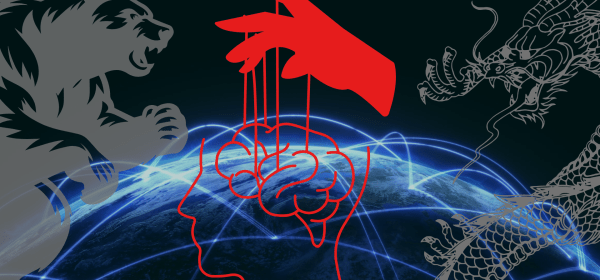
Written by Wen-Qing (Sarah) Jiang. This article studies the increasing use of cognitive tactics in information operations by China and Russia. The internal political polarisation makes Taiwan and the EU especially vulnerable to these campaigns. The article contrasts the responses of Taiwan and Transnistria to cognitive warfare, highlighting the importance of a resilient government and a vibrant civil society.

Adding Turbulence to the Turbulent Region: Cooperation Between Western Balkans, China, and Taiwan

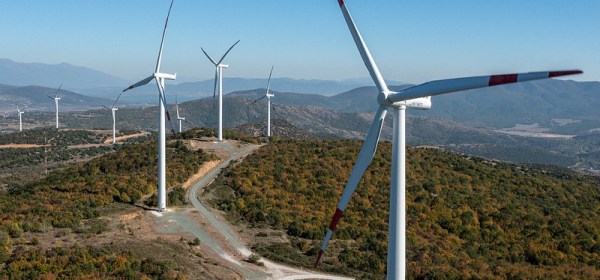
Written by Stefan Vladisavljev and Damir Dizdarević. The Western Balkans face the challenge of balancing growing Chinese influence with the need for diversified and resilient partnerships to support their green transition. While limited by diplomatic constraints, Taiwan offers a strategic alternative through cooperation in clean energy and technology that aligns with democratic values and enhances supply chain security.

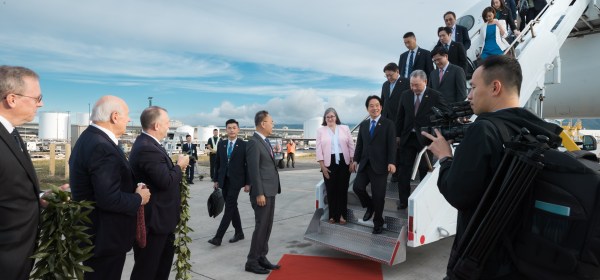
Bridging Taiwan’s Blue-Green Divide: The Twentieth Anniversary of the 2005 Chen-Soong Meeting (扁宋會)

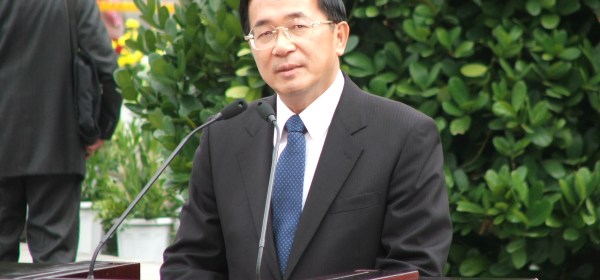
Written by Jasper Roctus. This article revisits a rare moment of bipartisanship from two decades ago when the DPP’s incumbent president Chen Shui-bian met with the PFP leader James Soong. The meeting offers insights into the possibilities and limits of political reconciliation in Taiwan in 2025. Even politically opposed figures can agree to embrace greater tolerance and goodwill.

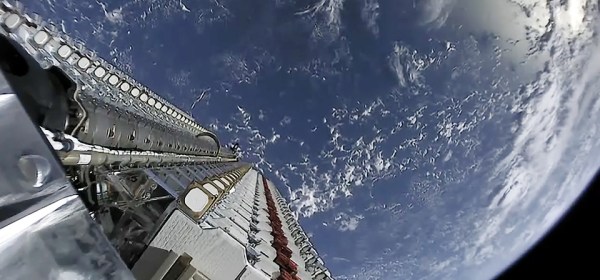
Floating in a Most Peculiar Way: Taiwan’s Struggles in Space Development

Written by Jiun-Ru Chiang. This article examines the geopolitical constraints of Taiwan’s space development, exploring how China use political and economic power to shape broader geopolitical restraints in order to obstruct Taiwan’s space development. While struggling in space development and international cooperation, Taiwan must pursue a more calculated and diversified approach.

Words of Influence: PRC terms and Taiwanese identity 

Written by Karen Huang. This article explores the growing use of PRC terms in Taiwan Mandarin and the social reactions to this trend. While some Taiwanese view this trend as a natural result of language contact, others perceive these terms as a form of cultural invasion. The debate among Taiwanese netizens reflects broader concerns about cultural identity, political influence from China, and the implications for younger generations in Taiwan.

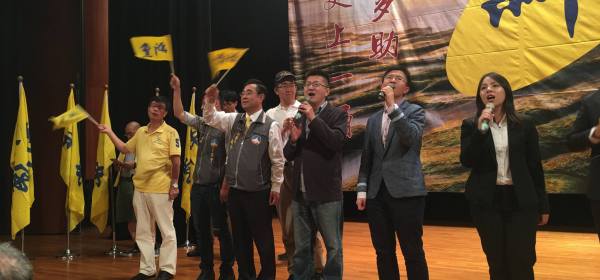
The Earth Thunders: A Preliminary Study of the New Party’s Ideological Transformation Through Its Lyrics’ Modification

Written by Jonathan Leung. This article examines the ideological transformation of the New Party through its theme song, The Earth Thunders. It argues that the party abandons the ROC identity and liberal ideologies and moves closer to China and Chinese nationalist sentiments. The slight modification of the lyrics portrays this counter-cultural move.

1 2 3 4 28