Taiwan in 2024: Geopolitical Uncertainties

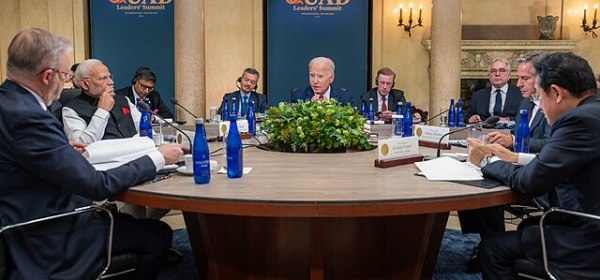
Written by Dr Chieh-chi HSIEH. This article argues that the path dependencies of the Taiwanese, US, Japanese, and South Korean governments encountered a change of political leadership in 2024, which created some uncertainties for Taiwan in 2025. They are compounded by the conservative stance of President Lai Ching-te towards President Trump since the latter’s election.
The Promise of a Return to Taiwan in Recent Election Campaigns: Federated States of Micronesia, Solomon Islands, and Honduras 

Written by Jess Marinaccio. This article highlights the cases of the Federal States of Micronesia, Solomon Islands, and Honduras, where restoring diplomatic relations with Taiwan has become a talking point in election campaigns. While many analysts are concerned about Taiwan’s “diplomatic zero” situation, this article argues that the possibility of restoring broken diplomatic ties remains open for Taiwan’s recently departed allies.

Is it the End for Taiwan and Pacific Regionalism? Controversy at the 53rd Pacific Islands Forum (PIF) Leaders Meeting in Tonga

Written by Jess Marinaccio. This article examines the 53rd Leaders Meeting of the Pacific Islands Forum, taking place from 26 to 30 August 2024. It highlights the several controversies that Taiwan was embroiled in during the Meeting, particularly in regard to Taiwan’s position as a PIF “development partner” despite objections from China.

The Sunflower and Umbrella Movements: Ten Years On

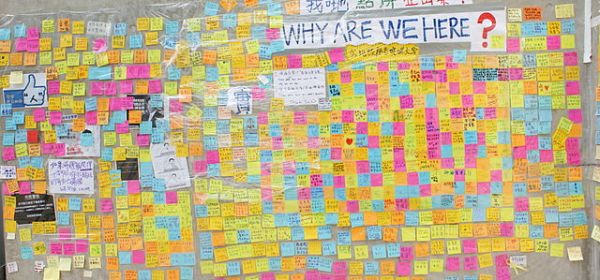
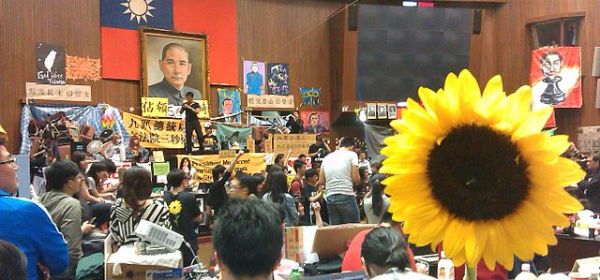
Written by Adrian Chiu. This special issue presents a brilliant line-up of scholars and observers of the two movements which provides insights and perspectives to analyse and reflect on the tenth anniversary of the Sunflower and Umbrella Movements. This introductory piece briefly sets the scene for their excellent analysis by reviewing some of the significant political changes both internationally and domestically.

Clientelism, Social Movements, and Weak Ideology: Is Institutionalisation in Taiwan’s DPP Comparable with the Philippines’ Liberal Party?

Written by Russell Sherrard-Smith. This article compares Taiwan’s DPP with the Liberal Party of the Philippines, focusing on party institutionalisation and how it contributes to our understanding of the quality of democracy. The author looks at the two parties’ systemness, centralisation, leadership stability and other factors that significantly influence the countries’ democratic development.

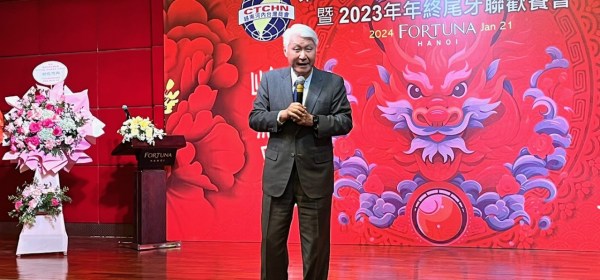
Semiconductor and Renewable Energy: Taiwan-Vietnam Cooperation under New Leadership

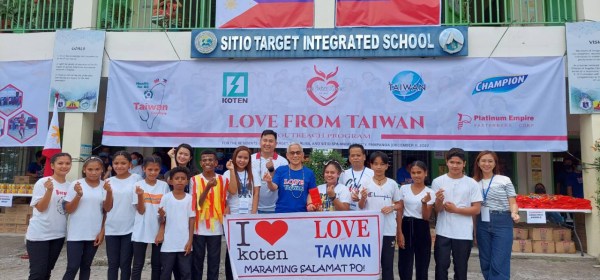
Written by Tran Thi Mong Tuyen. Since the 1990s, Taiwan’s government has championed the “Go South” and “New Southbound” policies, catalyzing Taiwanese entrepreneurship across the Association of Southeast Asian Nations (ASEAN). Vietnam, boasting a stable economy, ample labour force, a youthful demographic, and rich natural resources, has emerged as a prime destination. This article focuses on the recent cooperation between Taiwan and Vietnam in different industries, and proposes potential future collaborative opportunities between the two.

Envisioning Migrant Worker Policy: Toward Dignity and Well-being 

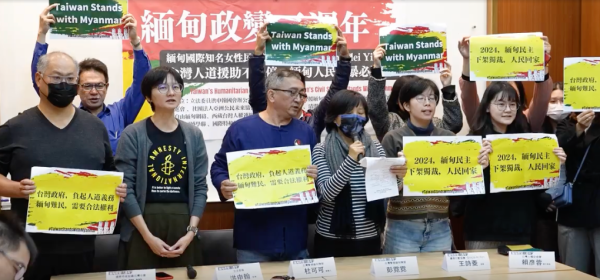
Written by Hang-Tang Chen; translated by Yu-Chen Chuang. Taiwan needs to refine its migrant worker policies to focus not only on labour contributions but also on the well-being and dignity of the workers. Personal stories of migrant workers in this article reveal the necessity for comprehensive policies that address the physical and mental health needs, acknowledging the humanity behind the workforce.

Taiwan’s 2024 Elections: How will China Respond?

Written by T.Y. Wang. Lai’s victory, nevertheless, is a rebuke to Beijing’s sovereignty claim of the island and a hard pill for Chinese leaders to swallow. In the aftermath of the election, observers are pondering how Beijing will react to Taiwan’s electoral outcomes. Chinese leaders view Lai as a “separatist,” and his affiliated DPP is a secessionist political party. A win by Lai, in their mind, means Taipei will continue its policy of pursuing Taiwan independence in spite of Lai’s pledge to continue the incumbent President Tsai Ing-wen’s policy of maintaining the status quo. Prior to the election, Beijing had magnified a “war and peace” narrative, intensified its military and economic pressure on Taiwan and warned the island citizens to make a “correct choice” in the elections.

1 2 3 4 14