
Written by Brian Hioe. US PRESIDENT DONALD TRUMP alarmed earlier this month after comments suggesting that he would decide whether to suspend arms sales to Taiwan after meeting with Chinese President Xi Jinping in April.
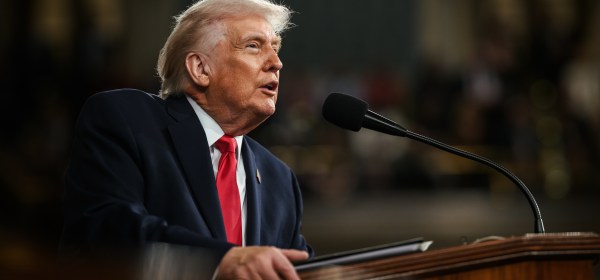
Written by Brian Hioe. US PRESIDENT DONALD TRUMP alarmed earlier this month after comments suggesting that he would decide whether to suspend arms sales to Taiwan after meeting with Chinese President Xi Jinping in April.

Written by Chieh-Ting Yeh. This article reviews an eventful year of 2025 in Taiwan-US relations. Defence and trade continue to be the most important issues of the bilateral relationship under the Trump administration. It argues that the narrative surrounding it is fundamentally reactive and does not inspire hope or action. We need a more robust, imaginative, positive, optimistic, uplifting, inspiring, forward-looking, and hopeful narrative for US-Taiwan relations.
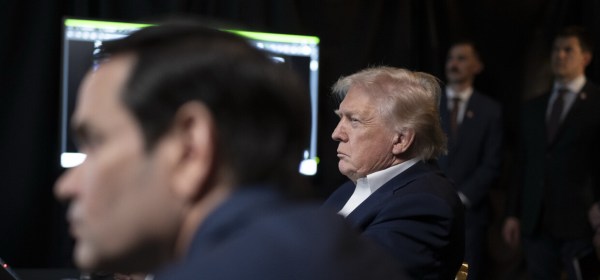
Written by Gerrit van der Wees. This article suggests that Taiwan-US relations in 2025 were turbulent. The year was marked by contradictory presidential statements, unprecedented congressional activism, and the codification of Taiwan’s strategic importance in U.S. defence and security planning. The latest PLA military exercise indicates that 2026 will be even more turbulent.
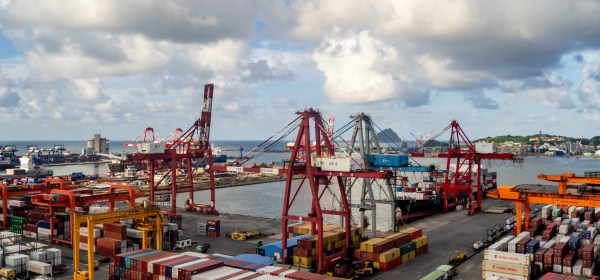
Written by Thung-Hong Lin and Chun-Yin Lee. This article discusses the impact of China’s tightening control and U.S.–China trade tensions on Taiwanese firms. The authors find that traditional electronics firms have suffered revenue and profit declines, while high-end semiconductor companies have shown counter-cyclical growth. Ongoing tariff negotiations leave future prospects uncertain.
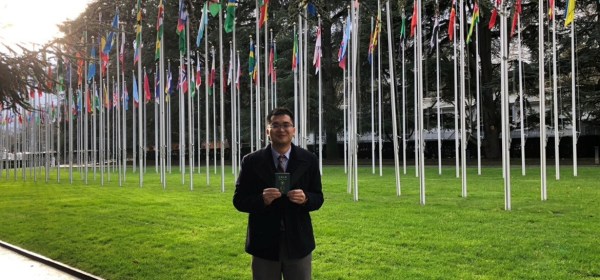
Written by Yenting Lin. This article examines the misinterpretation and misuse of UN Resolution 2758, which defines China’s representation in the UN but not the status of Taiwan. But it has been used by Beijing to endorse the “One China Policy”. Pushback against China’s interpretation has begun to emerge in recent years as Taiwan’s contributions to international society are recognised.
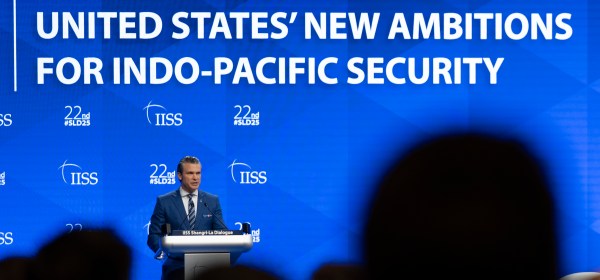
Written by Meng Kit Tang. As tensions rise in the Taiwan Strait, military deterrence has become the dominant narrative. This article argues that renewed dialogue, economic pragmatism, and people-to-people exchanges are equally vital for long-term stability. Drawing on historical precedents and current developments, it outlines practical pathways to reduce risks and rebuild trust.
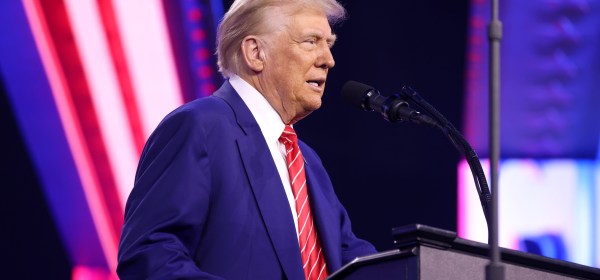
Written by Jacques deLisle. Amidst the focus on potential radical impact under the second Trump administration, this article examines some fundamental trends and challenges in US-Taiwan relations and US-China-Taiwan dynamics. The longstanding US policy of strategic ambiguity is becoming increasingly harder to hold and Taiwan’s capacity to navigate is waning.
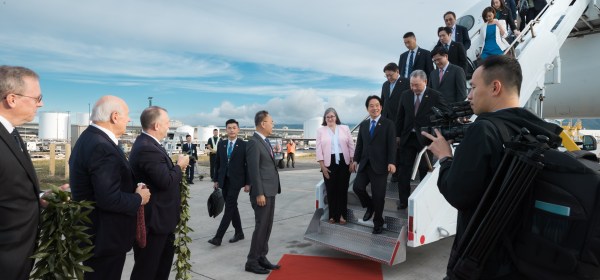
Written by Chen-Dong Tso. This article reviews the cross-Strait strategy of the Biden administration after President Lai characterised the two sides of the Taiwan Strait as “mutual non-subordination”. The administration adopted a nuanced approach of both restraint and support, which the incoming Trump administration might not follow.
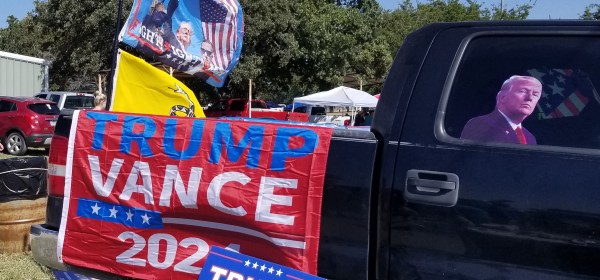
Written by Fang-Yu Chen. This article examines how a potential second Trump presidency could reshape U.S.-Taiwan relations, highlighting that while core policies may remain stable, Trump’s transactional approach and rhetoric could affect bilateral ties and public perception. It also emphasizes that Taiwan must strengthen its multi-faceted diplomatic strategies to maintain international support for Taiwan Strait issues, regardless of U.S. leadership changes.
Written by Chieh-Ting Yeh. This article argues Taiwan has what it takes to thrive in the face of increased volatility in US-Taiwan relations. Regardless of the potential US internal and international turmoil, Taiwan should find a set of principles and mid-term strategic goals and develop its own value.
Written by Min-Hua Chiang. This article explores the potential impact of higher tariffs under the second Trump administration on Taiwan’s export-oriented economy. It argues that Taiwan’s manufacturing industry remains resilient with its history of coping with changing geopolitical relations. It could even encourage Taiwan’s companies to invest overseas.
Written by Brian Hioe. This article discusses how can Taiwan responds to Trump’s election better than in 2016. Although the structural conditions remain the same, Taiwan may seek to reassure Trump on security, trade and industrial policy. Taiwan also needs a strategy to forge regional and international links to mitigate the uncertainty of a second Trump presidency.
 Taiwan Insight