Who Is Taiwanese: Rejection or Redefinition?

Written by Meng Kit Tang. This article explores the evolving debate over Taiwanese identity, contrasting two models: the rejectionist approach and the redefinition model. It examines the implications of each model for domestic cohesion, diplomacy, and national resilience, arguing that a redefinition approach provides Taiwan with a stronger foundation to navigate internal polarisation and external pressures.

The House of Chiang: Between Reverence and Reckoning

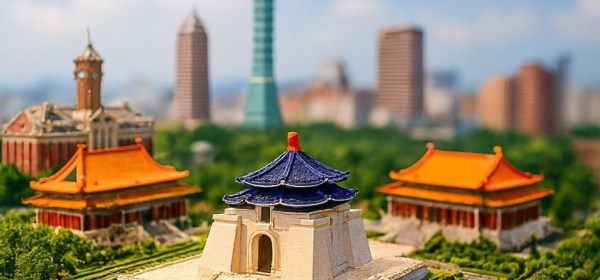
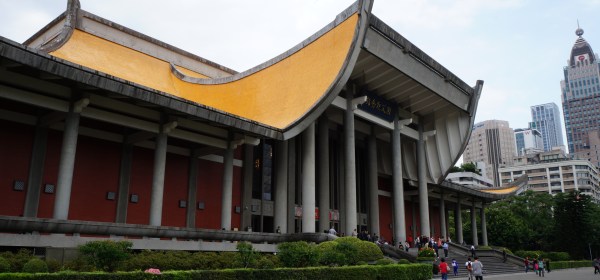
Written by Meng Kit Tang. This article explores Taiwan’s debate over the Chiang Kai-shek Memorial Hall — a site that embodies both national survival and authoritarian trauma. It calls for transforming the hall into a civic classroom that contextualises Chiang’s achievements and abuses, draws lessons from Germany and South Africa, and contrasts Taiwan’s openness with Beijing’s censorship.

When the Waters Rose, So Did Taiwan’s People

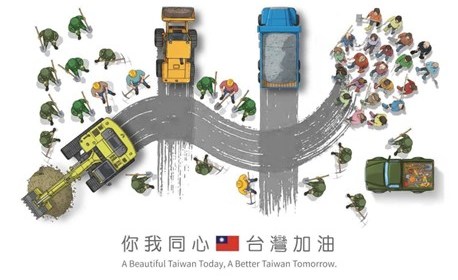
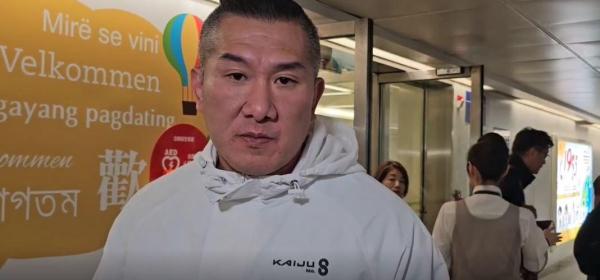
Written by Meng Kit Tang. This article reflects on Taiwan’s remarkable civic response to the 2025 Hualien floods, where thousands of volunteers, faith groups, and ordinary citizens mobilised overnight. The essay ultimately suggests that Taiwan’s story offers lessons not just for its own politics, but also for neighbours and rivals alike: that true strength and attraction emerge not from control, but from authenticity.  

A Vote of Gladness, A Moment of Disquiet: Taiwan’s Recall Elections Revisited

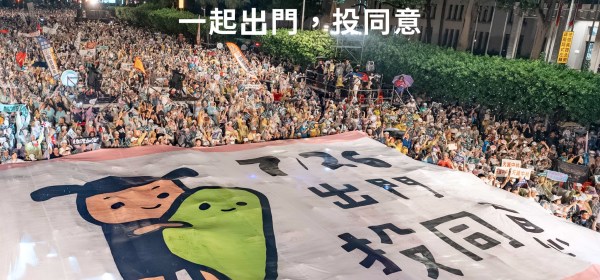
Written by Meng Kit Tang. Taiwan’s 2025 mass recall movement mobilised unprecedented civic energy but failed to unseat a single lawmaker. This commentary explores how a campaign born of democratic hope left behind deeper polarisation, institutional strain, and little collective pride. The way forward will require not only better laws or more elections, but also maturity, dialogue, reform and healing.

Be Water: The Dragon’s Identity and Pride Flow Across Borders

Written by Meng Kit Tang. This commentary explores how Bruce Lee’s legacy offers a compelling, non-political model for redefining Chinese identity in Taiwan.  By reframing Chinese identity as values-based, Lee serves as a bridge across generations, borders, and political divides. The article proposes civic and youth-centred initiatives that leverage Lee’s enduring appeal to foster intergenerational confidence, cross-cultural empathy, and peaceful dialogue in the Taiwan Strait.

To Be Chinese, Truly — Beyond Flags and Borders

Written by Meng Kit Tang. In an era where Chinese identity is increasingly politicised and weaponised by state actors, this article argues for a re-centring of Chineseness around civic virtue, cultural continuity, and ethical striving. Taiwan, by embracing freedom and cultural plurality, emerges as a living laboratory for a more inclusive, moral, and modern understanding of what it means to be Chinese today.

Diplomacy on Rails: Strengthening Taiwan-Japan Relations Through Railway Culture

Taiwan and Japan use railway diplomacy to strengthen cultural and technological ties through heritage preservation, tourism, and smart rail innovation. Unlike China’s debt-driven projects, their approach prioritises sustainability and soft power. Expanding collaborations into Southeast Asia and integrating AI-driven rail systems will enhance their influence in the Indo-Pacific region.

Lai Ching-te’s Leadership on the Line in Taiwan’s Budget Standoff

Written by Meng Kit Tang. Taiwanese President Lai Ching-te faces a critical leadership test amid a budget standoff with an opposition-controlled legislature. Key defence cuts, including Taiwan’s submarine program, raise security concerns. Lai must balance strong leadership and negotiation to avoid political paralysis. Lessons from Taiwan’s political history offer guidance for effective crisis management.

Tracks of Influence: How Taiwan’s Railway Heritage Fuels Soft Power

Written by Tang Meng Kit. Taiwan’s railway heritage, originating from its Japanese colonial past, has transformed into a vibrant symbol of soft power. Through thoughtfully curated museums, cultural events, and international collaborations, particularly with Japan, Taiwan weaves history and innovation into a compelling narrative. This approach not only nurtures cultural exchange and tourism but also reinforces Taiwan’s resilience and evolving national identity on the global stage.