Trump’s Liberation Day Tariffs and Potential Impacts on Taiwan

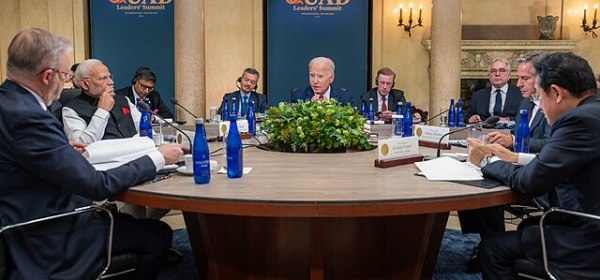
Written by Dr Chieh-chi Hsieh. This article asks the question of whether Trump’s tariffs on Taiwan signal a potential divergence of his foreign policy on cross-Strait relations. It argues that although the country needs to remain cautious, the long-term impact might be less severe than one expects. Recent developments suggest that the Trump administration has not altered its foreign policy.

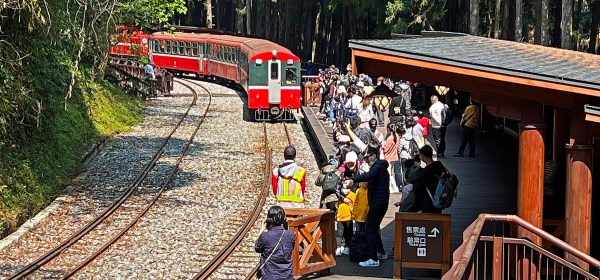
Diplomacy on Rails: Strengthening Taiwan-Japan Relations Through Railway Culture

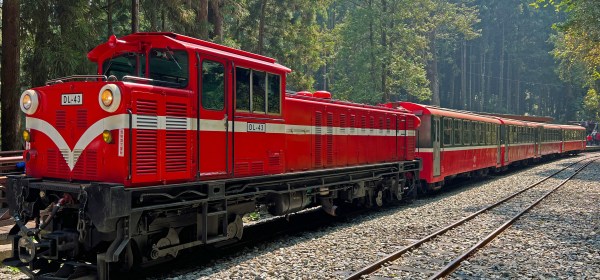
Taiwan and Japan use railway diplomacy to strengthen cultural and technological ties through heritage preservation, tourism, and smart rail innovation. Unlike China’s debt-driven projects, their approach prioritises sustainability and soft power. Expanding collaborations into Southeast Asia and integrating AI-driven rail systems will enhance their influence in the Indo-Pacific region.

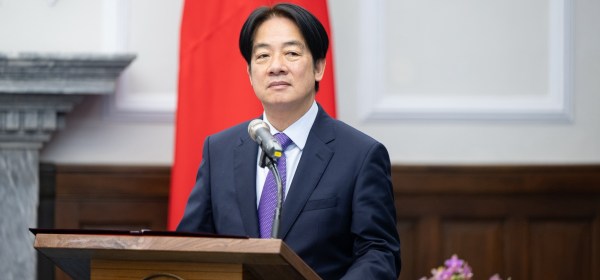
Lai Ching-te’s Leadership on the Line in Taiwan’s Budget Standoff

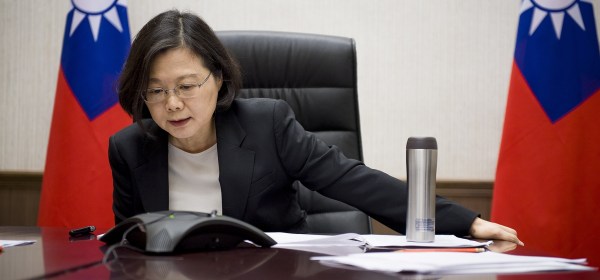
Written by Meng Kit Tang. Taiwanese President Lai Ching-te faces a critical leadership test amid a budget standoff with an opposition-controlled legislature. Key defence cuts, including Taiwan’s submarine program, raise security concerns. Lai must balance strong leadership and negotiation to avoid political paralysis. Lessons from Taiwan’s political history offer guidance for effective crisis management.

Tracks of Influence: How Taiwan’s Railway Heritage Fuels Soft Power

Written by Tang Meng Kit. Taiwan’s railway heritage, originating from its Japanese colonial past, has transformed into a vibrant symbol of soft power. Through thoughtfully curated museums, cultural events, and international collaborations, particularly with Japan, Taiwan weaves history and innovation into a compelling narrative. This approach not only nurtures cultural exchange and tourism but also reinforces Taiwan’s resilience and evolving national identity on the global stage.

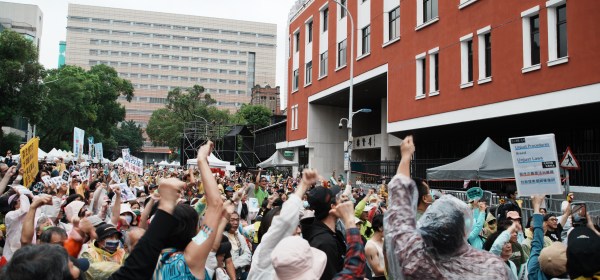
Turmoil at Home for Taiwan in 2024

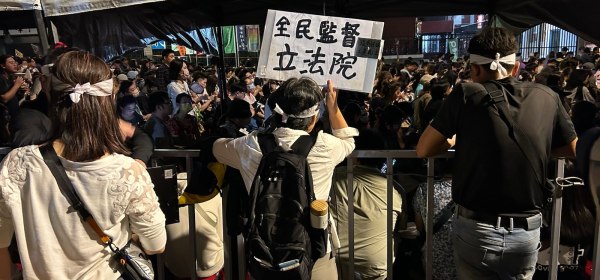
Written by Dr Chieh-chi HSIEH. This article examines the domestic political turmoil in Taiwan in 2024, including corruption scandals for all three main parties and ongoing confrontation in the Legislature. However, it argues that these challenges have demonstrated the resilience of Taiwan’s democracy based on the evidence of its institutions, leadership and people.

Taiwan in 2024: Geopolitical Uncertainties

Written by Dr Chieh-chi HSIEH. This article argues that the path dependencies of the Taiwanese, US, Japanese, and South Korean governments encountered a change of political leadership in 2024, which created some uncertainties for Taiwan in 2025. They are compounded by the conservative stance of President Lai Ching-te towards President Trump since the latter’s election.

How Will Taiwan Cope with Trump?

Written by Brian Hioe. This article discusses how can Taiwan responds to Trump’s election better than in 2016. Although the structural conditions remain the same, Taiwan may seek to reassure Trump on security, trade and industrial policy. Taiwan also needs a strategy to forge regional and international links to mitigate the uncertainty of a second Trump presidency.

Deviation or Continuation of Tsai’s Approach to Cross-Strait Relations? A few hints from President Lai’s Inaugural Address

Written by Dr Chieh-chi HSIEH. Based on President Lai Ching-Te’s inaugural speech, this article argues that Lai is likely to adopt a ‘passive responsiveness’ approach when engaging with the Chinese government in the next four years. This is a continuation of President Tsai’s strategy on cross-strait relations, only responding firmly when the circumstances are pertinent.

Taiwan People’s Party as the Kingmaker: What future holds for the party?

Written by Brian Hioe. The TPP has proven that it is a force with staying power in Taiwanese politics, then–for at least the next four years. Questions about the long-term viability of the party still remain. This is particularly regarding the party’s relationship with its chair, Taipei mayor Ko Wen-je, and how the TPP will relate to the KMT as the larger party in the pan-Blue camp.

1 2 3 4 21