
Written by Brian Hioe. This article compares the Bluebird Movement to the 2014 Sunflower Movement, emphasizing how both large-scale protests were fundamentally driven by concerns over China’s influence rather than purely about domestic issues.
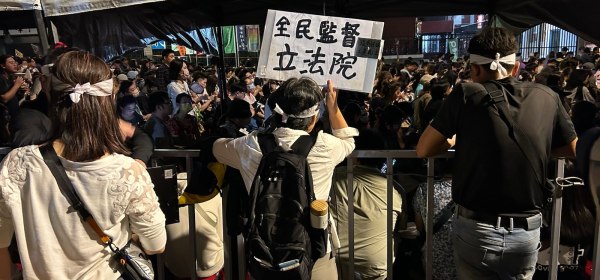
Written by Brian Hioe. This article compares the Bluebird Movement to the 2014 Sunflower Movement, emphasizing how both large-scale protests were fundamentally driven by concerns over China’s influence rather than purely about domestic issues.
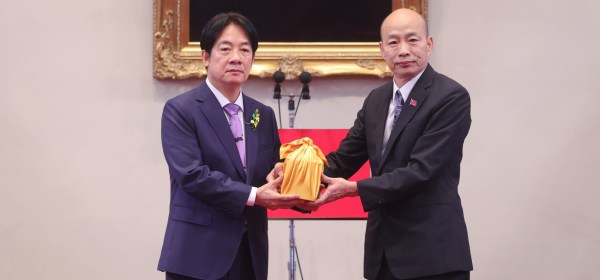
Written by Gunter Schubert. On May 20, Lai Ching-te became the fifth popularly elected president of the Republic of China, facing numerous challenges as Taiwan’s legislature’s lack of compromise hampers effective policymaking and risks paralysis. This article emphasizes the need for a culture of compromise and responsible political competition in Taiwan’s democracy.
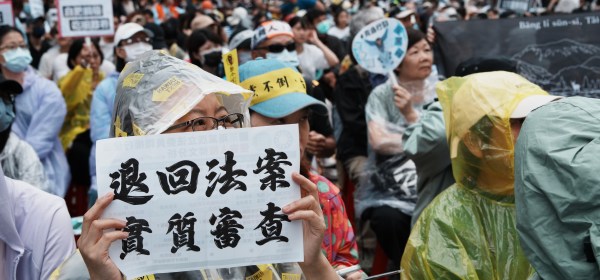
Written by Dung-Shiu Yu. The Bluebird Movement in Taiwan, protesting against legislative reforms, has gained international attention. This article highlights a powerful display of intergenerational support and grassroots activism, the “grandparents’ topping-up participation.”
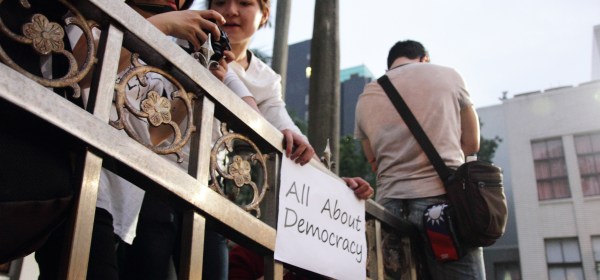
Written by Min-Yuan Hung. This article explores the evolution of democracy in Taiwan through key protest movements, highlighting that protecting the democratic way of life is a critical motivation for citizen activism in Taiwan. This narrative is essential to the Bluebird Movement and should not be overlooked.
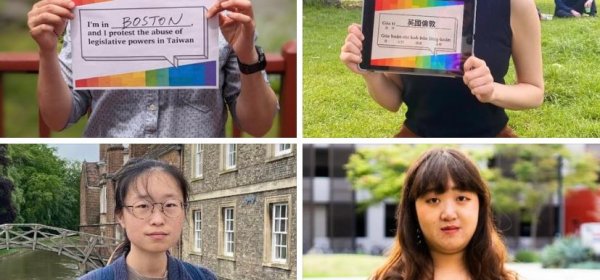
Written by the Overseas Taiwanese Solidarity Against Legislative Power Abuse. A group of overseas Taiwanese formed a solidarity movement against legislative power abuse in Taiwan, addressing concerns about the opaque legislative process, subversion of the Constitution, and its detrimental impact on Taiwan’s stability and sovereignty. They aim to gather the collective voices of overseas Taiwanese, create constant pressure on the Legislative Yuan, and stand in solidarity with all the protesters in Taiwan.
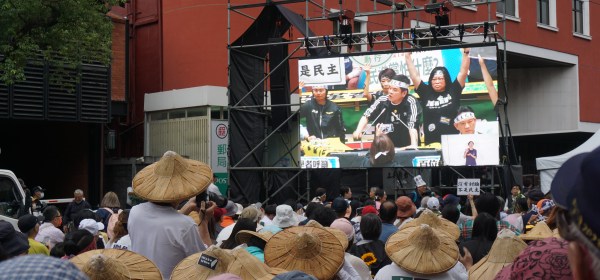
Written by You-Hao Lai. This article critically examines the procedural and substantive constitutional issues raised by Taiwan’s recent legislative reform, focusing on how the expansion of legislative power may undermine Taiwan’s democratic principles and impact the rights of private entities.
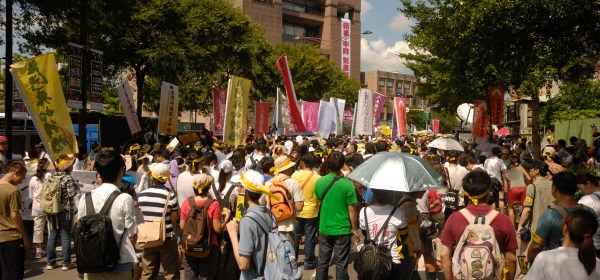
Written by Chun-yi Lee. This article reflects on the relevance of the Sunflower and Umbrella Movement today. Looking at the case of media freedom, the author highlights the importance of civil society guarding against authoritarian expansion and democratic consolidation. The movements remind of the fight against authoritarian power.
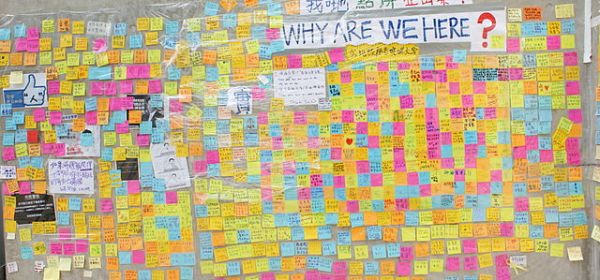
Written by Malte Philipp Kaeding. This article argues for the important identity-formation process of the Umbrella movement and beyond in Hong Kong, asking the question of what is Hong Kong and what does it mean to be a Hongkonger. This process was inspired by the Sunflower Movement and the Taiwanese success in building a unique identity vis-a-vis China.
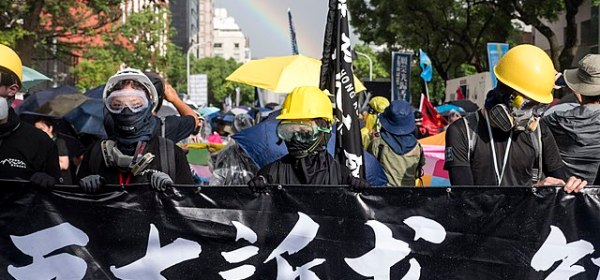
Wriiten by Desmond Hok-Man Sham. The Umbrella Movement did not just construct the identity of local Hong Kongers but also overseas Hong Kongers, where Taiwan plays an important role in that process. This article reflects on how the identity was constructed overseas through diaspora mobilisation and activism and the future of Taiwan-Hong Kong connections.
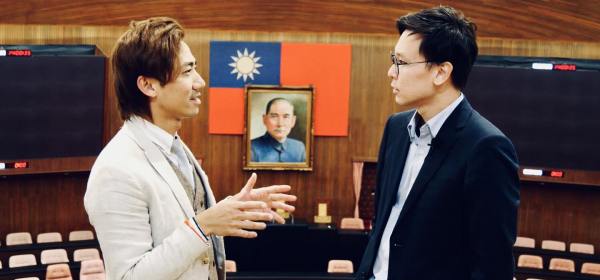
Written by Michael Mo. This article explores the divergent prospect of polarisation of the Sunflower and Umbrella activists in the aftermath of the Movements. While the electoral system in Taiwan forced activists to abandon small parties and shift towards the main parties, Hong Kong’s system before the overhaul in 2021 encouraged small parties to compete.
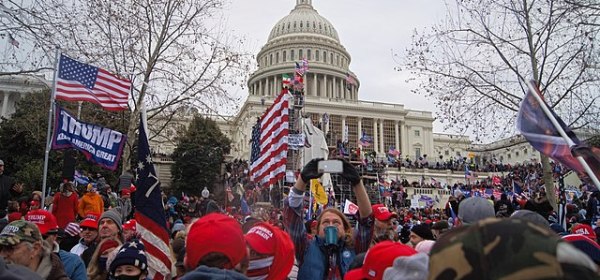
Written by Leon Kunz. The Sunflower Movement is a stark contrast to the insurrection of the January 6 storming of the US Capitol. This article makes this case by comparing through the structural sphere, ideational-interpretative sphere and performative sphere. The Sunflower Movement involved diverse participants, aimed to protect democracy and was non-violent.
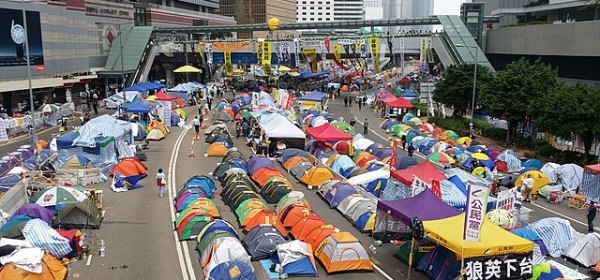
Written by Klavier Wang. This article focuses on the movement-place making, a process of transforming physical spaces into vibrant and inclusive environments that foster community engagement and identity, of the Sunflower and Umbrella Movement. It sheds light on an important legacy of the two movements, the development and strengthening of their civil societies.
 Taiwan Insight