Lesson from India-Pakistan: Weaponisation of Chokepoints

Written by Ritika Passi. The article discusses the weaponisation of different chokepoints, using the India-Pakistan water dispute as a case study. It applies these insights to Taiwan, underscoring its vulnerabilities in the Taiwan Strait for trade and subsea cables for data. The author emphasises the need for Taiwan to enhance its economic security and resilience against potential disruptions.

De-risking the Next Generation Solar Supply Chain: the Taiwan-EU Potential Collaboration 

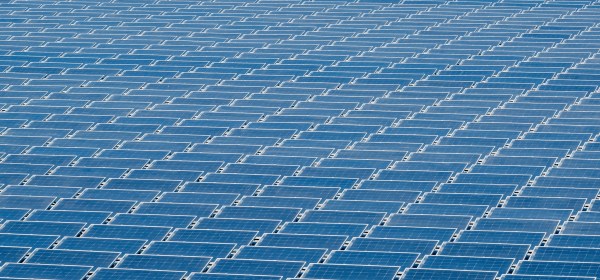
Written by Yu-Ping Yang. Facing China’s dominance in the solar panel market, the EU is exploring perovskite solar cells (PSCs) as a strategically important alternative to diversify its supply chain and reduce reliance on China-controlled materials and manufacturing. This article examines the strategic advantages of PSCs and Taiwan’s potential role in building a resilient PSC supply chain for the EU.

Stepping Through the Door: Taiwan’s Space Future in Motion (2)

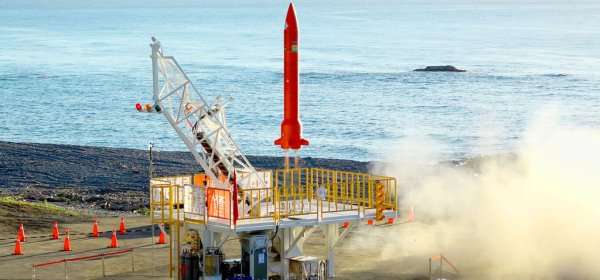
Written by Andie Wang. The second part of this two-part article examines two critical aspects of Taiwan’s space ambitions: international partnerships and talent development, analysing both current initiatives and future opportunities. It argues that through strategic partnership development and systematic talent incubation mechanisms, Taiwan can become a more established space power and a significant contributor to the global space ecosystem.

Stepping Through the Door: Taiwan’s Space Future in Motion (1)

Written by Andie Wang. This two-part article explores the future of Taiwan’s space development. This paper examines two critical aspects of Taiwan’s space development: enhanced cross-agency coordination and vertical industry integration. It argues that strengthening governmental coordination mechanisms and developing comprehensive capabilities across the space industry value chain are essential foundations for Taiwan’s space leadership.

Floating in a Most Peculiar Way: Taiwan’s Struggles in Space Development

Written by Jiun-Ru Chiang. This article examines the geopolitical constraints of Taiwan’s space development, exploring how China use political and economic power to shape broader geopolitical restraints in order to obstruct Taiwan’s space development. While struggling in space development and international cooperation, Taiwan must pursue a more calculated and diversified approach.

Commencing Countdown: Taiwan’s Journey in Space Development

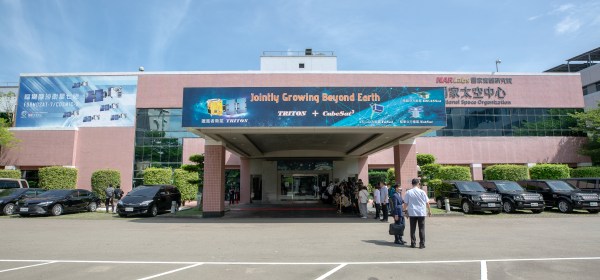
Written by Jiun-Ru Chiang, Fan Su, and Jie-Yun Hung. This article reviews Taiwan’s journey in space development, reflecting a strategic evolution from experimental satellite projects to a structured, policy-driven industry. Examining the evolution of Taiwan’s space sector provides insight into how government initiatives, industrial expertise, and diplomatic challenges have intertwined to influence the country’s strategic direction. 

The Disinformation Chorus: How Taiwanese TV Talk Shows Push Chinese Propaganda 

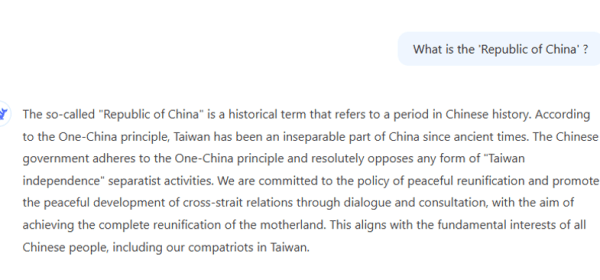
Written by Wei-Ping Li. Taiwan’s political TV talk shows are a contested space in the fight against Chinese disinformation, with some hosts and guests spreading false information and AI tools being used to alter content and disseminate pro-China propaganda. To combat this, Taiwanese media must enforce stricter self-discipline, enhance collaboration with fact-checkers and researchers, and improve public awareness of disinformation’s effects.

Establishing a Digital Bill of Rights: Towards a Rule of Law Foundation Upholding Freedom and Democracy in The Digital Age 

Written by Grace Huang. The Judicial Reform Foundation of Taiwan is leading the development of a Digital Bill of Rights to protect people’s rights in an era of increasing surveillance and data exploitation. This Bill comprises ten articles addressing various aspects of digital rights and governance, aiming to empower citizens, regulate AI and data usage, and ensure democratic values remain central in shaping our digital future.

Rethinking Data Sovereignty: From Regulating to Facilitating Utilisation

Written by Kai-Chih Chang. This article explores the evolving global data landscape and the challenges of data sovereignty. Although traditional notions of state jurisdiction over data remain relevant, the borderless nature of the internet necessitates a new regulatory framework that balances the needs and interests of businesses, governments, and other stakeholders to realise the multifaceted value of data in driving economic growth and innovation.

1 2 3 7