
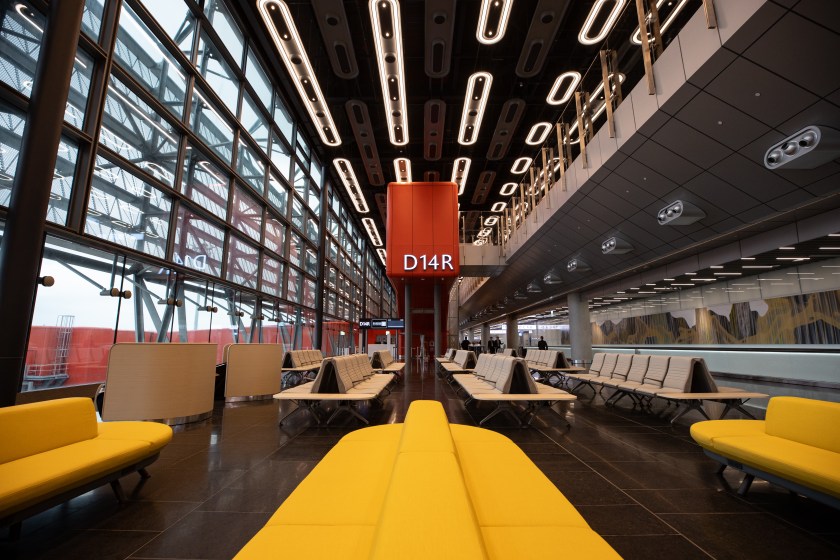

- From Martial Law to Open Skies: The Politics Embedded in Taoyuan Airport’s Architecture, and now shaped by a British Vision
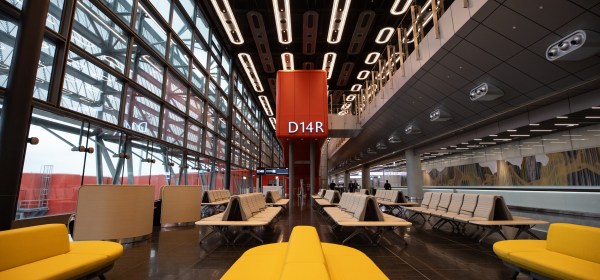
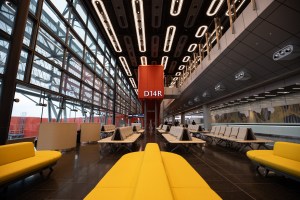 Written by Gahon Chiang. The northern concourse of Taiwan Taoyuan International Airport’s Terminal 3 opened on 25 December 2025, signifying progress from martial law to democracy. This terminal’s design emphasises openness and passenger mobility, contrasting the enclosed layouts of earlier terminals. The evolution of the airport reflects Taiwan’s broader democratic transformation, reshaping citizen-state relations.
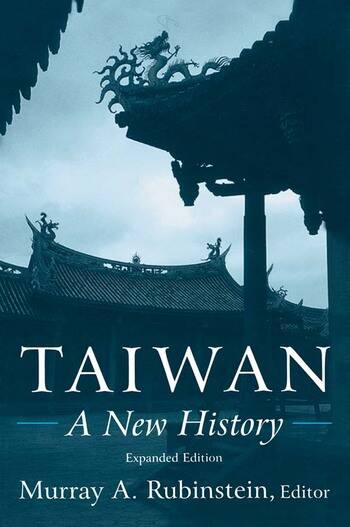
 - Mapping Taiwan, Mentoring Generations: Remembering Professor Murray Rubinstein
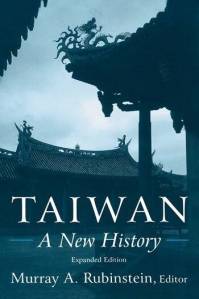 Written by Professor Niki J.P. Alsford. Professor Murray Rubinstein significantly advanced Taiwan Studies, advocating for the island’s recognition as a distinct field of study. He resisted easy binaries. Instead, he traced the layered textures of Taiwanese society, showing how they intertwined in ways that demanded careful, nuanced attention. Professor Rubinstein’s legacy endures through his contributions, guidance, and the academic community he nurtured, emphasising the importance of thoughtful scholarship.
 - TAP as Ecosystem: Research, Exchange, and Editorial Work – Two personal perspectives on engaging Taiwan through scholarship
 Written by Written by Felix Brender and Julian Vetterlein. The article reflects on TAP’s role in building a Taiwan Studies research ecosystem through travel grants, student engagement and interdisciplinary exchange. Through the perspectives of two research assistants, it shows how TAP supported full research cycles, international collaboration, policy dialogue and sustained academic interest in Taiwan beyond traditional funding structures.
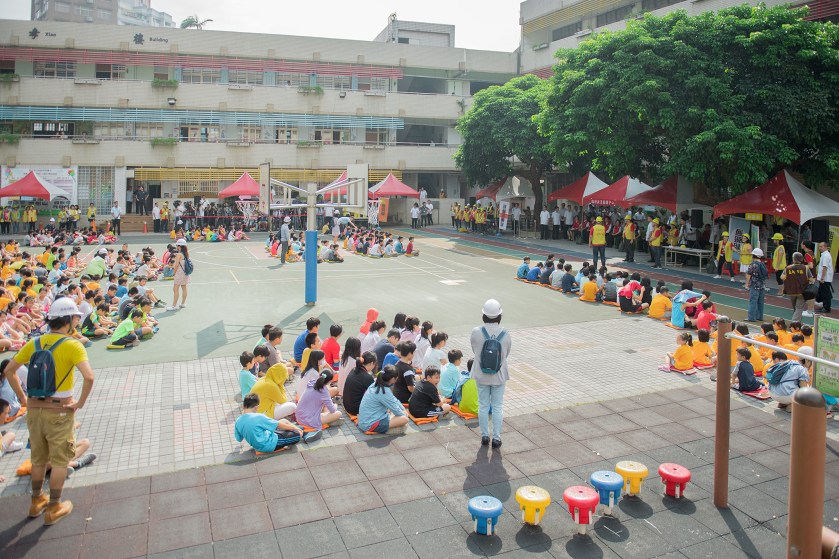
 - Digital Connected Societies: Petitions about Children under surveillance in Taiwan – Insights from TAP’s cross-perspective collaboration
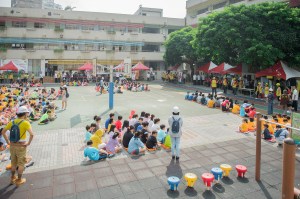 Written by Dr Josie-Marie Perkuhn and Assistant Professor Dr Amélie Keyser-Verreault. The article examines growing CCTV surveillance of children in Taiwan’s childcare settings, analysing public petitions on the Join platform alongside nationwide survey data. While most respondents support intensive monitoring for safety, significant privacy concerns persist. The study highlights digitalisation’s role in reshaping childcare, democratic participation and emerging ethical tensions.
 - Taiwan as a Pioneer (TAP): Local Innovation in the Dynamics of Global Megatrends — a project review
 Written by Dr Josie-Marie Perkuhn & Professor Dr Christian Soffel. This article introduces Taiwan as a Pioneer (TAP), a four-year interdisciplinary postdoctoral project strengthening Taiwan Studies in Europe through research, workshops, teaching initiatives, digital infrastructure, and fieldwork. Treating Taiwan’s innovations as analytical lenses on global change, TAP built lasting scholarly networks and resources beyond a single funding cycle.
 - Rethinking Chinese Media in a Digital Decade: Reflections on the Routledge Handbook of Chinese Media, 2nd Edition (2025)
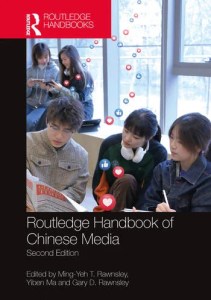 Written by Ming-Yeh T. Rawnsley. This article shares insights from the new edition of The Routledge Handbook of Chinese Media (2025), which documents a radically transformed, digitalised media ecology across the Chinese-speaking world. Comparing Taiwan, the PRC, Hong Kong and Macao, it foregrounds platform governance, power, participation and cultural negotiation, positioning Taiwan as a key lens for rethinking Chinese media studies in the digital age.
 - Beyond Volume: Designing Slower Tourism in Taiwan
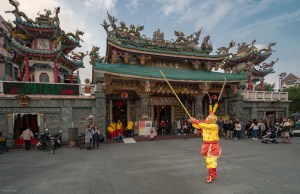 Written by Gita T. As Taiwan’s tourism sector continues to recover, questions about how the island should grow as a destination are beginning to resurface. This article advocates a slower model of heritage preservation, which allows a single site or landscape to open outward through observation, conversation, and carefully timed context. Taiwan does not start from zero as much preservation work is already underway.
 - Making Art, Living Art – Tehching Hsieh’s Life Works
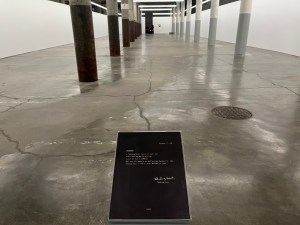 Written by Chee-Hann Wu. This article reviews Taiwanese performance artist Tehching Hsieh’s 2025 Dia Beacon retrospective, tracing his durational performances that treat the body as a clock, from cages to time-clocking, and reflecting on the exhibition’s embodied, minimalist presentation that collapses art and life, revealing time as both medium and co-performer.
 - Beyond Politics: The Economic Logic Behind Taiwan’s Defence Budget
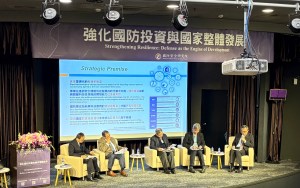 Written by Domingo I-Kwei Yang and Chan-Hsi Wang. This article argues that a new trend is emerging in Taiwan’s debate over defence spending, elevating the economic logic behind defence investment. It identifies the shift from fiscal burden to strategic investment, from buyer to co-production partner with the US and “peace through strength” as an economic strategy that fuses military readiness with an economic agenda.

 Taiwan Insight