Looking Ahead to 2030: Realising Five Strategic Objectives of the Satoyama Initiative in Taiwan 

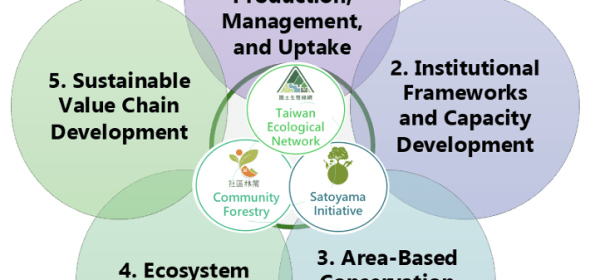
Written by Paulina G. Karim and Kuang-Chung Lee. This article outlines how Taiwan is advancing the Satoyama Initiative through five strategic objectives set out in the 2023–2030 IPSI Plan of Action. By integrating knowledge co-production, institutional capacity, area-based conservation, ecosystem restoration, and sustainable value chains, the authors highlight how Taiwan’s ‘3 in 1’ strategy contributes to global biodiversity goals through local and people-centred approaches.

Ecotourism Destination Marketing Organisation (DMO) – A Case Study of the Shih-ba-luo-han-shan Forest Reserve in Southern Taiwan 

Written by Mei-Hui Chen. This article introduces the concept of Ecotourism Destination Marketing Organisations (DMOs) and illustrates how they function through the case of the Shih-ba-luo-han-shan Forest Reserve in southern Taiwan. By fostering cross-sector collaboration and community participation, the DMO model supports sustainable ecotourism and biodiversity conservation.

From Co-Learning to Co-Production: Building an Innovative Satoyama Network along Taiwan’s North Coast 

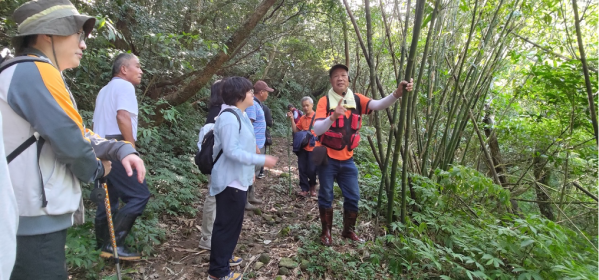
Written by Hsin-Hsun Huang. Addressing rural challenges, the Northern regional exchange base of the Taiwan Partnership for the Satoyama Initiative (TPSI-N) focuses on connecting people to Taiwan’s Satoyama landscapes to achieve sustainability. By cultivating relational values through school partnerships, inter-partner co-creation, and inviting external engagement, it empowers local communities. It preserves vital environments for the benefit of both residents and broader society.

From Conservation to Governance: Advancing Connectivity through Nature-based Strategies within the Taiwan Ecological Network 

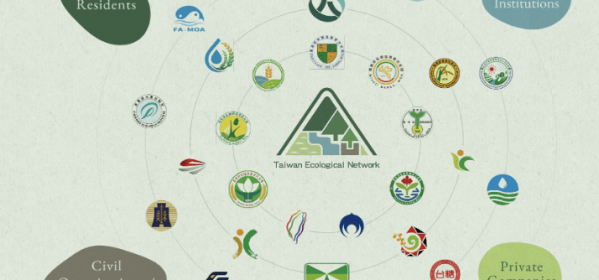
Written by Hwa-Ching Lin, Chih-Chin Shih, Hsiao-Tien Hsieh, and Chia-Tzu Chen. This article explores how Taiwan’s conservation vision has broadened from isolated reserves to an island-wide ecological network. Through data-driven planning, nature-based strategies, and cross-sector cooperation, the governance model contributes to ecosystem services that are essential to public safety, human well-being, and sustainable economic development.