Distance Between Goals and Actions: The Challenges of Implementing Legal Frameworks for Climate Change Adaptation in Taiwan 

Written by Chien-Liang Lee. This article examines the evolution of Taiwan’s legal framework for climate change adaptation, identifying gaps between the current framework and the adaptation goals. It argues that the most critical missing link is the lack of robust normative connections between the various special administrative laws. It calls for more cohesive legal mechanisms to better connect multiple relevant sectors involved in climate adaptation actions.
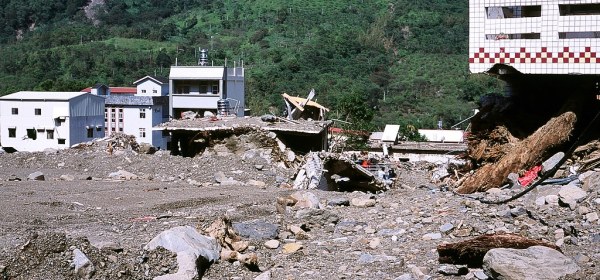
Rukai Tribe’s Millet Farming: Indigenous Knowledge and Climate Change Adaptation Wisdom 

Written by Tzu-Ming Liu. The article discusses how the Rukai tribe’s traditional millet intercropping system not only sustains their food security and cultural heritage but also serves as an effective adaptation strategy to climate change. It also critiques government policies and economic shifts that have neglected these Indigenous practices, leading to environmental injustice and increased vulnerability to extreme weather events.

Conservation and adaptation go hand in hand: on the role of Taiwan Ecological Network in fostering resilient landscapes and seascapes 

Written by Paulina G. Karim and Kuang-Chung Lee. This article discusses how the Taiwan Ecological Network integrates conservation and adaptation strategies to build resilient landscapes and seascapes in the face of climate change, biodiversity loss, and pollution. The authors highlight community-based resilience assessments and adaptive co-management practices, demonstrating the role of Indigenous and local knowledge in safeguarding both ecological systems and community well-being in Taiwan’s socio-ecological production landscapes and seascapes.