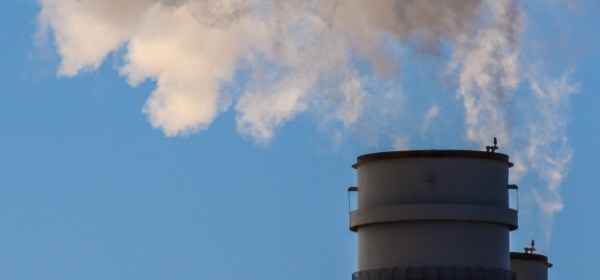
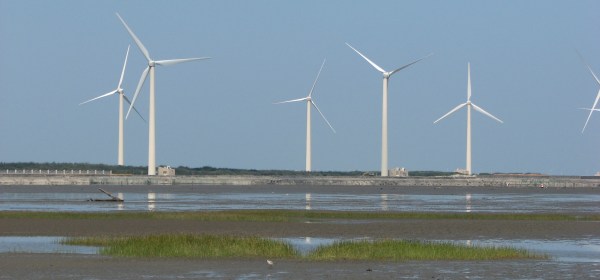
The Power of “Taiwan Can Green”: Energy transitions as a discursive response to Cross-Strait Geopolitical Tensions 

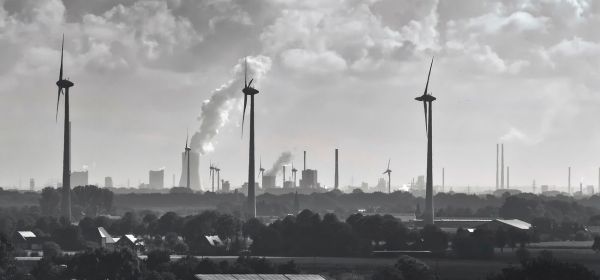
By Anthony Ho-fai Li. This article explores why the Democratic Progressive Party (DPP) has been so committed to the aggressive target of domestic solar energy installation despite intensified controversies since 2016. It argues that its commitment goes hand in hand with enhancing its ideational power through the narrative of “Taiwan can green,” which helps Taiwan navigate the escalating cross-Strait geopolitical tensions and the DPP to cope with domestic political challenges.
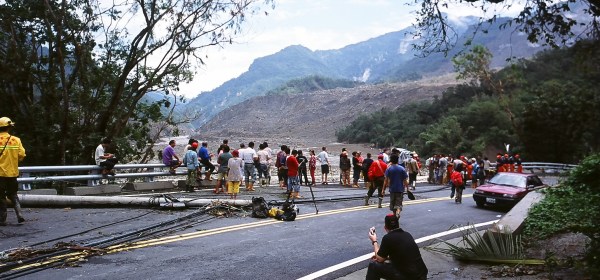
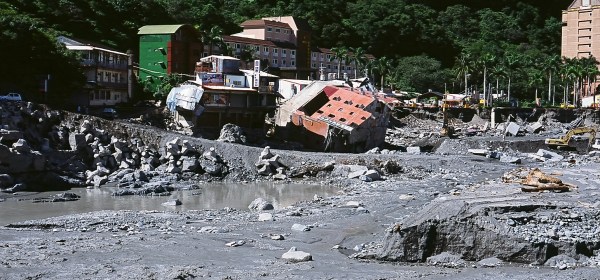
Climate Change Adaptation in Taiwan: Empowerment Workers and Mental Health Challenges in Post-Morakot Reconstruction  

Written by Tzu-Ming Liu. Based on the author’s experience participating in reconstruction after the 2009 Morakot Typhoon, this article focuses on the role of disaster companions (empowerment workers) who connect disaster victims with external resources, highlighting the need for their mental health support for companions and strengthened communication with the government.

Taiwan’s Just Transition: Findings from the 2024 Survey 

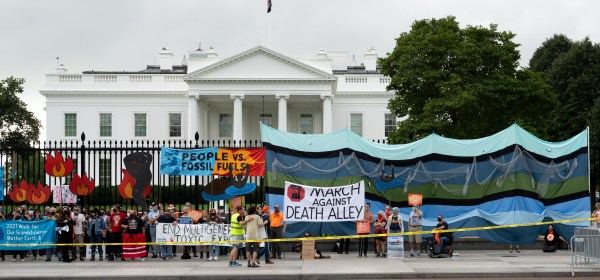
Written by Jiun-Da Lin and Kuei-Tien Chou. The Risk Society and Policy Research Centre at National Taiwan University have been conducting annual surveys on just transition. This article discusses the results of the latest survey in 2024, revealing Taiwanese citizens’ attitudes and understanding of climate change, Net-Zero policies, and their effects on economic inequality. This article further proposes policy recommendations based on the survey to enhance just transition.

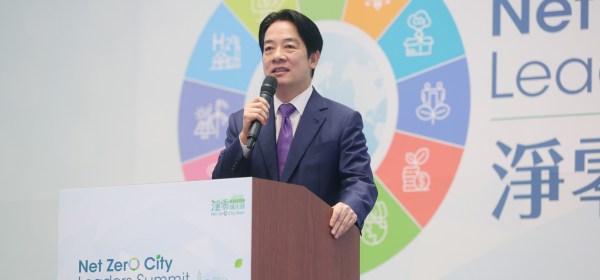
The national Committee on Climate Change: Also a security issue  

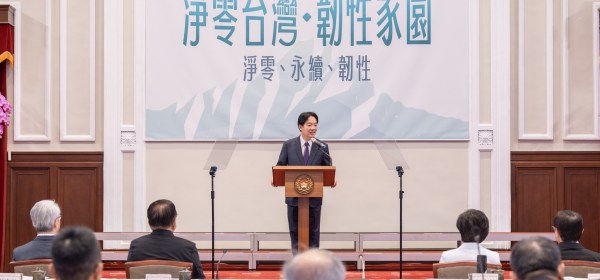
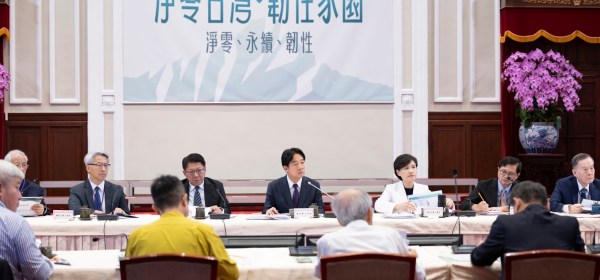
Written by Paul Jobin. This article discusses the challenges and strategic priorities of Taiwan’s national committees placed in the Presidential Office, addressing the issues of climate change, defence resilience, and health. This article reviews the first meeting of the National Climate Change Response Committee to assess the government’s stance on nuclear energy, the priorities of different stakeholders in climate policy, and the potential synergies with Taiwan’s defence and health strategies.  

Taiwan’s 2024 Presidential Candidates: How Do They Fare on the Climate?  

Written by Chia-wei Chao & Benjamin Yang. When it comes to the climate, all three candidates in Taiwan’s upcoming presidential election have emphasised the importance of taking action and committed to achieving net-zero emissions by 2050. The main driver behind this mainstreaming of climate policy is the fact that supply chain requirements have made the country’s export competitiveness highly connected to climate performance. Therefore, we must scrutinise the comprehensiveness of each candidate’s policy proposals, rather than solely relying on whether they are climate denialists, to distinguish their positions. Taiwan Climate Action Network (TCAN), a collaborative advocacy platform organised by five NGOs, has thus produced a climate commitment tracker to compare their positions on seven key climate-related policies: (1) 2030 emissions reduction target, (2) carbon pricing strategies, (3) 2030 power mix, (4) renewable energy development plan, (5) industrial decarbonisation, (6) public participation, and (7) just transition. In this article, we will focus specifically on their 2030 pledges, carbon pricing strategies, and just transition policies.

Sustainable Traditional Knowledge: Land Ethics and Disaster Resilience in Cinsbu 

Written by Bayis Atung; translated by Yu-Chen Chuang. In recent years, due to climate change, community members have begun to think more about how to minimise the impact of disasters before they occur. When engaging in farming, we have started to think and take action to incorporate traditional land use knowledge from the past. We continuously experiment and face challenges, ultimately returning to traditional land use and cultivation ethics. We have discovered that this approach can be used to adapt to and address climate change, as it helps Cinsbu adapt to the ever-changing challenges posed by disasters. In this article, I share our land ethics and explain how sustainable land use relates to disaster prevention. Even though the intensity of climate change has increased, the Tayal people have not given up on using the land. Instead, there have been even more changes in how we use the land.

Indigenous Disaster Justice: Reflecting on Typhoon Morakot Recovery 

Written by Yi-Te Yu. In the past two decades, Taiwan has endured two major disasters: the 921 Earthquake in 1999 and Typhoon Morakot in 2009. Both events resulted in immense loss of life and property. The Indigenous regions of Taiwan, in particular, have borne the enduring impact that is yet to see a complete recovery. Taking Typhoon Morakot in 2009 as an example, during its onslaught in Taiwan, it unleashed a record-breaking deluge of rain. This led to a large-scale landslide in Mt. Xiandu(獻肚) in Jiaxian District, Kaohsiung, burying the village Xiaolin beneath a deluge of soil and debris. Moreover, this catastrophe also inflicted the mountainous Indigenous communities in the central and southern regions of Taiwan, including Chiayi, Kaohsiung, Pingtung, and Taitung counties, with the onslaught of floods, landslides, and debris flows. In total, it resulted in 678 fatalities and 33 injuries. 

1 2 3