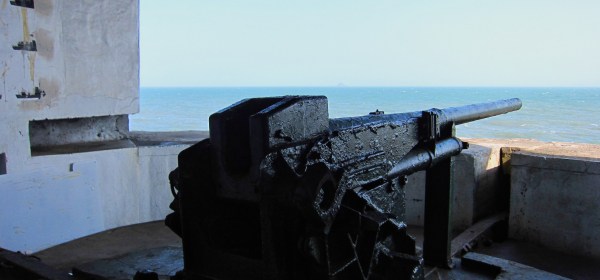
The Porcupine Strategy: Taiwan’s Road to Self-Defense

Written by Dominika Remžová and Dominika Urhová. The article begins with the modernisation of China’s military and its implications for Taiwan’s defense strategies. It emphasises the need for Taiwan to adopt asymmetric warfare approaches amid increasing Chinese military pressures and to reform its armed forces. Taiwan’s reliance on its critical semiconductor industry is also highlighted, showcasing its strategic importance.

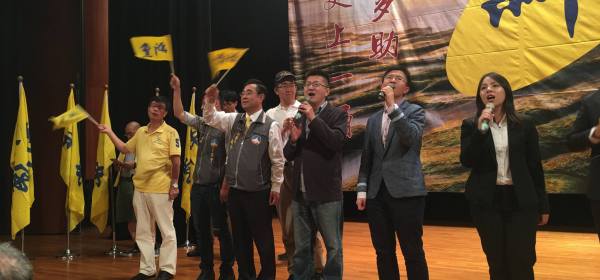
The Earth Thunders: A Preliminary Study of the New Party’s Ideological Transformation Through Its Lyrics’ Modification

Written by Jonathan Leung. This article examines the ideological transformation of the New Party through its theme song, The Earth Thunders. It argues that the party abandons the ROC identity and liberal ideologies and moves closer to China and Chinese nationalist sentiments. The slight modification of the lyrics portrays this counter-cultural move.

Taiwan in the Olympics: From ROC to Chinese Taipei

Written by Marcus P. Chu. This article reviews Taiwan’s journey of participation in the Olympics, from the representation of the ROC to Chinese Taipei. It highlights the Nagoya Resolution and Lausanne Agreement as fundamental to Taiwan’s participation. Such a formula is challenged by recent ongoing demands for name rectification, which raises questions about Taiwan’s future in the Olympics.

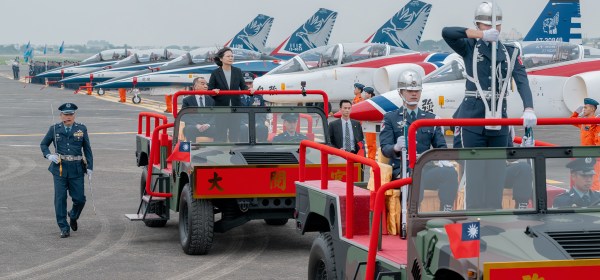
The trend of Grey Zone Conflict by China toward Taiwan during the presidency of Tsai Ing-Wen

Written by Ping-Yang Chao. This article examines China’s Grey Zone Conflict strategy employed since the Tsai Ing-wen’s presidency. These incursions became more frequent and intensive particularly after the visit of former US House speaker Nancy Pelosi. China is attempting to establish a “new normal” and intimidate Taiwan without triggering war and international intervention.

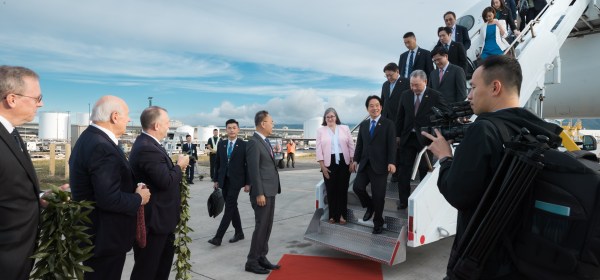
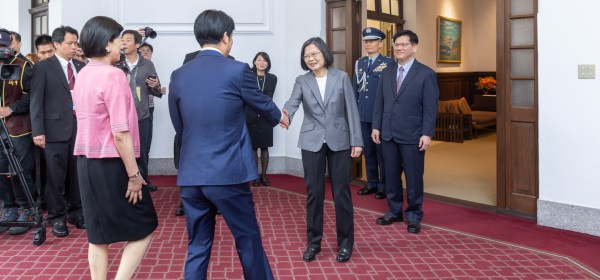
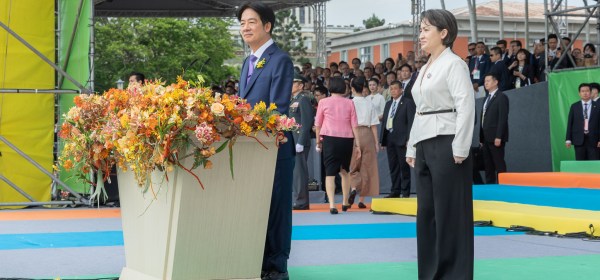
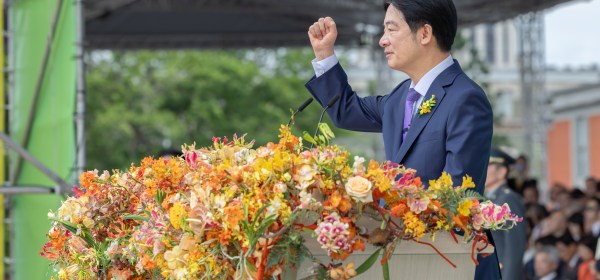
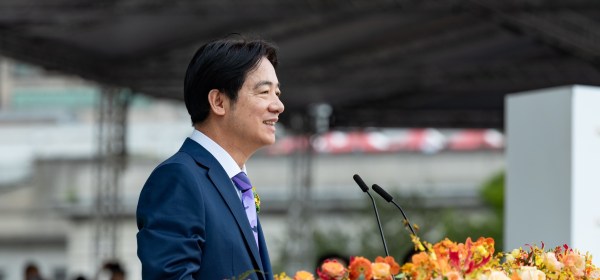
Deviation or Continuation of Tsai’s Approach to Cross-Strait Relations? A few hints from President Lai’s Inaugural Address

Written by Dr Chieh-chi HSIEH. Based on President Lai Ching-Te’s inaugural speech, this article argues that Lai is likely to adopt a ‘passive responsiveness’ approach when engaging with the Chinese government in the next four years. This is a continuation of President Tsai’s strategy on cross-strait relations, only responding firmly when the circumstances are pertinent.

Navigating Tensions: China’s Naval Expansion and the Taiwan Strait

Written by Zhekai Li. This article analyses China’s naval expansion in the backdrop of President Lai’s inauguration. The author argues that the launch of China’s third aircraft carrier signifies a significant expansion of its naval capabilities and poses new challenge to the balance of power in the Taiwan Strait. The future of Taiwan rests on restraint by all parties more than ever.

Taiwan’s Future under Lai Ching-te’s Leadership: Democracy, Unity, and Uncertainty

Written by Huynh Tam Sang. This article reviews President Lai address’ focus on peace and democracy amidst multiple challenges facing the new president. In particular, the lack of majority in the Legislative Yuan could proved to be a barrier to unity in terms of domestic reforms and foreign policy. His experience and statecraft is demanded to navigate the early days of the administration.

1 2 3 4 12