From Missiles to Malware: India-Pakistan Cyber Rivalry and Lessons for Taiwan 

Written by Sameer Patil. This article discusses how the May 2025 India-Pakistan conflict unveiled a new chapter of cyber warfare and cognitive warfare. As the two nations exchanged conventional blows, an intense battle simultaneously unfolded in cyberspace, targeting digital infrastructure and spreading disinformation. Pakistan aggressively launched cyberattacks and propaganda, while India largely adopted a retaliatory and defensive cyber posture. This highlights the critical and evolving role of cyberspace in modern conflicts and offers key lessons for Taiwan regarding cybersecurity and countering disinformation.

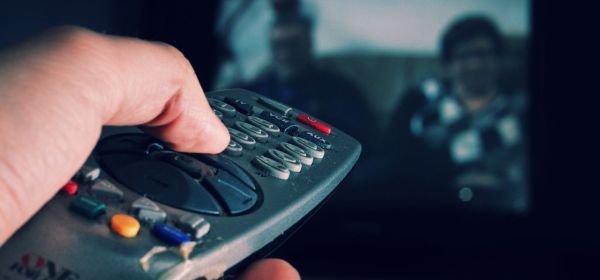
The Disinformation Chorus: How Taiwanese TV Talk Shows Push Chinese Propaganda 

Written by Wei-Ping Li. Taiwan’s political TV talk shows are a contested space in the fight against Chinese disinformation, with some hosts and guests spreading false information and AI tools being used to alter content and disseminate pro-China propaganda. To combat this, Taiwanese media must enforce stricter self-discipline, enhance collaboration with fact-checkers and researchers, and improve public awareness of disinformation’s effects.

Digital Governance Perspectives for Taiwanese and Japanese Civil Society

Written by Tommy Hall and Margaret Siu. In the digital age, politics and technology are more intertwined than ever, especially in East Asia. With nations like Taiwan wrestling with the balance between free speech and foreign interference and Japan pivoting towards advanced tech solutions for national security, the right balance remains elusive, and the stakes perennial. By exploring these critical intersections between online spaces and national politics, this work spotlights the challenges and opportunities that lie ahead for these East Asian democracies, as well as connecting the East Asian experience to the world at large.

Discourse and Disinformation in the Pelosi Visit and Its Aftermath

Written by Brian Hioe. More generally, while several organisations in Taiwan are devoted to fact-checking and combating disinformation, these primarily focus on targeting disinformation that circulates within Taiwan, which aims to affect domestic politics. There is less focus by such organisations on disinformation that spreads about Taiwan in the English-language sphere. Taiwanese generally read news and international discourse about their country in Chinese rather than English, so they may not be aware of disinformation circulating globally about Taiwan. At the same time, the English language world may not be able to verify information circulating in Chinese due to lacking language ability. Perhaps more translingual fact-checking practices must be developed to cope with this issue. This may be the corollary to increased discussion to the fact that the voices of Taiwanese have been left out of international media reporting on the Pelosi visit and military drills that followed.