How Tsai Ing-Wen’s fashion sense can provide explanations for gender inequality within Taiwanese politics

Written by Carlotta Rose Busetto. This article examines Tsai Ing-wen’s fashion in her two successful presidential campaigns and how posting certain outfits online increased her electability. It finds that clothes matter in Taiwan and Tsai was not free to wear what she wanted. Moreover, clothes matter more than gender because Tsai also utilised them to promote her own political agenda.

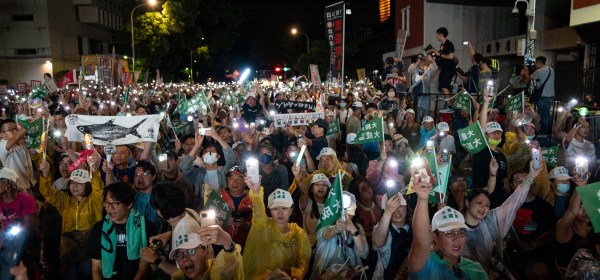
Winners and Losers of the Great Recall Election in Taiwan

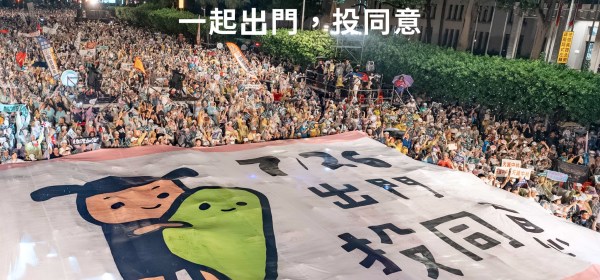
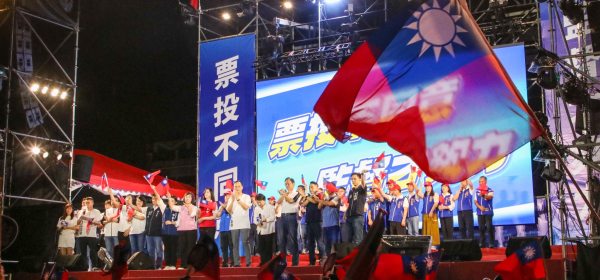
Written by Dr Chieh-chi HSIEH. This article analyses the winners and losers of the great recall election in Taiwan. It argues that while the two opposition parties (KMT and TPP) neither gained nor lost and the DPP is undoubtedly the main loser, the main winner is the Taiwanese society. The self-motivated attempts to recall their respective legislators, albeit unsuccessful, consolidate Taiwan’s democracy.

A Vote of Gladness, A Moment of Disquiet: Taiwan’s Recall Elections Revisited

Written by Meng Kit Tang. Taiwan’s 2025 mass recall movement mobilised unprecedented civic energy but failed to unseat a single lawmaker. This commentary explores how a campaign born of democratic hope left behind deeper polarisation, institutional strain, and little collective pride. The way forward will require not only better laws or more elections, but also maturity, dialogue, reform and healing.

The Great Recall Movement: An Attempt to Restage 2016 That Instead Turned Out to be 2018?

Written by Brian Hioe. This article argues that the great recall movement is more reminiscent of the 2018 than the 2016 elections. The recall movement is sometimes interpreted as the successor of the Bluebird movement last year, but the spectre of the Sunflower Movement still haunts it. Ultimately, however, the dynamics of it are fundamentally different from those of an election.

Choosing Between Confronting China or Reviving the Economy: Why Taiwan’s Recall Campaign Backfired on the Ruling Party

Written by Chang, Chunhao. This article argues that the defeat of the recall campaign indicates that Taiwanese voters are unwilling to reverse electoral outcomes through post-election manoeuvres. The DPP fails to understand the priorities of moderate, unaffiliated, or floating voters. They want responsible governance, not political revenge, and are deeply committed to the democratic process.

KMT Likely to Cry Foul Over Referendum Decision by Central Election Commission

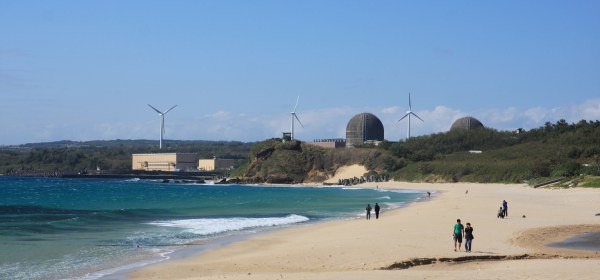
Written by Brian Hioe. The Central Election Commission (CEC) has approved a referendum on resuming operations for the recently shuttered Ma-anshan nuclear power plant, while rejecting a referendum on capital punishment. Although the KMT pushed for both referendums as part of its electoral strategy, it did not appeal to the general public with either referendum, perhaps reflecting weakness of the KMT at the local level.

Indigenous Sovereignty Under Threat: The Fight Against Recent Legislative Setbacks in Taiwan 

Written by Indigenous Youth Front. This article examines the 2024 amendment to the Organization Act of the Council of Indigenous Peoples. It places this controversial amendment within the broader context of the long-term marginalisation of Indigenous peoples in political participation and advocates for actions that uphold genuine Indigenous self-determination.

1 2 3 4