Taiwanese Horror Games and the Ghosts from the Past

Written by Chee-Hann Wu. Taiwanese horror (taishi kongbu) is a rising genre that has claimed an important space in Taiwanese popular culture, particularly in the video game industry since the debut of Detention in 2017. These video games often incorporate elements of Taiwan’s local religions, ritual practices, and mythologies, especially the ones associated with ghosts and other supernatural beings. Although mostly implicit, many Taiwanese horror games contain hints of historical references to the 228 Incident and the White Terror under Martial Law. Malevolent monsters and ghosts become physical incarnations of state-sanctioned violence by perpetrators and accomplices and the suffering of those who were arrested, executed, or silenced. 

How Much Money Could Ghosts Make? A Case Study on the Most Ferocious Female Ghost of Taiwan – Chen Shou Niang  

Written by Yi-Ping Wu. Staying at home, not going to the beach, or climbing mountains, and not even opening an umbrella indoors are just a few taboos everyone must remember when Ghost Month 鬼月 arrives. Although the origin of the concept of Ghost Month is uncertain, the Taiwanese still emphasize the rituals that must be practised and the taboos that must be prohibited during this period. What attracts our attention most is the colossal amount of money that the Taiwanese pay for the rituals, offerings, and joss paper (paper money) to honour their ancestors because their past loved ones could return to the world of living since the gate of the underworld would open on the first day of July on the lunar calendar. The huge income that the cultural concept of Ghost Month contributes reminds us of an interesting question to think about thoroughly: How much money the “ghosts” could make?

The Month of Wild Ghosts: Phenomenon and Thoughts on Pudu in Taiwan’s Government Organizations

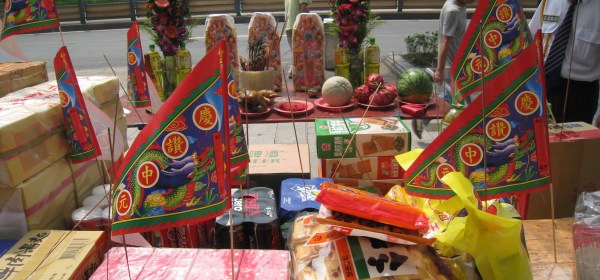
Written by Liang Ting-Yu. Homeless ghosts are also known as “good brothers.” In Taiwan’s civil society, they are not Youying gong​ (有應公) who are sacrificed in ghost temples, but rather a kind of wandering spirits who do not have or appear on memorial tablets, tombstones, or graves, and who are not worshipped by anyone; there are no temples or shrines to which they can return, and no place in which they can take shelter. On the half of the seventh lunar month, commonly known as the “Ghost Month,” local families, stores and companies, temples and Wanshan shrines(萬善祠) offer sacrifices to homeless ghosts in the form of ​Zhongyuan Pudu​(中元普渡)ceremonies and ​Chaodu​ devotions(超渡法會), which are rituals that free ghosts from suffering and reincarnation.

It’s Time for the Ghost Month! 

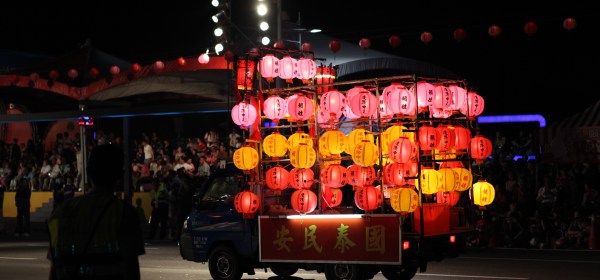
Written by Chee-Hann Wu. Beliefs in the afterlife and in spirits are universal and exist in different cultures and societies. Naturally, ritual practices, ceremonies, festivals, and customs arise, such as Halloween in Western countries and Día de Muertos in Mexico. Similarly, in Taiwan, the year’s seventh month in the lunar calendar is dedicated to ghosts and the deceased. The Gate of the Ghosts opens on the first day of Ghost Month and closes on the last day, during which the spirits enter through the gate and wander the world of the living.