A Third Front: The Pivot of Businesses Towards Activism

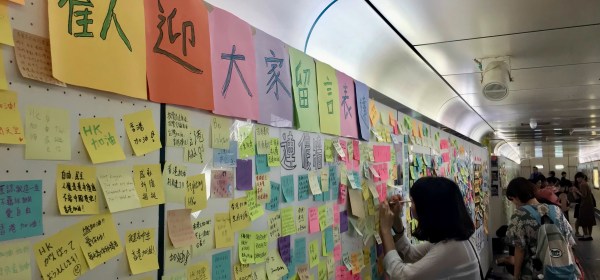
Written by Aleksandrs Gross. This article explores a unique phenomenon that occurred during the recalls – small businesses explicitly voiced their stance on the recalls. This mirrors similar patterns of Hong Kong during the pro-democracy movement in 2019. The author interviewed three pro-recall businesses to understand their stance and how they encourage constructive discussion without alienating opponents.

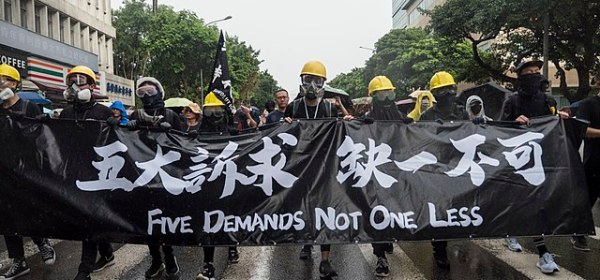
The coming of an overseas Hongkonger identity and Taiwan-Hong Kong connection: Reflection on the Legacy of the Umbrella Movement

Wriiten by Desmond Hok-Man Sham. The Umbrella Movement did not just construct the identity of local Hong Kongers but also overseas Hong Kongers, where Taiwan plays an important role in that process. This article reflects on how the identity was constructed overseas through diaspora mobilisation and activism and the future of Taiwan-Hong Kong connections.

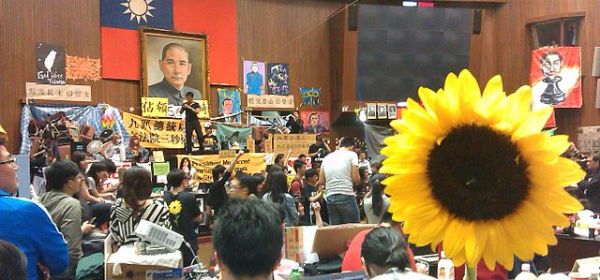
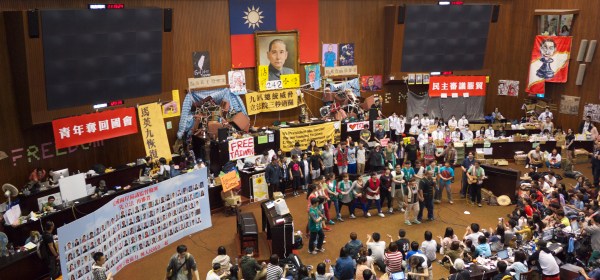
The Sunflower and Umbrella Movements: Ten Years On

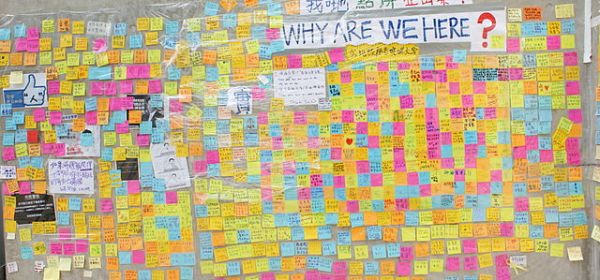
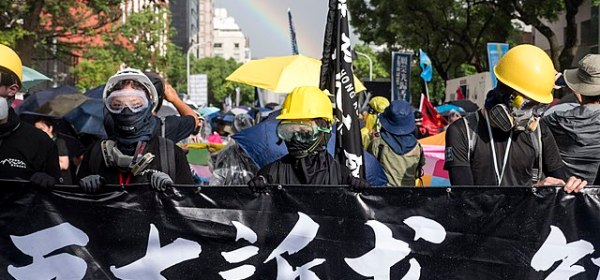
Written by Adrian Chiu. This special issue presents a brilliant line-up of scholars and observers of the two movements which provides insights and perspectives to analyse and reflect on the tenth anniversary of the Sunflower and Umbrella Movements. This introductory piece briefly sets the scene for their excellent analysis by reviewing some of the significant political changes both internationally and domestically.

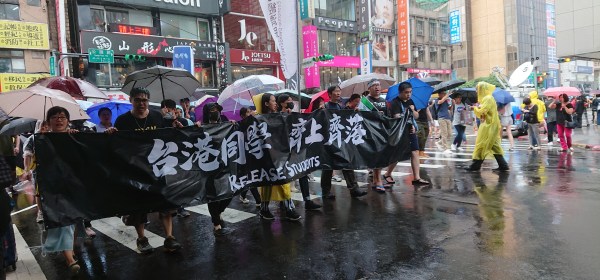
Does “Hong Kong Influence” Linger in the 2024 Taiwan Election?

Written by Sanho Chung. It has been widely recognised that Hong Kong’s Anti-Extradition Movement in 2019 was the turning point of the 2020 General Election in Taiwan. In the last general election, Beijing’s hardline crackdown on the protests in Hong Kong gave rise to the Taiwanese’s mistrust of China and finally brought a big win to the Democratic Progressive Party (DPP), which was expected to lose both their majority over the Legislative Yuan and their presidency. But after three years of National Security Law (NSL) enactment in Hong Kong, the Hong Kong issue in this general election seems no longer as focal as it was. How should we make sense of this huge contrast in attention? Has “Hong Kong Influence” faded out totally?

Hong Kong’s National Security Law 3 years on – Taiwan should build a defence

Written by Michael MO. Hong Kong’s pro-democracy struggle was a hot-button issue in 2020’s Taiwan presidential election campaign. Both President Tsai and former head of Executive Yuan Su Tseng-chang took the city as a case in their speeches to remind the Taiwanese to defend the island and not turn Taiwan into another Hong Kong. Three years on, specific policies to guard the country against the potential legal and political harassment from the extraterritorial application of the NSL remain non-existent. While the issues of Hong Kong may no longer be a concern in the presidential race, the need to build a robust defence to protect Taiwanese interests in Hong Kong should still be on the political agenda of the island.

Unveiling Contemporary Taiwan Identity: What Lesson can we Learn from Dcard’s Responses on the Hong Kong Immigration Wave?

Written by Cheuk Kwan Lau. In January 2023, a BBC news article brought attention to the challenges faced by Hong Kongers who migrated to Taiwan. The news pointed out that Hong Kongers who migrated to Taiwan face institutional obstacles when applying for citizenship. Immigration laws in Taiwan were claimed to be outdated. The migrated Hong Kongers could legally inhabit Taiwan, yet they did not enjoy citizenship and civil rights.  

Instead of exploring the various institutional obstacles they face, this article takes a unique approach by examining the perceptions of the Taiwanese young generation regarding the influx of Hong Kong immigrants. It aims to uncover the contemporary Taiwanese identity constructed by this demographic, previously seen as a strong ally of Hong Kong protestors during the 2019 Anti-Extradition Law Movement.

The Sunflower, the Umbrella, and the Square: How Three Protest Movements in 2014 Foreshadowed Russia and China’s Foreign Policy Approaches in 2022

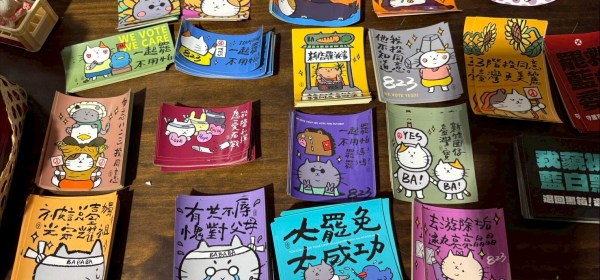
Written by Max Dixon. Therefore, the grievances, tactics and repression of the protest movements outlined here enable a clear foreshadowing of the approaches of Russia and China that would follow. Yet where Ukraine and HK saw their political systems collapse in their post-movement societies, the strength of Taiwan’s democratic institutions and values prevailed. This resulted in negotiating with the Sunflower Movement’s strains and the calls to repress it, which have seen a stronger Taiwan emerge.

Hong Kong and Taiwan, Past and Present

Written by Jieh-min Wu. The deterioration of the situation over the last two years has been largely shaped by the global geopolitical environment, with growing Sino-American tensions or the “New Cold War” playing a critical part in Beijing’s decisions on Hong Kong. Given that the Xi regime is the source of Hong Kong’s political authority, the situation is unlikely to change unless Beijing loosens its grip. Even so, things can be done to preserve a glimmer of hope for the future of democracy in Hong Kong.

Hong Kong is the Canary in the Coalmine: Why We Must Take Xi Jinping’s Words Seriously When It Comes to Taiwan

Written by Dennis Kwok and Johnny Patterson. A little more than a year after the introduction of Hong Kong’s National Security Law, Taiwan does indeed seem to be the next target of an increasingly assertive Chinese foreign policy. PLA warplanes now regularly breach Taiwan’s air defence identification zone, often more than 150 in a row. At the same time, Taiwan has invited US marines to help shore up the island’s military forces. Throughout all of this, the aggressiveness of the rhetoric surrounding these issues continues to ratchet up.

1 2