Religious Transnationalism and Historical Narratives of Taiwan Indigenous Peoples during the 1995 Taiwan Strait Crisis  

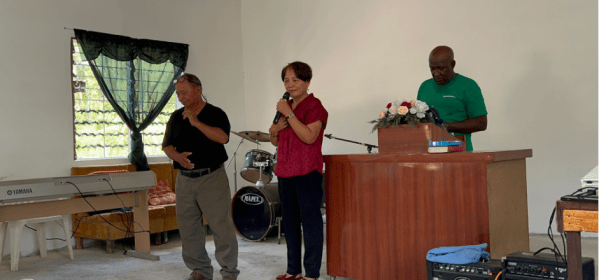
Written by Fasa’ Namoh. This article explores how charismatic Christian prophecy shaped the 1990s migration of Paiwan families from Taiwan to Belize. Drawing on multisited fieldwork in Belize, Taiwan, and the United States, the research examines how religious landscapes and cultural memory are reterritorialised through cross-cultural encounters and diasporic practices.  

Revisiting Research: Indigenous Peoples as Non-State Diplomatic Actors in the Public/Cultural Diplomacy of Taiwan 

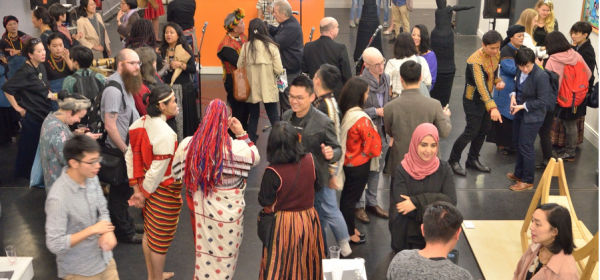
Written by Dr Carla Figueira. This article reflects on the 2024 IJTS Open Access Award-winning paper, “Indigenous Peoples as Non-State Diplomatic Actors in the Public/Cultural Diplomacy of Taiwan: A Case Study of Dispossessions: Performative Encounter(s) of Taiwanese Indigenous Contemporary Art.” It highlights the value of engaging with the personal and social contexts shaping research outputs. It celebrates the growing academic focus on Indigenous Peoples and cultural diplomacy, foregrounding Taiwan’s unique position.

Ontological Entanglements: Indigenous Peoples and the Future of Taiwan  

Written by Scott E. Simon. This article introduces and reflects on the author’s two IJTS Open Access Award-winning papers. Drawing on decades of fieldwork and writing, the author contributes to Taiwan Studies by addressing how indigeneity integrates Indigenous peoples into the state project of post-martial law in Taiwan while emphasizing the need to recognize both Taiwan and its Indigenous peoples as having distinct ontological existence of their own. He calls for an ontological commitment to self-determination amid growing geopolitical precarity.

Rukai Tribe’s Millet Farming: Indigenous Knowledge and Climate Change Adaptation Wisdom 

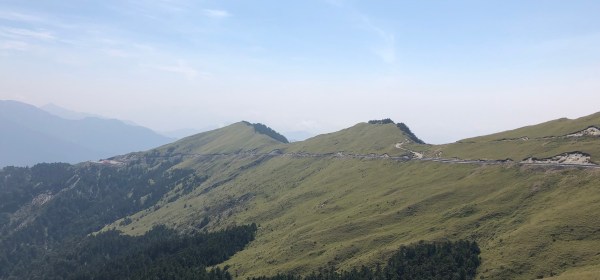
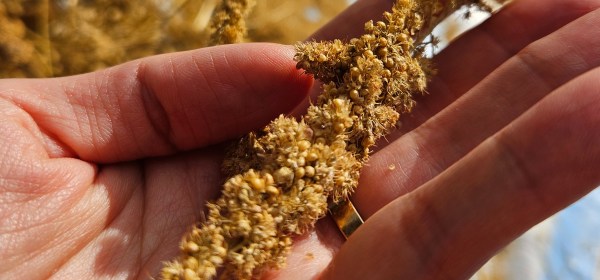
Written by Tzu-Ming Liu. The article discusses how the Rukai tribe’s traditional millet intercropping system not only sustains their food security and cultural heritage but also serves as an effective adaptation strategy to climate change. It also critiques government policies and economic shifts that have neglected these Indigenous practices, leading to environmental injustice and increased vulnerability to extreme weather events.

Climate Change Adaptation in Taiwan: Empowerment Workers and Mental Health Challenges in Post-Morakot Reconstruction  

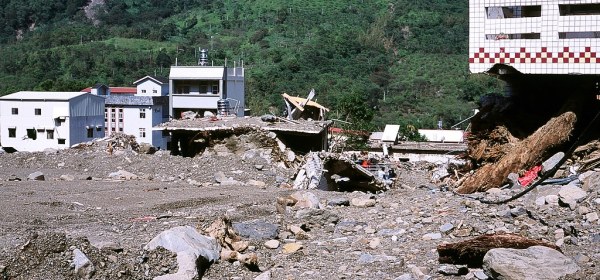
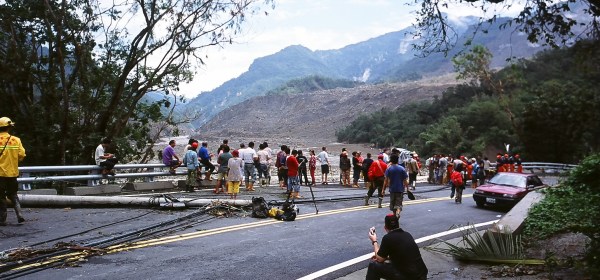
Written by Tzu-Ming Liu. Based on the author’s experience participating in reconstruction after the 2009 Morakot Typhoon, this article focuses on the role of disaster companions (empowerment workers) who connect disaster victims with external resources, highlighting the need for their mental health support for companions and strengthened communication with the government.

Doing Taiwanese Indigenous Studies in North America: Politics of the Frontier(s)

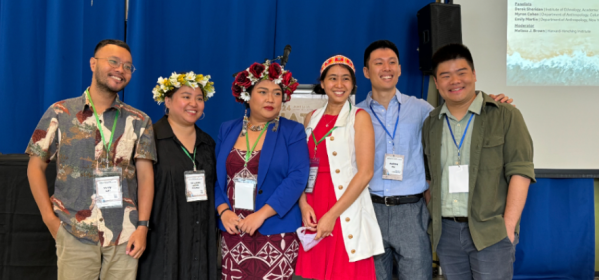
Written by Aaron Su and Chao-Kai Huang. This article highlights the need to move beyond simply representing Indigenous voices and towards a transformative approach that centres Indigenous perspectives and experiences. It focuses on a roundtable discussion featuring three Taiwanese Indigenous scholars who share their experiences navigating Indigenous studies in both Taiwan and North America. The speakers emphasised the importance of building relationships and solidarity across disciplines and beyond institutions, advocating for a more equitable and comprehensive understanding of Indigenous peoples and histories.

Indigenous Language Education in Taiwan: From Language Preservation to Community-Based Learning 

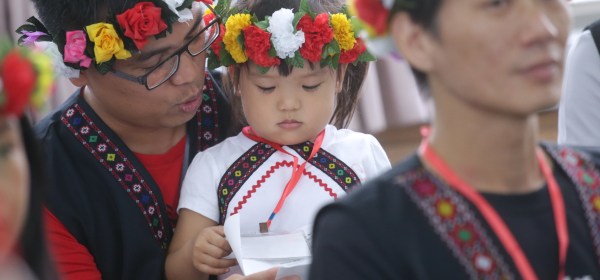
Written by Yang-Hsun Hou, Nikal Kabala’an (a.k.a. Margaret Yun-Pu Tu), and Huiyu Lin. As the Taiwan government has been pushing efforts for Indigenous Language Revitalization and Reclamation, this article highlights the importance of transitioning from government-led preservation to community-based, Indigenous-led education approaches, ensuring that culturally sustaining practices are truly integrated into Indigenous language teaching and learning.  

Is Integrating Possible? Towards weaving knowledges to transform care

Written by Wasiq Silan. This article critiques the superficial integration of Indigenous perspectives within Taiwan’s multiculturalist policy framework, arguing for a transformative approach that prioritises Indigenous knowledge systems in long-term care policies. Highlighting the idea of “weaving knowledge,” it seeks to recentre Indigenous onto epistemologies and challenge the deep-rooted colonial present.

Decolonisation of Multicultural Taiwan

Written by Yulia Nesterova. Although Taiwan has made remarkable progress in transforming into a flourishing multicultural democracy over the past three decades, it still faces challenges in fully decolonising its multicultural vision. Focusing on education policies, this article highlights the need for further actions to address historical injustices and reconciliation.

Neither Green nor Just: The DPP’s Reckoning with Environmental Justice 

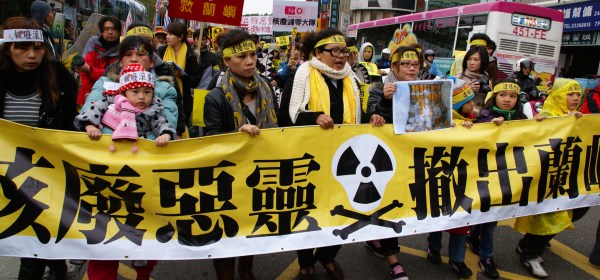
Written by Dominika Remžová. The Russian weaponisation of gas supplies has sparked a renewed interest in Taiwan’s energy security, placing the DPP’s anti-nuclear policies at the centre of attention. On the one hand, both energy and national security experts have criticised the DPP’s continuing nuclear phase-out for pushing Taiwan, which in 2022 imported more than 97% of its energy, into an increasingly precarious position. The opposition, on the other hand, has criticised the party’s 2025 energy mix formula (i.e., 20% renewable energy, 30% coal, and 50% LNG) for its inconsistency with international trends, namely the increasing role of nuclear energy in global decarbonisation efforts, which the DPP countered by referring to industry-wide trends, such as the renewable energy focus of the RE100 initiative, instead.  

1 2 3 6