Lai Ching-te’s Leadership on the Line in Taiwan’s Budget Standoff

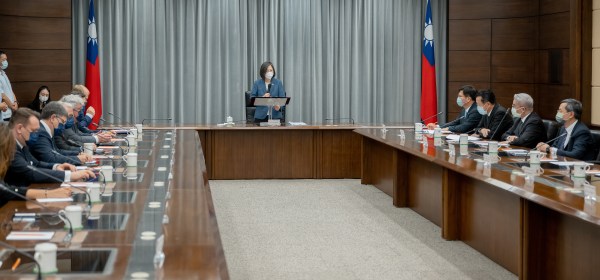
Written by Meng Kit Tang. Taiwanese President Lai Ching-te faces a critical leadership test amid a budget standoff with an opposition-controlled legislature. Key defence cuts, including Taiwan’s submarine program, raise security concerns. Lai must balance strong leadership and negotiation to avoid political paralysis. Lessons from Taiwan’s political history offer guidance for effective crisis management.
Deviation or Continuation of Tsai’s Approach to Cross-Strait Relations? A few hints from President Lai’s Inaugural Address

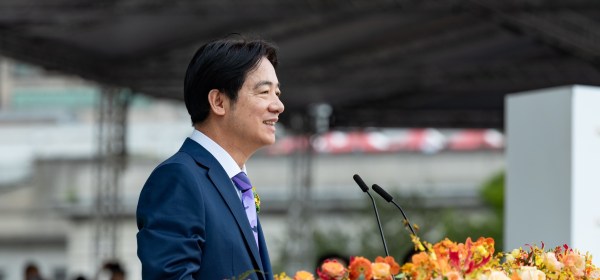
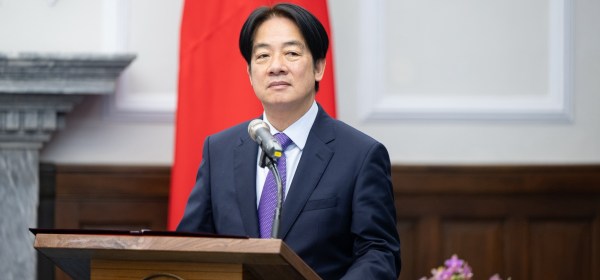
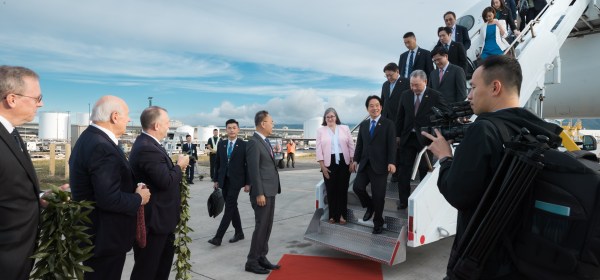
Written by Dr Chieh-chi HSIEH. Based on President Lai Ching-Te’s inaugural speech, this article argues that Lai is likely to adopt a ‘passive responsiveness’ approach when engaging with the Chinese government in the next four years. This is a continuation of President Tsai’s strategy on cross-strait relations, only responding firmly when the circumstances are pertinent.

En route to the new beginning of Taiwan and Exiled Tibetan Relations?

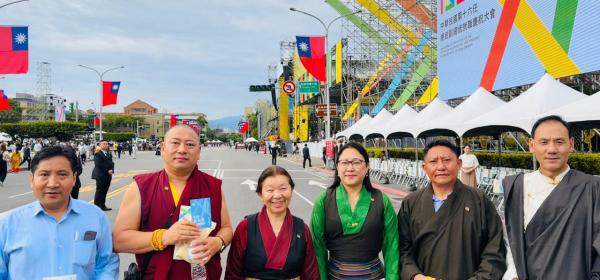
Written by Dolma Tsering. President Lai’s administration could mark a new beginning for Taiwan and exiled Tibetan relations by inviting the representatives of the Tibetan government in exile to attend the inauguration. This article reviews subtle changes that have been happening under the Tsai administration in its approach to dealing with Tibet and suggests reasons for optimism for positive relations under Lai.

Taiwan’s Future under Lai Ching-te’s Leadership: Democracy, Unity, and Uncertainty

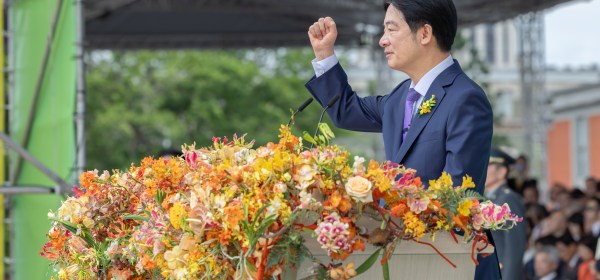
Written by Huynh Tam Sang. This article reviews President Lai address’ focus on peace and democracy amidst multiple challenges facing the new president. In particular, the lack of majority in the Legislative Yuan could proved to be a barrier to unity in terms of domestic reforms and foreign policy. His experience and statecraft is demanded to navigate the early days of the administration.

The 2024 Taiwanese General Elections: Fierce Moderate Lai Prevails While Fluid Kingmaker Ko Rises

Written by Jasper Roctus. The polls have closed, and Lai Ching-te of the Democratic Progressive Party (DPP) has won the Taiwanese presidency, beating Hou Yu-ih of the Chinese Nationalist Party (KMT) and Ko Wen-je of the upstart Taiwan People’s Party (TPP). With Lai’s victory, 2024 became the first (post-democratisation) Taiwanese presidential election, where the same party’s nominee was elected three times in succession. Different from its triumphs of 2016 and 2020, the DPP did not emerge from the elections scot-free. Lai ‘only’ obtained forty per cent of the vote compared to Tsai Ing-wen’s two majority landslides, and the DPP lost the legislative majority it had enjoyed since 2016. Although this result aligned with earlier predictions, there is still a lot that merits further discussion.

Taiwan Election 2024: What it Means for the Island’s Future Engagement with the Asia-Pacific Region

Written by Raian Hossain. Now that the election results are in, the period of intense suspense and electoral speculation has concluded. The issue of cross-strait relations remains unresolved, as the People’s Republic of China (PRC) insists that the Republic of China (ROC), often known as Taiwan, is a separatist province of the mainland and aims for reunification. For the first time in history, Taiwan has re-elected the same political party to govern the democratic island for a third consecutive term. The election of Lai Ching-te on Saturday signifies a strong counter to the People’s Republic of China’s (PRC) forceful stance and intimidation tactics towards the island. The primary challenge now is how Lai’s new government will maintain its relations with Beijing and navigate the complex triangular dynamics of the US, China, and Taiwan.

The Fluidity of the Presidential Field

Written by Jonathan Sullivan. Although the main parties have nominated their Presidential candidates, the composition of the field remains fluid and unsettled. On the DPP side, current VP Lai Ching-te long ago locked down the nomination unopposed, and as a continuity candidate enjoying the benefits of incumbency, his campaigning thus far has been relatively smooth. However, Lai’s responsibility for answering any gripes with government policy over the last eight years and the stubborn ceiling to his poll numbers over the last few months suggest substantial challenges to come. But for now, the main uncertainties and drama are on the opposing side of the fence.

Taiwan’s 2024 presidential election candidates: What will Hou or Lai’s election mean for tensions across the Taiwan Strait?

Written by Corey Lee Bell. Taiwan’s main opposition party, the Beijing-friendly Kuomintang (KMT), recently selected its candidate for the 2024 presidential election. With the main competitors for Taiwan’s top job essentially locked in, each has been interrogated on their policies on cross-strait relations in recent weeks. With tensions high across the Taiwan Strait, and between Beijing and Washington, what each candidate stands for could have profound ramifications for, and perhaps even beyond, the Indo-Pacific region.