Distance Between Goals and Actions: The Challenges of Implementing Legal Frameworks for Climate Change Adaptation in Taiwan 

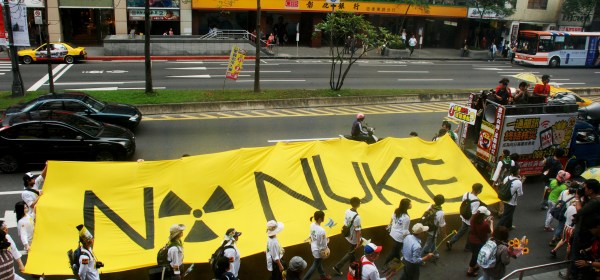
Written by Chien-Liang Lee. This article examines the evolution of Taiwan’s legal framework for climate change adaptation, identifying gaps between the current framework and the adaptation goals. It argues that the most critical missing link is the lack of robust normative connections between the various special administrative laws. It calls for more cohesive legal mechanisms to better connect multiple relevant sectors involved in climate adaptation actions.

#MeToo Cases Lead to Legal Hotline for Victims. But Will This Change Engrained Social Attitudes?

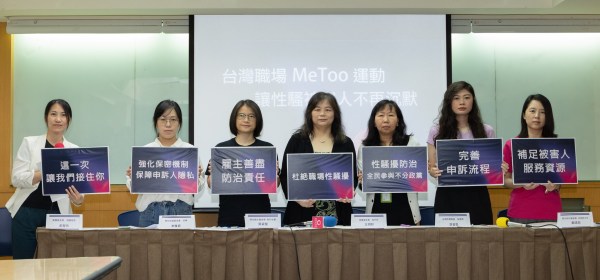
Written by Darice D. Chang, Caritta Lin, and Rita Jhang. The #MeToo movement blossomed in Taiwan in May 2023 partly due to a successful TV show, Wave Makers, which features sexual harassment in the political world and partly due to several high-profile sexual harassment cases brought to light in Taiwanese politics around the same time. While increased social awareness and scandal brought swift legislative action and increased support for victims in the form of both social support and legal aid, which we will delve into more detail, amendments to laws that have failed victims previously and increasing support are not a definitive solution to an entrenched social issue — instead, we should consider the various factors that have contributed to a society where power based gender violence could be an open secret.

What have we learned from the still-unfolding #MeToo movement in Taiwan?

Written by Weiting Wu. The flames of Taiwan’s #MeToo movement have provided new opportunities to reflect on Confucian and patriarchal influences throughout society. To do so, however, Taiwan must act and work in solidarity to address the long-repressed suffering of #MeToo victims. Then, the transgender population, ethnic minorities, senior citizens, people with disabilities, and so on, may finally have the power to seek their justice.

Judicial Reform in Taiwan in the context of the Citizen Judges Act

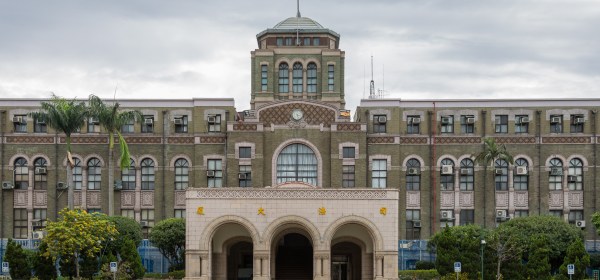
Written by John Burn. In her inauguration speech in 2016, it was claimed that Tsai Ing-Wen received her most rapturous applause for her pledges to institute reform of the judiciary and criminal law proceedings. In a climate of widespread public mistrust in a perceived detachment of judges’ interpretations of the law and public morality, Tsai embarked upon her stage of the long and slow relay of reform. So far, her administration’s most significant stride in this direction has been the Citizen Judges Act, which came into effect on the 1st of January this year. Yet this measure is only the latest legislative development in the long, complicated course of Taiwanese judicial reform.

Tainan Police Murder: A Chance for Total Reform of Police Use of Force Training

Written by Wei-An Tsai. ​​In August 2022, the brutal murder of two police officers on duty in Tainan city sent shock waves through Taiwanese society. The two officers, Tu Ming-cheng (凃明誠) and Tsao Jui-chieh (曹瑞傑), were tipped about a stolen motorcycle and set out to investigate. However, they were later ambushed and killed by the suspect shortly after arriving at the scene, which was in an unpopulated area.​  
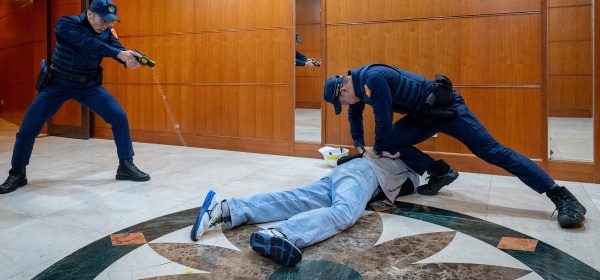
The two officers suffered fatal stab wounds, despite one carrying a gun. The issue of the timing to use firearms quickly became the centre of public debate. In apprehending the suspect on the run, the Interior Minister, Hsu Kuo-yung (徐國勇), instructed police officers “not to hesitate to open fire when faced with resistance.”