Neither Green nor Just: The DPP’s Reckoning with Environmental Justice 

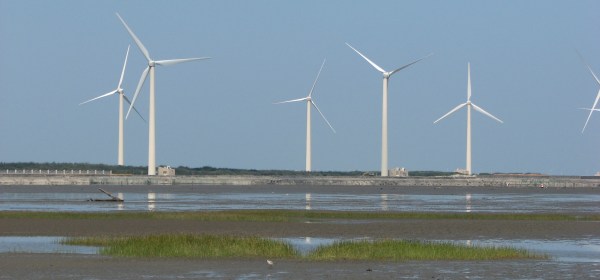
Written by Dominika Remžová. The Russian weaponisation of gas supplies has sparked a renewed interest in Taiwan’s energy security, placing the DPP’s anti-nuclear policies at the centre of attention. On the one hand, both energy and national security experts have criticised the DPP’s continuing nuclear phase-out for pushing Taiwan, which in 2022 imported more than 97% of its energy, into an increasingly precarious position. The opposition, on the other hand, has criticised the party’s 2025 energy mix formula (i.e., 20% renewable energy, 30% coal, and 50% LNG) for its inconsistency with international trends, namely the increasing role of nuclear energy in global decarbonisation efforts, which the DPP countered by referring to industry-wide trends, such as the renewable energy focus of the RE100 initiative, instead.  
Taiwan’s 2024 Presidential Candidates: How Do They Fare on the Climate?  

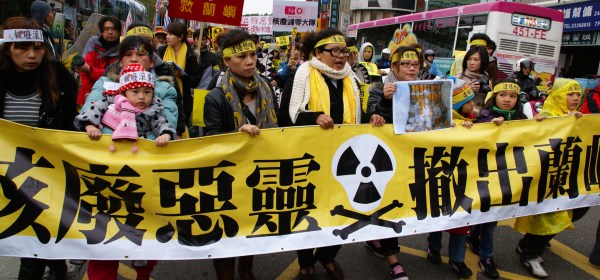
Written by Chia-wei Chao & Benjamin Yang. When it comes to the climate, all three candidates in Taiwan’s upcoming presidential election have emphasised the importance of taking action and committed to achieving net-zero emissions by 2050. The main driver behind this mainstreaming of climate policy is the fact that supply chain requirements have made the country’s export competitiveness highly connected to climate performance. Therefore, we must scrutinise the comprehensiveness of each candidate’s policy proposals, rather than solely relying on whether they are climate denialists, to distinguish their positions. Taiwan Climate Action Network (TCAN), a collaborative advocacy platform organised by five NGOs, has thus produced a climate commitment tracker to compare their positions on seven key climate-related policies: (1) 2030 emissions reduction target, (2) carbon pricing strategies, (3) 2030 power mix, (4) renewable energy development plan, (5) industrial decarbonisation, (6) public participation, and (7) just transition. In this article, we will focus specifically on their 2030 pledges, carbon pricing strategies, and just transition policies.

Taiwan’s energy policy at the crossroads in the presidential election in 2024? 

Written by Anthony Ho-fai Li. Energy policy remains a highly controversial policy arena in Taiwan after democratisation, given its importance for Taiwan’s security, environmental sustainability and economic development. Under the presidency of Tsai Ing-wen, the agenda of “Nuclear-free Homeland 2025” (2025非核家園) proposed by the Democratic Progressive Party (DPP) in 2016 has been subject to political challenges, which involved the debates about the use of nuclear energy beyond 2025 and the reduced capacity of coal-fired electricity plants for air pollution mitigation. The policy strategy to replace nuclear energy with rapid solar energy development has also faced enormous social challenges as its large-scale installation conflicts with the existing land uses.