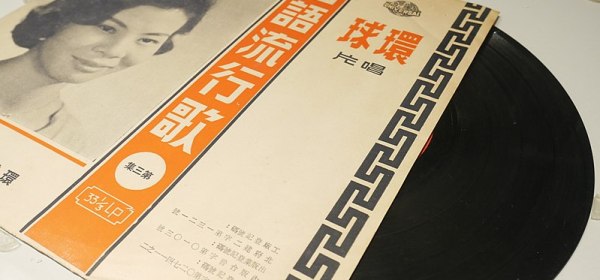
Beyond Voices of Ethnicity: Post-Global Conditions in Taiwan’s Hakka Popular Music

Written by Hsin-Wen Hsu. Since the 2000s, Taiwan’s Hakka popular music has moved beyond themes of rural nostalgia and ethnic affirmation to engage the complexities of post-global conditions. Musicians respond to ecological precarity, translocal migration, shifting borders, and digitally mediated relationships while experimenting with new linguistic and collaborative forms. Hsu traces how Hakka communities navigate socioeconomic changes and evolving identities. In doing so, Hakka popular music becomes a crucial way of hearing Taiwan’s contemporary entanglements and imagining new modes of communal life.
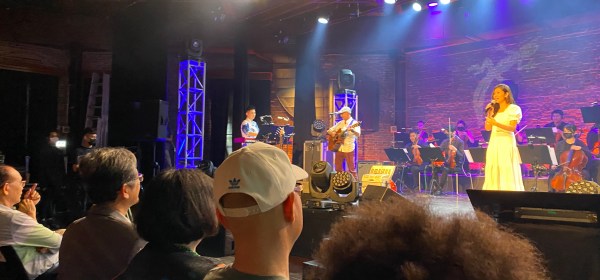

Reflections on the Identity at Indigenous Popular Music Training Camp in Taiwan 

Written by Kuing, Guo-Ting Lin. In recent years, there have been various Indigenous popular music creation and cultivation programmes in Taiwan. For example, the music training camp “Psiwali School” at the Pasiwali Music Festival in Taiwan with the purpose of discovering Indigenous musicians. Another example is the “MINETJUS Electronic Music Production” Programme, which is held by Dark Paradise Records (派樂黛唱片), an independent record label based in Taipei. This initiative blends electronic music and Indigenous culture to help younger musicians turn cultural marginality into unique cultural assets. Most training camps in Taiwan still rely on government support, aiming to strengthen the unique cultural identity of contemporary Indigenous youth and regard this as a catalyst for promoting ethnic diversity. This article examines the meaning of Taiwan’s Indigenous popular music creation and cultivation programmes.

The Search for a Shared Script: A Very Brief History of Writing Lyrics in Taiwanese 

Written by Cheng-Ting Wu. Imagine you are trying to write a song in Taiwanese Southern Min (hereinafter “Taiwanese”). After creating a soulful melody and heartfelt lyrics, you wonder: How should I write them down? You can choose any of the music notations you prefer for melody, from staff to numbered system. For lyrics, regardless of whether you are a native speaker or a learner of Taiwanese, you also have a choice. This brief article discusses this choice or the different strategies in the history of writing music in Taiwanese.

Hoklo Rap and Taiwanese Resistance Vernaculars 

Written by Meredith Schweig. Since the end of the 1980s, when rap music first took root in urban Taiwan, artists have explored the creative possibilities inherent to rhyming in the multiple languages spoken on the island. Early commercial pop-oriented performers like Yu Chengqing tended to rap in Mandarin; acts primarily associated with the underground folk and rock scenes, like Blacklist Workshop and Jutoupi, performed almost exclusively in Hoklo; and American-born Taiwanese teen sensations the LA Boyz peppered their Mandarin and Hoklo verses with English.