
Written by Brian Hioe. US PRESIDENT DONALD TRUMP alarmed earlier this month after comments suggesting that he would decide whether to suspend arms sales to Taiwan after meeting with Chinese President Xi Jinping in April.
Written by Brian Hioe. US PRESIDENT DONALD TRUMP alarmed earlier this month after comments suggesting that he would decide whether to suspend arms sales to Taiwan after meeting with Chinese President Xi Jinping in April.
Written by Baosheng Guo. This article highlights four contradictions in the US’s 2025 National Security Strategy, including the tension between defending Taiwan and the Retrenchment strategy toward China, burden-sharing exceeding allies’ tolerance, aligning allies’ actions with US interests, and maintaining American soft power while abandoning Taiwan’s democratic values.

Written by Chieh-Ting Yeh. This article reviews an eventful year of 2025 in Taiwan-US relations. Defence and trade continue to be the most important issues of the bilateral relationship under the Trump administration. It argues that the narrative surrounding it is fundamentally reactive and does not inspire hope or action. We need a more robust, imaginative, positive, optimistic, uplifting, inspiring, forward-looking, and hopeful narrative for US-Taiwan relations.

Written by Bryn Thomas. This article remembers the survivors of the US bombing of Taipei in May 1945. Although the day was one of the deadliest in Taipei’s history, there are no public memorials to the Taipei Air Raid. In the 80 years since the war, a combination of political realities and dominant narratives has left it largely forgotten, except by those who lived through it.
Written by Colin Aponte. This article analyses what Taiwan’s experience can teach the US about resisting economic coercion at home beyond the so-called silicon shield. It shows that diversification beats dependence, strategic industries can become a form of self-protection and retaliation from China should be expected and prepared for.
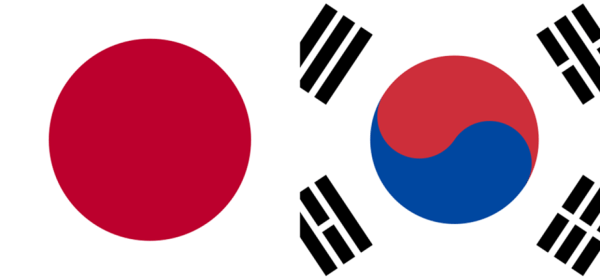
Written by Carlos Francisco Torres Morales. Using an alliance framework, this commentary argues that Tokyo and Seoul’s reluctance to convey support to Taipei publicly stems from strategic caution, since this could provoke the undesired effects they would seek to deter by extending clear security assurances, but also to retain flexibility in their redefining their stances vis-à-vis Taiwan (and China).
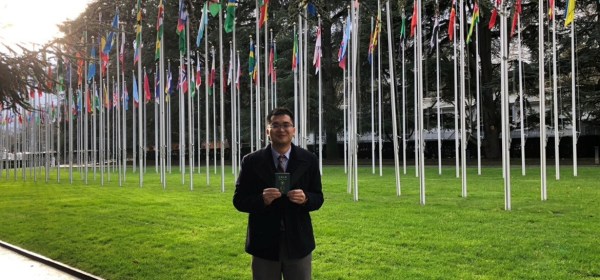
Written by Yenting Lin. This article examines the misinterpretation and misuse of UN Resolution 2758, which defines China’s representation in the UN but not the status of Taiwan. But it has been used by Beijing to endorse the “One China Policy”. Pushback against China’s interpretation has begun to emerge in recent years as Taiwan’s contributions to international society are recognised.
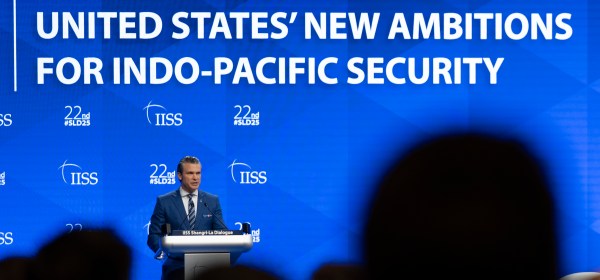
Written by Meng Kit Tang. As tensions rise in the Taiwan Strait, military deterrence has become the dominant narrative. This article argues that renewed dialogue, economic pragmatism, and people-to-people exchanges are equally vital for long-term stability. Drawing on historical precedents and current developments, it outlines practical pathways to reduce risks and rebuild trust.
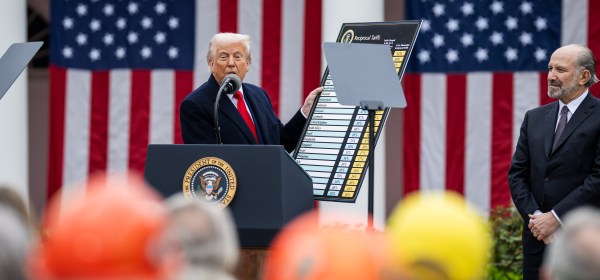
Written by Michael Reilly. This article argues that the implications of Donald Trump’s tariffs for Taiwan are much more serious than a potential 0.43% hit to its GDP growth because the US and China are its two largest export markets, placing Taiwan on the front line of the trade war. Nevertheless, the choices of Taiwan are likely to be forced upon it by the decisions of American companies.
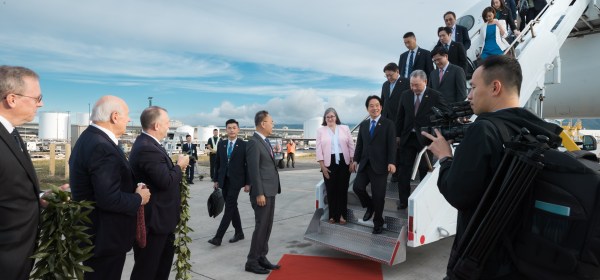
Written by Chen-Dong Tso. This article reviews the cross-Strait strategy of the Biden administration after President Lai characterised the two sides of the Taiwan Strait as “mutual non-subordination”. The administration adopted a nuanced approach of both restraint and support, which the incoming Trump administration might not follow.
 Taiwan Insight