The 2022 Elections in Review: How Taiwan Failed to Adapt Voting for a Pandemic

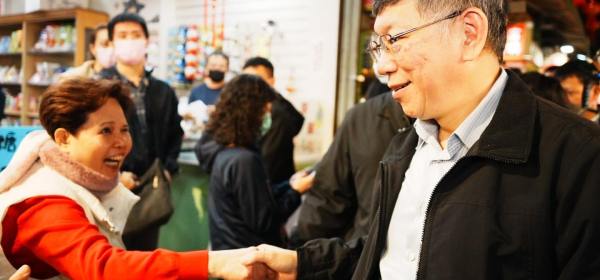
Written by Kharis Templeman. With its colourful and fiercely contested campaigns, efficient electoral administration, and universal acceptance of the results, Taiwan’s recent local elections were, in most ways, a sign of a vibrant and healthy democracy. But one aspect failed to live up to basic democratic standards: thousands of people were denied the right to vote because they were trapped in mandatory COVID quarantine. After nearly three years of dealing with a global pandemic, Taiwan’s leaders should have been able to find some way to accommodate these citizens, as many other countries around the world have managed to do under much more difficult circumstances. Instead, they ignored the issue, and many Taiwanese were denied the right to vote. Taiwan’s democracy has received much recognition recently for its impressive vitality and resilience. But on voting rights, it is now a laggard. It can and must do better.

Reflections on the 2022 Taiwan Local Elections: Demise of Taiwan Identity Politics?

Written by Chia-hung Tsai. From the perspective of identity politics, the 2022 local election results are puzzling. Tsai Ing-wen remains popular, partly because the DPP government successfully contains the Covid-19 pandemic in general while maintaining economic growth. China’s military exercises as revenge for the visit of the US speaker of the House, Nancy Pelosi, seem to drag down Chinese’ image to a lower level. These achievements and events should boost Taiwanese identity and hence favour the DPP candidates. However, the DPP was not credited for the Covid-19 measures, economic growth, and closer relations with the US. Instead, the DPP was criticized for delayed nomination, mismanagement of quarantine policies, and long-standing income inequality. In other words, identity did not play a big part in this election.

‘Ditching the DPP’, ‘Resisting China and Preserving Taiwan’, and Democracy: Interpreting the Results of Local Elections in 2022

Written by Mei-chuan Wei. The election results led many to conclude that Taiwan voters are more concerned about the ruling DPP’s inability to deliver on its promise to create a more just society and less worried about situations in the Taiwan Straits. However, this is misleading if we consider the results of local councils. The seats of local councillors of DPP have increased, while the KMTs have decreased. How, then to interpret the signals sent by the voters as embodied in the election results from the perspective of democracy in Taiwan?

Local elections 2022: The squeezed space for Taiwan’s alternative parties

Written by Dafydd Fell. The general picture in 2022 is one of the challenger parties being further squeezed out of the party system. After the two main parties, the third largest party in the 2022 elections was the TPP, winning Hsinchu City mayor and 14 council seats. However, its impact should not be exaggerated. Despite its greater financial resources compared to other small parties, only 14 out of the TPP’s 86 candidates were elected. Given these results, the party may struggle to be competitive in the next round of national elections in 2024.

How did the DPP perform in the local elections?

Written by Jonathan Leung. Less than a week after the 2022 local elections, the mid-terms showed a completely different result than the national election two years ago. With a landslide victory of 8.17 million votes in the 2020 presidential election, the Democratic Progressive Party (DPP) has only received 4.74 million ballots for the mayoral and magistracy elections. Under Tsai Ing-wen’s leadership, the party has received the highest and lowest votes in history in national and local elections.

Taiwan’s mid-term elections: Most politics is local, the KMT remains a force to be reckoned with, and the DPP needs to regroup

Written by Gerrit van der Wees. The main indicator of how well the parties did, was the number of city mayor and county magistrate positions they gained or lost: the ruling DPP went down from their current number of seven positions to five, while the opposition KMT went down from their current number of 14 to 13, with two of the remaining seats going to independents, and one, Hsinchu City, to the Taiwan People’s Party of Taipei mayor Ko Wen-je. In one location, Chiayi City, the election had to be postponed until December 18 because of the death of a mayoral candidate.

What Are Taiwanese Comics?

Written by Adina Zemanek. It can be argued that the above are examples of creativity driven by state-led ideological aspirations, which cannot find a wide readership in Taiwan. However, they are intensively promoted to international audiences and may shape their perception of Taiwanese comics. At the same time, the number of such works and the state-encouraged discussions may ultimately lead to a shift in local audiences’ expectations.

Semiconductor industry: a shield to Taiwan or the source of insecurity?

Written by Guo-Huei Chen and Ming-En Hsiao. That is why Taiwan’s semiconductor industry is a key element in the strategic competition between the United States and China in science and technology. Losing Taiwan is equivalent to losing the power to speak in future innovative technology. Neither the United States nor China can afford the consequences of losing Taiwan’s semiconductors.

Tibetan Diaspora in Taiwan: Who are They and Why They are Invisible (2)

Written by Dolma Tsering. Taiwan’s dilemma related to TDT reflects the structural challenges of its democratic system that continues to maintain many of the ROC’s political and administrative structures. Some scholars I interviewed argued that constitutional reform related to Tibet and Tibetans would significantly impact the current status quo of Taiwan and its relationship with China. Therefore, because of this complex nexus, Taiwan has failed to reform many of the early nationalist models, and the dilemma related to Tibet is one of them.

1 18 19 20 21 22 26