“Chinese Taipei” or “Team Taiwan”? Exploring Sport and National Identity in Contemporary Taiwan

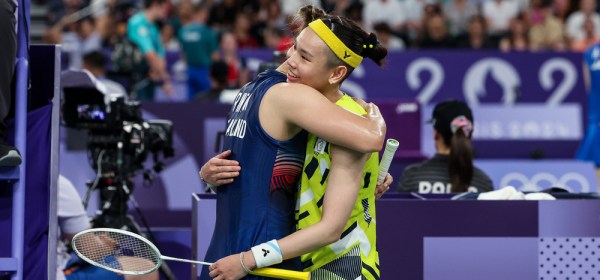
Written by Daniel Yu-Kuei Sun. This article explores the usage of two terms representing Taiwan’s national team, “Team Chinese Taipei” or “Team Chunghwa” and “Team Taiwan”. It observes a gradual shift in traditional media outlets and social media platforms to use the latter. This identity was best articulate in baseball as it is a uniquely Taiwanese sport with marginal presence in Mainland China.

Olympics Continue to Serve as a Stand-in for Identity Contestation

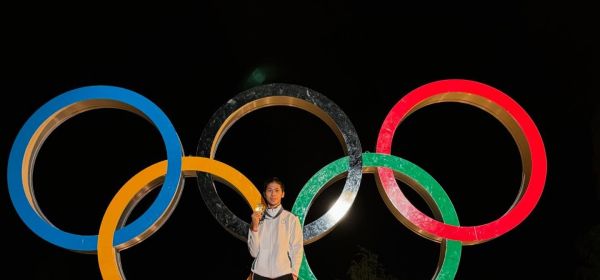
Written by Brian Hioe. This article explores the way in which the Olympics served as a stand-in for contestation about national identity in Taiwan. It compares the 2024 Olympics in Paris with previous Olympics, in response to the national referendum in 2018 on the name of Taiwan’s Olympic team and growing support for the status quo and progressive political values among young people.

Political Implication of Olympic Formula for Taiwanese Spectators in the Stands

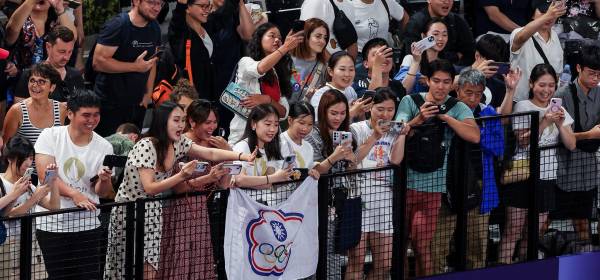
Written by Junwei Yu. This article highlights the political implication of the Olympic Formula of Chinese Taipei for Taiwanese spectators in the stand. The IOC regulations for spectators are relatively vague and that allow different handling of Taiwanese fans in various Olympics and sports events. This article reviews these incidents amidst increasingly assertive Taiwanese identity.

Taiwan in the Olympics: From ROC to Chinese Taipei

Written by Marcus P. Chu. This article reviews Taiwan’s journey of participation in the Olympics, from the representation of the ROC to Chinese Taipei. It highlights the Nagoya Resolution and Lausanne Agreement as fundamental to Taiwan’s participation. Such a formula is challenged by recent ongoing demands for name rectification, which raises questions about Taiwan’s future in the Olympics.

An era of change: Taiwan’s unofficial diplomacy in Eastern Europe during the Tsai Ing-Wen presidency

Written by Eason Leung. This article examines the unofficial diplomacy of Taiwan in Eastern Europe. It identifies a flexible approach of Taiwan in dealing with various Eastern European nations – deepening ties with friendly nations such as Lithuania, Poland and the Czech Republic, while seeking trade and investments opportunities for countries with closer ties with China like Hungary. 

The trend of Grey Zone Conflict by China toward Taiwan during the presidency of Tsai Ing-Wen

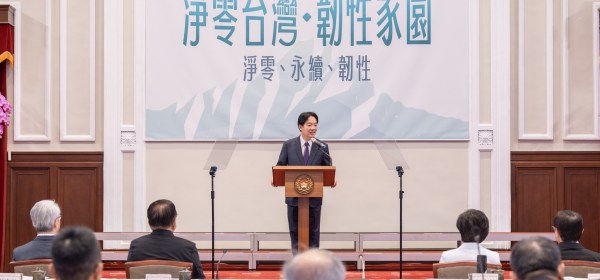
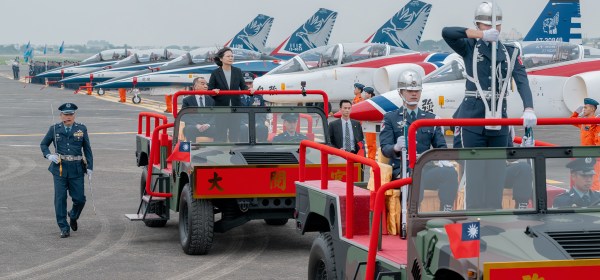
Written by Ping-Yang Chao. This article examines China’s Grey Zone Conflict strategy employed since the Tsai Ing-wen’s presidency. These incursions became more frequent and intensive particularly after the visit of former US House speaker Nancy Pelosi. China is attempting to establish a “new normal” and intimidate Taiwan without triggering war and international intervention.

Taiwanese Psychiatrists’ Cultural Inquiries in the 1950s: Toward a Prehistory of Transcultural Psychiatry and Psychological Anthropology on the Verges of the Japanese and American Empires

Written by Alex Hsu-Chun Liu. This article reviews the cultural inquiries of Taiwanese psychiatrists in the postwar years, a period that saw the birth of transcultural psychiatry. The stories of Hsien Rin and Tsung-Yi Lin revealed the shift from eugenics to socio-cultural psychiatry and contributed to the decolonialisation of psychiatry in a postcolonial society.

An Unseen Legacy: Cold War Liberalism and the Liberal Historiography of Taiwan

Written by Thomas Liang-Chung Wang. This article reviews the discourses of Cold War liberalism in Taiwan, which focuses on the individualistic nature of liberalism. Such a reflection prompts a reappraisal of the present-day concept of the liberal ideal in Taiwan. It questions whether the contemporary vision overlaps with those of refugee liberals, especially on perspectives such as nationalism.

1 7 8 9 10 11 26