Transnational Relay: Lesbian Women’s Cross-Border Use of Assisted Reproductive Technologies and Reproductive Health Precarity in Taiwan

Written by Yu-Ying Hu. This article illustrates how Taiwanese lesbian women navigate cross-border assisted reproduction under conditions of legal exclusion. Moving beyond narratives about reproductive tourism, it conceptualises transnational ART as a precarious yet agentic relay process, showing how vulnerability and resistance intertwine as women coordinate fragmented medical, legal, and logistical systems while bearing unequal reproductive health risks.

Beyond Cisfertility: Expanding the Reproductive Imagination in Taiwan

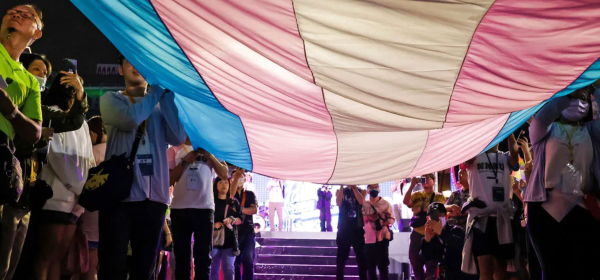
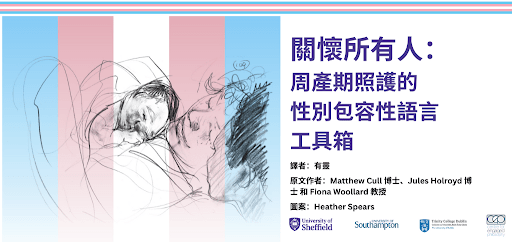
Written by Yo-Ling Chen. This article illustrates how Taiwan’s Assisted Reproduction Act amendments, while expanding access for unmarried women and lesbian couples, continue to exclude many transgender people by anchoring eligibility to legal gender. Tracing legislative debates, activist interventions, and medical research, it exposes a regime of passive eugenics and considers whether recent parliamentary critiques signal a shift toward transgender reproductive justice.

Subsidising Birth: Pronatalist Policy and the Rise of Assisted Reproductive Technologies

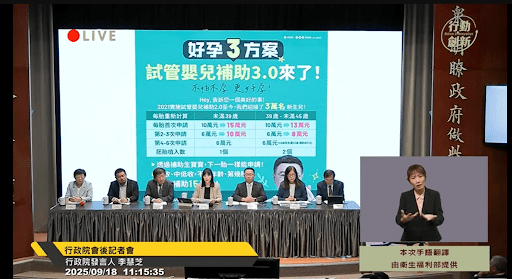
Written by Pei-Chieh Hsu. This article illustrates how state-subsidised assisted reproductive technology has reshaped reproduction in Taiwan, situating Taiwan’s In Vitro Fertilisation (IVF) within global pronatalist regimes, fiscal governance, and demographic anxiety. It analyses policy design, comparative fertility outcomes, and ethnographic IVF experiences to show how subsidies engineered technological dependence while reproducing new social, medical, and moral hierarchies.

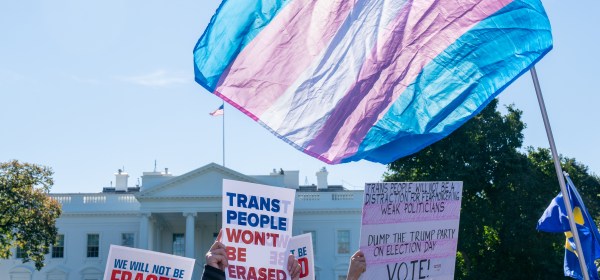
Taiwanese Government Continues to Flounder on Transgender Rights in 2025 Amidst Continued Transphobia

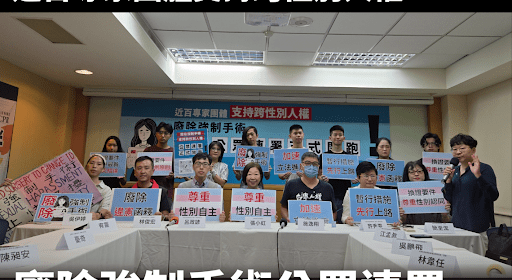
Written by Yo-Ling Chen. This article reviews the year 2025 for Taiwan, which saw growing civil society support for transgender rights alongside intensifying anti-gender mobilisation, often echoing U.S. conservative politics. Yet the government failed to deliver substantive policy reform, maintaining compulsory surgery for legal gender change while sidelining transgender needs in assisted reproduction and conscription policy. The result was political stagnation amid expanding grassroots advocacy.

How Young Taiwanese Women’s Views on Romantic Romance Are Shaping Taiwanese Society

Written by Elspeth Lewis. Taiwan has the lowest birthrate in the world. This article explores this trend by putting women at its centre, challenging what we thought we knew. Beyond the vague idea of becoming more liberal, it explores the difference between the younger generation and their parents. Moreover, the traditional society does not condone the newly created ideas around dating, sex and relationships either.

How Tsai Ing-Wen’s fashion sense can provide explanations for gender inequality within Taiwanese politics

Written by Carlotta Rose Busetto. This article examines Tsai Ing-wen’s fashion in her two successful presidential campaigns and how posting certain outfits online increased her electability. It finds that clothes matter in Taiwan and Tsai was not free to wear what she wanted. Moreover, clothes matter more than gender because Tsai also utilised them to promote her own political agenda.

Gender, Remittances, and Taiwan’s Migrant Worker Financial Ecosystem: Beyond the Numbers

Written by Renee Te-Jung Chen. This article looks beyond the numbers of Taiwan’s Small-Amount Remittance Services for Foreign Migrant Workers from a gender perspective. It argues that the milestone of becoming the primary remittance channel obscures the gendered patterns in adopting the new platform. It suggests that the collection of sex-aggregated data is necessary.

#MeToo movement’s legacies on gender-sensitive social movements in Taiwan  

Written by Ting-Sian Liu. This article explores how gender-sensitive and inclusive environments emerged from the recent Bluebird action, challenging past cultures of misogyny and discrimination. It examines how the #MeToo movement has contributed to creating new spaces for collective healing that push social movements in Taiwan forward in thinking about the politics of difference.

1 2 3 6