Ontological Entanglements: Indigenous Peoples and the Future of Taiwan  

Written by Scott E. Simon. This article introduces and reflects on the author’s two IJTS Open Access Award-winning papers. Drawing on decades of fieldwork and writing, the author contributes to Taiwan Studies by addressing how indigeneity integrates Indigenous peoples into the state project of post-martial law in Taiwan while emphasizing the need to recognize both Taiwan and its Indigenous peoples as having distinct ontological existence of their own. He calls for an ontological commitment to self-determination amid growing geopolitical precarity.

Rukai Tribe’s Millet Farming: Indigenous Knowledge and Climate Change Adaptation Wisdom 

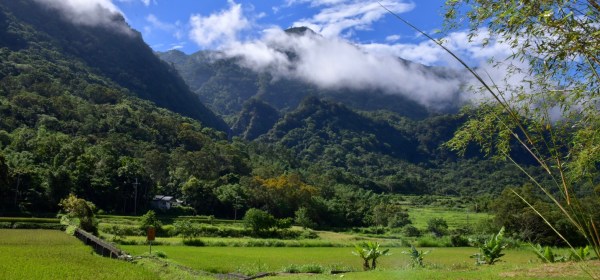
Written by Tzu-Ming Liu. The article discusses how the Rukai tribe’s traditional millet intercropping system not only sustains their food security and cultural heritage but also serves as an effective adaptation strategy to climate change. It also critiques government policies and economic shifts that have neglected these Indigenous practices, leading to environmental injustice and increased vulnerability to extreme weather events.

Climate Change Adaptation in Taiwan: Empowerment Workers and Mental Health Challenges in Post-Morakot Reconstruction  

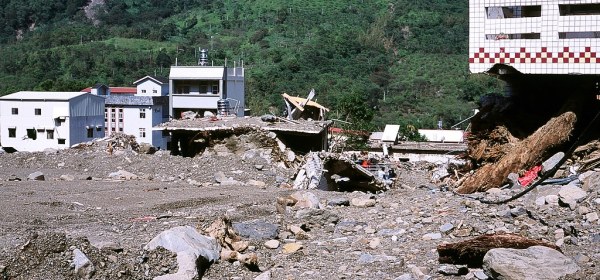
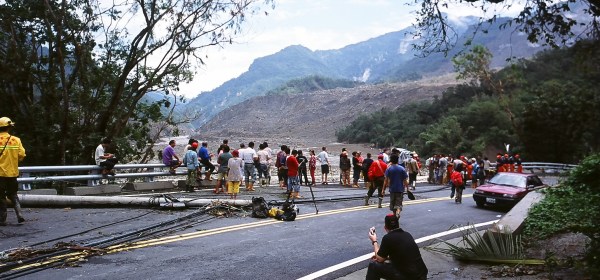
Written by Tzu-Ming Liu. Based on the author’s experience participating in reconstruction after the 2009 Morakot Typhoon, this article focuses on the role of disaster companions (empowerment workers) who connect disaster victims with external resources, highlighting the need for their mental health support for companions and strengthened communication with the government.

Conservation and adaptation go hand in hand: on the role of Taiwan Ecological Network in fostering resilient landscapes and seascapes 

Written by Paulina G. Karim and Kuang-Chung Lee. This article discusses how the Taiwan Ecological Network integrates conservation and adaptation strategies to build resilient landscapes and seascapes in the face of climate change, biodiversity loss, and pollution. The authors highlight community-based resilience assessments and adaptive co-management practices, demonstrating the role of Indigenous and local knowledge in safeguarding both ecological systems and community well-being in Taiwan’s socio-ecological production landscapes and seascapes.

Taiwan Studies Teaching: The Experience of Connecting Teaching and Event Programmes at SOAS University of London

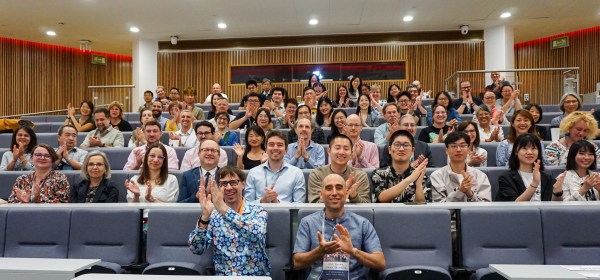
Written by Dafydd Fell. The article traces the establishment of the Taiwan Studies Programme at SOAS and explores how it integrates Taiwan Studies courses with an extensive event program, including lectures, film screenings, and alumni talks. The strategy enhances student engagement, sustains interest in Taiwan-related studies, and fosters academic-community interaction. By combining teaching with real-world experiences, the Taiwan Studies Programme at SOAS successfully maintains a long-term and sustainable environment for Taiwan studies.

Indigenous Sovereignty Under Threat: The Fight Against Recent Legislative Setbacks in Taiwan 

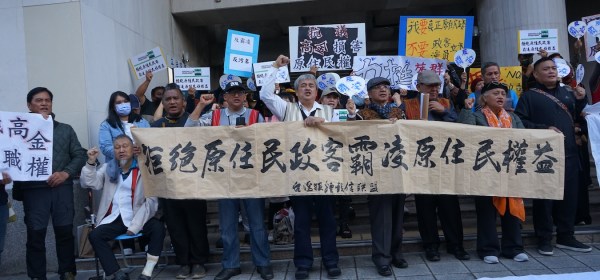
Written by Indigenous Youth Front. This article examines the 2024 amendment to the Organization Act of the Council of Indigenous Peoples. It places this controversial amendment within the broader context of the long-term marginalisation of Indigenous peoples in political participation and advocates for actions that uphold genuine Indigenous self-determination.

Doing Taiwanese Indigenous Studies in North America: Politics of the Frontier(s)

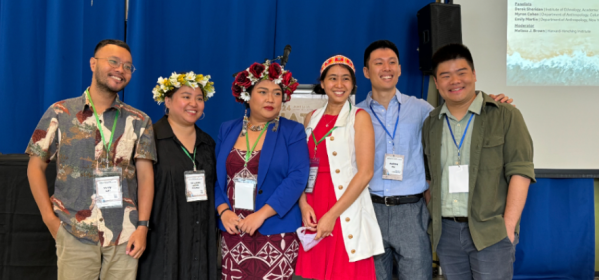
Written by Aaron Su and Chao-Kai Huang. This article highlights the need to move beyond simply representing Indigenous voices and towards a transformative approach that centres Indigenous perspectives and experiences. It focuses on a roundtable discussion featuring three Taiwanese Indigenous scholars who share their experiences navigating Indigenous studies in both Taiwan and North America. The speakers emphasised the importance of building relationships and solidarity across disciplines and beyond institutions, advocating for a more equitable and comprehensive understanding of Indigenous peoples and histories.

The New AI (Artificial Indigeneity): The Rise of Speculative Indigenous Fiction in Taiwan

Written by Ti-han Chang. This article explores a literary landscape where unique Austronesian cultural references blend with fantastical narratives of speculative realism which has given rise to a groundbreaking subgenre in eco-literature, Speculative Indigenous Fiction, in Taiwan. The author calls the new wave of fictional writing the new AI—‘Artificial Indigeneity’.

Beyond Majority Rule: Indigenous Perspectives on Taiwan’s Legislative Controversies 

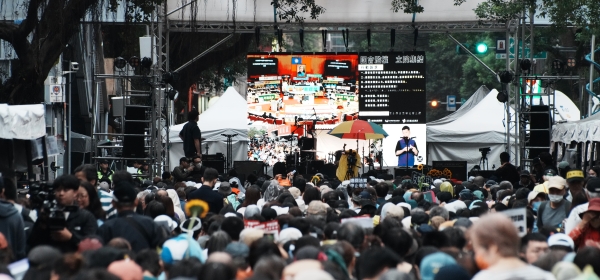
Written by the Taiwan Indigenous Youth Public Participation Association; translated by Yu-Chen Chuang. This article highlights the involvement of Indigenous rights advocacy groups in the Bluebird Movement. They call for Indigenous legislators to prioritise their communities’ rights, foster cross-party collaboration, and address the electoral system’s challenges that hinder effective Indigenous political participation.

Indigenous Language Education in Taiwan: From Language Preservation to Community-Based Learning 

Written by Yang-Hsun Hou, Nikal Kabala’an (a.k.a. Margaret Yun-Pu Tu), and Huiyu Lin. As the Taiwan government has been pushing efforts for Indigenous Language Revitalization and Reclamation, this article highlights the importance of transitioning from government-led preservation to community-based, Indigenous-led education approaches, ensuring that culturally sustaining practices are truly integrated into Indigenous language teaching and learning.  

Is Integrating Possible? Towards weaving knowledges to transform care

Written by Wasiq Silan. This article critiques the superficial integration of Indigenous perspectives within Taiwan’s multiculturalist policy framework, arguing for a transformative approach that prioritises Indigenous knowledge systems in long-term care policies. Highlighting the idea of “weaving knowledge,” it seeks to recentre Indigenous onto epistemologies and challenge the deep-rooted colonial present.

1 2 3 4 10