Co-Listening as Defiance: The Facebook Soundscape of Taiwan’s Sino-Myanmar Gen Z and the 2021 Myanmar Spring Revolution

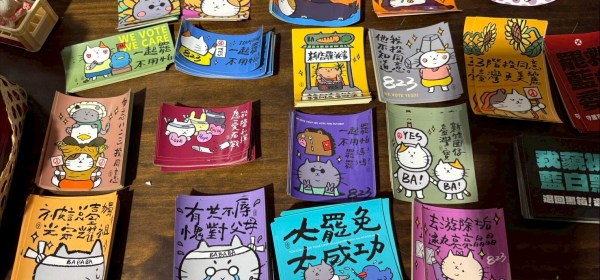
Written by Tasaw Hsin-Chun Lu. After Myanmar’s 2021 coup, Taiwan’s Sino-Myanmar Gen Z created a nightly revolutionary soundscape through Facebook Live. By co-listening to the clang of pots and pans, revived protest anthems, and newly sharpened hip-hop, they transformed distant violence into shared urgency. These circulating sounds stitched together a fragile yet insistent counterpublic, allowing young listeners in Taipei to grieve, rage, and imagine with those in Myanmar. Through this quiet, collective listening, they claimed a sense of belonging that crossed borders and defied the junta’s enforced silence.

From Musical Garbage Trucks to Garbage Consciousness in Taiwan

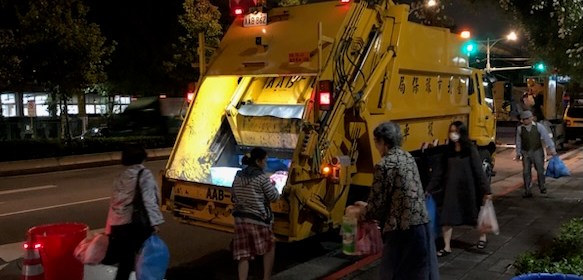
Written by Nancy Guy. Garbage, or rather, thoughts of garbage, are part of daily life in Taiwan. This is illustrated in the practices of individuals and households as they manage the material byproducts of everyday living. It is also reflected in all manner of creative practice. This post introduces the music of garbage trucks, the ‘Maiden’s Prayer’, not only on the music, but to social context with the music and Taiwan’s ‘throwing garbage’ culture.

Beyond Voices of Ethnicity: Post-Global Conditions in Taiwan’s Hakka Popular Music

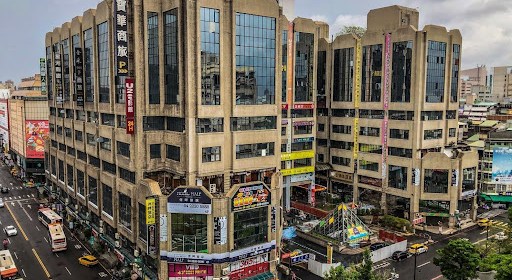
Written by Hsin-Wen Hsu. Since the 2000s, Taiwan’s Hakka popular music has moved beyond themes of rural nostalgia and ethnic affirmation to engage the complexities of post-global conditions. Musicians respond to ecological precarity, translocal migration, shifting borders, and digitally mediated relationships while experimenting with new linguistic and collaborative forms. Hsu traces how Hakka communities navigate socioeconomic changes and evolving identities. In doing so, Hakka popular music becomes a crucial way of hearing Taiwan’s contemporary entanglements and imagining new modes of communal life.

Listening for the Songs of Home: Tracing the Unheard Vietnamese Soundscape in Taiwan

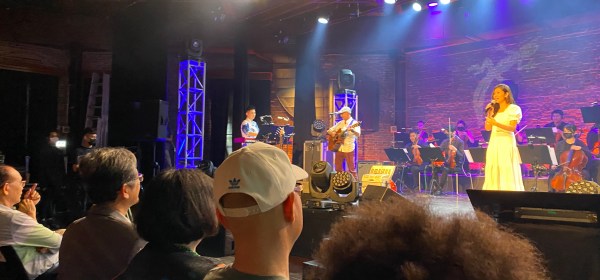
Written by Kuo Ta-Hsin. This piece introduces the Vietnamese presence in Taiwan, through different sonic performances, to link Vietnamese students and/or migrants closer to their home. It is just for instance, In the karaoke rooms and Vietnamese eateries of Taichung, memory meets reality. Voices turn into acts of belonging, and to sing is to remain Vietnamese, even far from home.

Singing for the Mountain Lands: A Pivotal Indigenous Music Concert in Taiwan

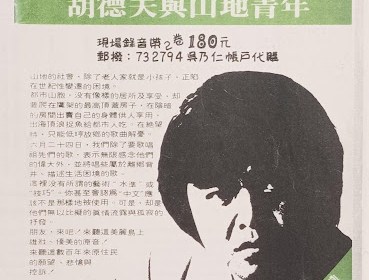
Written by Eric Scheihagen. The author illustrates the 1984 Singing for the Mountain Lands concert in Taipei, organised shortly after the Haishan Coal Mine Disaster, which killed mostly Amis miners. It details how Indigenous musicians and activists, led by Hu Defu, used the concert to raise funds and publicly address discrimination, harmful stereotypes, and political issues. The event became an important milestone in Taiwan’s growing Indigenous rights movement and helped catalyse later organising efforts, including the formation of the Taiwan Association for Promoting Indigenous Rights.

Hopeful Reset or Regression? Cheng Li-wun through the eyes of younger Taiwanese

Written by Aleksandrs Gross. This article examines Cheng Li-wun’s leadership through the eyes of the younger generation. Not only did her statements on identity and Taiwan’s future fail to resonate with younger people, but she also failed to address livelihood issues such as high housing prices, inflation and employment pressure, which are seen as the most critical issues for younger Taiwanese.

Vietnam Kinmen Association (Fuji Temple): A Symbol of Taiwan’s Soft Diplomacy in Saigon before 1975

Written by Meiyuan Kou. This article traces the history of the Kinmen Association (Fuji Temple) in Saigon-Cholon, established in the early 1970s as both a religious hub for Kinmen migrants and a channel of Taiwan’s soft diplomacy in South Vietnam. It examines how this small community institution fostered transnational ties, cultural continuity, and identity preservation across shifting political landscapes before and after 1975.

Of Swallows and Nests: The Migration Trajectories of Kinmen’s Wartime Generation and Their Return Home

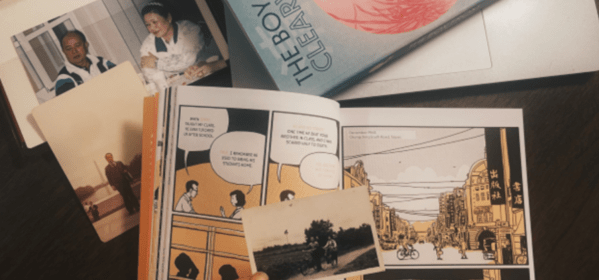
Written by Junbin Tan. This article traces the Lin family’s multigenerational migration from wartime Kinmen Island to Southeast Asia and beyond. Anchored in an ethnographic encounter with Grandma Lin and her family, the author follows the Lins’ migratory trajectories of departure, separation and eventual return, revealing how Kinmenese mobility was shaped by political restriction, economic necessity, and the moral economies of kinship.

Taiwan’s Food Culture as a Cure for Overtourism

Written by Gita T. This article argues that Taiwan has a chance to avoid overtourism and achieve ESG goals by leveraging its food culture. Taiwan’s snack-based dining offers a natural way to spread visitors beyond overcrowded sites. This could include gamified snack trails, an authentic cultural experience, and curated insider routes for continuity travellers.

​​​NATSA 2025 Conference Note: ​​A Cross-Cultural Literary Dialogue Against the Mainstream

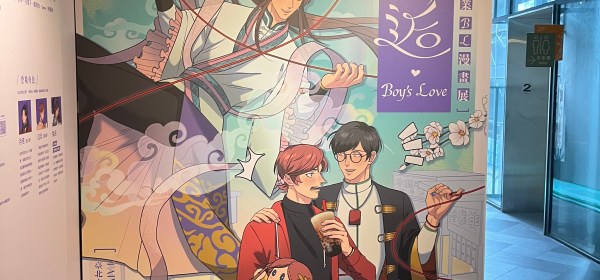
Written by Yun-Pu Tu. This article reflects on the “Otherwise Literature: Against the Mainstream” panel, a collaboration between NATSA and the National Museum of Taiwan Literature, which explored how storytelling bridges cultures and challenges dominant narratives. Featuring writers and translators including Shawna Yang Ryan, Lya Shaffer Osborn, and Yung-ta Chien, the event highlighted the power of words and storytelling to connect communities and imagine Taiwan otherwise.

1 2 3 4 55