The Disinformation Chorus: How Taiwanese TV Talk Shows Push Chinese Propaganda 

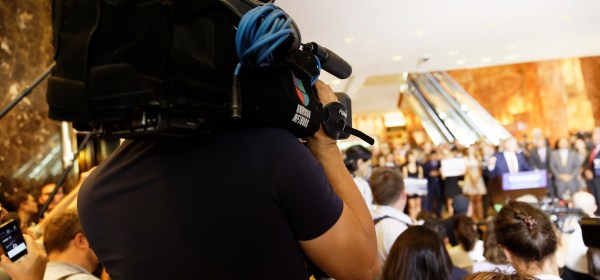
Written by Wei-Ping Li. Taiwan’s political TV talk shows are a contested space in the fight against Chinese disinformation, with some hosts and guests spreading false information and AI tools being used to alter content and disseminate pro-China propaganda. To combat this, Taiwanese media must enforce stricter self-discipline, enhance collaboration with fact-checkers and researchers, and improve public awareness of disinformation’s effects.

Words of Influence: PRC terms and Taiwanese identity 

Written by Karen Huang. This article explores the growing use of PRC terms in Taiwan Mandarin and the social reactions to this trend. While some Taiwanese view this trend as a natural result of language contact, others perceive these terms as a form of cultural invasion. The debate among Taiwanese netizens reflects broader concerns about cultural identity, political influence from China, and the implications for younger generations in Taiwan.

On the Road:  A Taiwan Literary Scholar’s Routes’ of Worlding Taiwan Literature 

Written by Wei-ting Liou. This article focuses on the author’s experiences in “worlding” Taiwan literature through their academic work. This includes engaging with translation, examining Taiwanese American literature, and teaching English-taught courses on Taiwan literature and culture. The author believes these approaches can help reshape the conventional understanding of Taiwan literary studies.

Lolita Reimagined: Fang Si-Chi’s Voice in the Story of Sexual Violence

Written by Yixin Xu. This article argues that the novel Fang Si-Chi’s First Love Paradise can be considered a significant contribution to the #MeToo movement and a literary counterpoint to Vladimir Nabokov’s Lolita. It highlights the novel’s unique perspective by focusing on the victim’s experience of sexual abuse and the complexities of her emotional response. The author emphasises how the novel challenges the romanticized portrayal of the predator in Lolita and exposes the devastating reality of sexual violence.

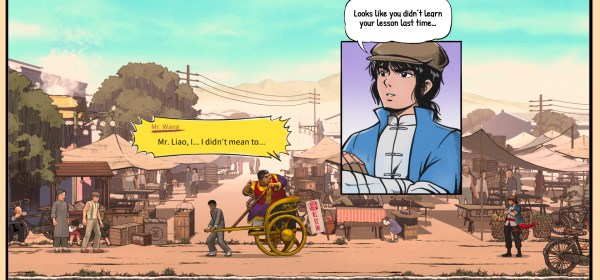
Fists of Identity: How Martial Arts Reflect the Complex Ties Between Taiwan and China

Written by Mark Gerard Murphy. This article reflects on the intersection of Chinese martial arts and nationalism in both Taiwan and Mainland China. It demonstrates how martial arts were closely tied to nationalist sentiments in different periods of history of both, but each followed distinct paths of development that reflected their respective cultural pride and national identity.

“Chinese Taipei” or “Team Taiwan”? Exploring Sport and National Identity in Contemporary Taiwan

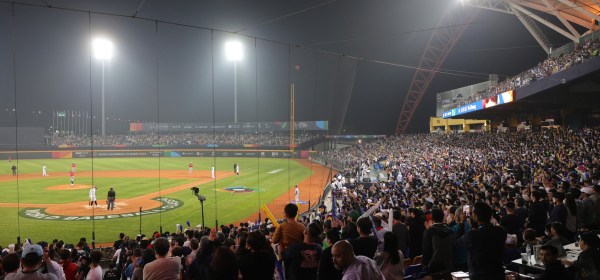
Written by Daniel Yu-Kuei Sun. This article explores the usage of two terms representing Taiwan’s national team, “Team Chinese Taipei” or “Team Chunghwa” and “Team Taiwan”. It observes a gradual shift in traditional media outlets and social media platforms to use the latter. This identity was best articulate in baseball as it is a uniquely Taiwanese sport with marginal presence in Mainland China.

Olympics Continue to Serve as a Stand-in for Identity Contestation

Written by Brian Hioe. This article explores the way in which the Olympics served as a stand-in for contestation about national identity in Taiwan. It compares the 2024 Olympics in Paris with previous Olympics, in response to the national referendum in 2018 on the name of Taiwan’s Olympic team and growing support for the status quo and progressive political values among young people.

Political Implication of Olympic Formula for Taiwanese Spectators in the Stands

Written by Junwei Yu. This article highlights the political implication of the Olympic Formula of Chinese Taipei for Taiwanese spectators in the stand. The IOC regulations for spectators are relatively vague and that allow different handling of Taiwanese fans in various Olympics and sports events. This article reviews these incidents amidst increasingly assertive Taiwanese identity.

Taiwan in the Olympics: From ROC to Chinese Taipei

Written by Marcus P. Chu. This article reviews Taiwan’s journey of participation in the Olympics, from the representation of the ROC to Chinese Taipei. It highlights the Nagoya Resolution and Lausanne Agreement as fundamental to Taiwan’s participation. Such a formula is challenged by recent ongoing demands for name rectification, which raises questions about Taiwan’s future in the Olympics.

1 7 8 9 10 11 55