Professional Sports in Taiwan: Business Structure and Co-governance Mismatch in Technology 

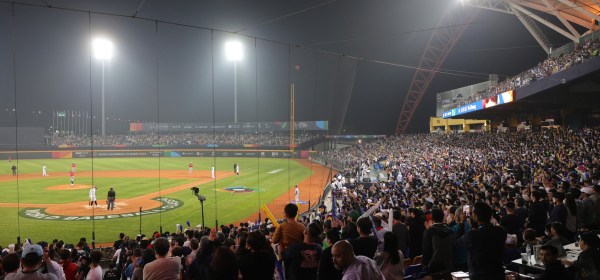
Written by Yi-Yen Lim, Jui-Jan Chan and Chan-Yuan Wong. This article analyses the challenges and opportunities facing professional sports in Taiwan. Unlike Western models, Taiwanese teams heavily rely on corporate sponsorships and government support, leading to a mismatch between technology push and industry demand. The authors argue that granting more autonomy to teams and fans in technology adoption could foster a more independent and vibrant sports culture. The article focuses on the case of the Uni-Lions baseball team, highlighting its unique business structure and sustainability challenges.
Fists of Identity: How Martial Arts Reflect the Complex Ties Between Taiwan and China

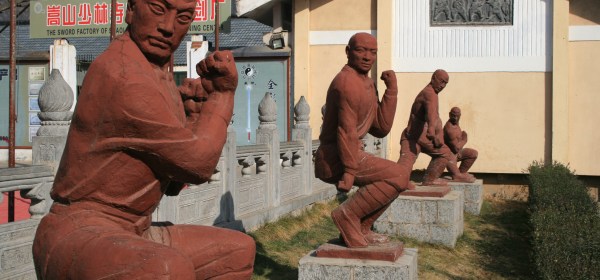
Written by Mark Gerard Murphy. This article reflects on the intersection of Chinese martial arts and nationalism in both Taiwan and Mainland China. It demonstrates how martial arts were closely tied to nationalist sentiments in different periods of history of both, but each followed distinct paths of development that reflected their respective cultural pride and national identity.

“Chinese Taipei” or “Team Taiwan”? Exploring Sport and National Identity in Contemporary Taiwan

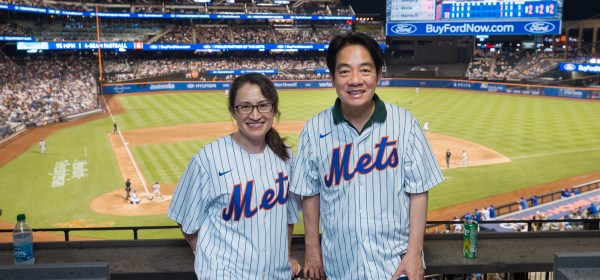
Written by Daniel Yu-Kuei Sun. This article explores the usage of two terms representing Taiwan’s national team, “Team Chinese Taipei” or “Team Chunghwa” and “Team Taiwan”. It observes a gradual shift in traditional media outlets and social media platforms to use the latter. This identity was best articulate in baseball as it is a uniquely Taiwanese sport with marginal presence in Mainland China.

Olympics Continue to Serve as a Stand-in for Identity Contestation

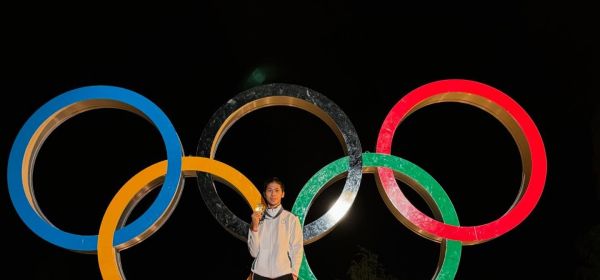
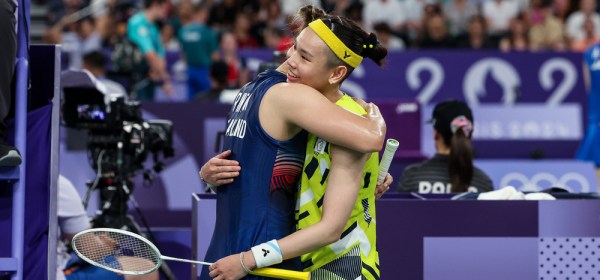
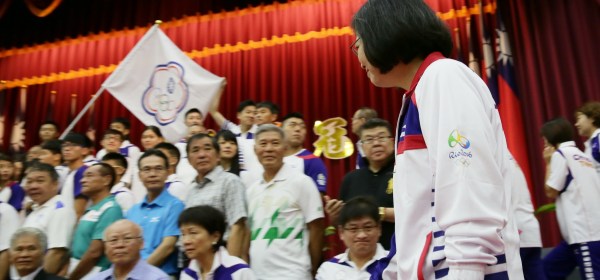
Written by Brian Hioe. This article explores the way in which the Olympics served as a stand-in for contestation about national identity in Taiwan. It compares the 2024 Olympics in Paris with previous Olympics, in response to the national referendum in 2018 on the name of Taiwan’s Olympic team and growing support for the status quo and progressive political values among young people.

Political Implication of Olympic Formula for Taiwanese Spectators in the Stands

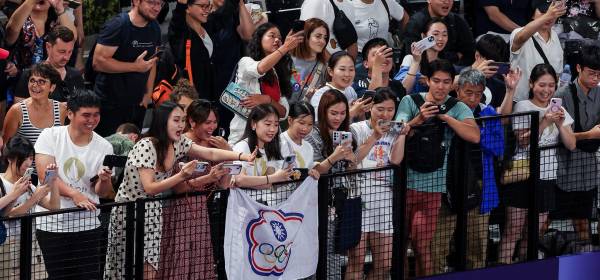
Written by Junwei Yu. This article highlights the political implication of the Olympic Formula of Chinese Taipei for Taiwanese spectators in the stand. The IOC regulations for spectators are relatively vague and that allow different handling of Taiwanese fans in various Olympics and sports events. This article reviews these incidents amidst increasingly assertive Taiwanese identity.

Taiwan in the Olympics: From ROC to Chinese Taipei

Written by Marcus P. Chu. This article reviews Taiwan’s journey of participation in the Olympics, from the representation of the ROC to Chinese Taipei. It highlights the Nagoya Resolution and Lausanne Agreement as fundamental to Taiwan’s participation. Such a formula is challenged by recent ongoing demands for name rectification, which raises questions about Taiwan’s future in the Olympics.

Pigeon Racing and Pigeon Racers: skills, strategy, ethics

Written by Ya-Chign Huang. Pigeon racing is a historically national sport in Belgium and the Netherlands, the main export countries of racing pigeons for Taiwanese fanciers. While pigeon racing is usually described as the working-class horserace in the United Kingdom, Taiwanese pigeon racing draws participants from all walks of life, including farmers, vendors, civil servants, blue and white-collar workers, and business owners. Pigeons were a common playmate for older participants’ childhood in the 1950s to 1970s when the races were institutionalized.

Enhancing Physical Activity Levels through Government-led Sports Promotion for Children: A Taiwanese Case

Written by Yu-Ling Chen and Ren-Shiang Jiang. Although the term “physical activity” has been recently introduced to Taiwan in the last decade, the policies of exercise and sports promotion have existed for a long time. While competitive youth sports remain relatively stable in Taiwan, the message from the government is clear: sport and exercise cannot just be an activity for elite athletes, but everyone living in Taiwan.

Sport as a Marker of National Identity in Taiwan

Written by Gerald R. Gems. Given the politics of state-building in Asia over the last half-century, and the continuing contentious debate over Taiwanese sovereignty, sport has played (and continues to play) a significant role in the creation and perpetuation of a national identity. Japan occupied Taiwan from 1895 to 1945 as compensation after its victory over China in the war of 1895. Baseball, an American sport, had taken hold in Japan by that time, and the Japanese introduced the game to Taiwan. In time, it became the most popular spectator sport in Taiwan.